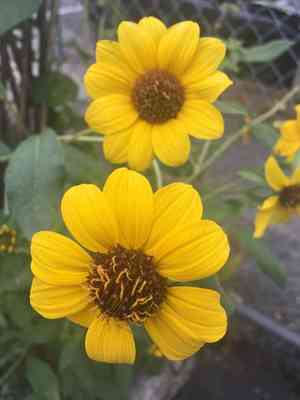
Prairie Sunflower (Helianthus petiolaris)
Also known as: Kansas Sunflower, Plains Sunflower, Annual Sunflower
Prairie Sunflower (Helianthus petiolaris) flourishes in sunny, open, and grassy environments and does not tolerate shaded areas. It blooms from summer to fall, and its seeds are edible. Originally native to the Western United States, it has gradually spread eastward.
In This Article
Attributes of Prairie Sunflower
Lifespan
Annual
Plant Type
Herb
Plant Height
40 cm to 2 m
Spread
30 cm to 90 cm
Leaf Color
Green
Flower Size
1 cm to 2.5 cm
Flower Color
Yellow Brown Black
Images of Prairie Sunflower
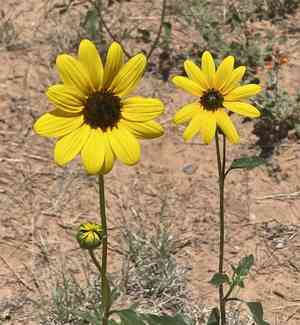

Quickly Identify Prairie Sunflower
1
Helianthus petiolaris can be identified by its tall, upright growth habit, narrow leaves, and bright yellow sunflower-like blooms. Look for its hairy stem and linear to lance-shaped leaves.
Scientific Classification of Prairie Sunflower
Phylum
Vascular plants
Class
Dicotyledons
Order
Asterales
Family
Daisy
Genus
Sunflowers
Species
Prairie Sunflower
Planting and Growing of Prairie Sunflower
Care Difficulty
Easy
Watering Schedule
Every 4 days
Sunlight Requirements
Full sun
Sunshine Duration
4-8 hours
Ideal Temperature
68-86℉
Soil Type
Potting Mix, Peat Mix
Soil pH
6.5-7.5
Fertilizer Type
Balanced
Pruning Season
Spring, Summer
Pruning Area
Branches, Leaves
Pruning Frequency
2 times a year
Repotting Season
Spring
Pot Type
Plastic, Ceramic
 How to Water Prairie Sunflower?
For Helianthus petiolaris, it's best to thoroughly soak the soil until water drains from the bottom of the pot—around 500 ml per watering. This ensures the roots receive adequate moisture without becoming waterlogged.
What are the symptoms of an underwatered Prairie Sunflower?
›
What should I do if my Prairie Sunflower is not getting enough water?
›
What are the symptoms of an overwatered Prairie Sunflower?
›
How to save an overwatered Prairie Sunflower?
›
 What Are the Sunlight Requirements for Prairie Sunflower?
Helianthus petiolaris prefers full sun, thriving under consistent daily exposure of 6 to 8 hours. Ideal light conditions enhance its vibrant flowering and robust growth, supporting good health and maximized photosynthesis efficiency.
More About Sunlight Requirements Techniques→
What is the ideal sunlight for Helianthus petiolaris?
›
How can I ensure Helianthus petiolaris receives perfect lighting?
›
What benefits does Helianthus petiolaris gain from ideal sunlight?
›
 What Is the Ideal Temperature Range for Prairie Sunflower?
For Helianthus petiolaris, the ideal growing temperature range is between 68°F and 86°F. This range provides the best conditions for optimal photosynthesis and nutrient uptake, promoting healthy growth and vibrant blooms. These temperatures closely mimic the plant's native habitat, ensuring it thrives and displays its full aesthetic potential.
 What Soil is Best for Prairie Sunflower?
Helianthus petiolaris thrives in well-drained soil, which helps prevent waterlogging. Adequate drainage allows roots to access oxygen, leading to robust plant growth and reducing the risk of root rot. This plant prefers soil with moderate nutrient content as it supports steady, natural growth. Too high nutrient levels may cause excessive foliage, while low nutrients stunt growth. Helianthus petiolaris grows best in slightly acidic to neutral soils, with a pH of 6.5 to 7.5, as this range is optimal for nutrient availability and root health.
 How to Fertilize Prairie Sunflower?
For Helianthus petiolaris, an ideal fertilization amount would be light to moderate due to its preference for well-draining soil and nutrient availability. Use approximately half the recommended amount of a balanced liquid fertilizer every two weeks during the growing season. Be cautious not to overload the soil with nutrients, as over-fertilization can harm sunflowers.
 How to Prune Prairie Sunflower?
Start by removing any dead or damaged stems. This encourages air circulation and reduces disease spread, increasing the plant's vitality. Trim stems to shape the plant according to your preferred aesthetic. Focus on maintaining a uniform look and removing any awkwardly protruding branches. Cut back the stems just above a leaf node or a flower bud to encourage new blooms and bushy growth in the growing season.
More About Pruning Techniques→
 How to Propagate Prairie Sunflower plant?
1
Choose healthy and mature seeds for propagation. Before sowing, soak the seeds in water for about 12 hours to soften the seed coat, improving germination rates. This step is crucial for ensuring successful seedling emergence.
2
Fill the seeding trays with potting soil, then sow the seeds about 1 inch deep. Maintain spacing to provide sufficient room for growth. It's vital to cover the seeds lightly with soil without packing it down too hard, allowing the seedlings to emerge easily.
3
Water the soil gently after sowing, ensuring that it is moist but not waterlogged. Consistent moisture levels are crucial; however, avoid overwatering as it can lead to seed rot and prevent proper germination.
 How to Repot Prairie Sunflower plant?
1
Helianthus petiolaris needs repotting when you see roots starting to emerge from the bottom drainage holes or when the plant appears to be root-bound. Another signal is the slowed or stunted plant growth, indicating that the root space is cramped and nutrients are insufficient.
2
Choose a pot that is 1-2 inches larger in diameter than the current one. Ensure it has adequate drainage holes to prevent waterlogging, which is crucial for maintaining healthy roots and preventing root rot in Helianthus petiolaris. The material should also be breathable, like terracotta, to allow soil aeration.
3
Opt for well-draining sandy soil, as Helianthus petiolaris thrives in soil that mimics its natural habitat. This prevents water retention, which could drown the plant roots. Incorporate organic matter to provide necessary nutrients and ensure the soil mix remains airy and light.
Learn More About Prairie Sunflower Diseases
Anthracnose
Bacterial Leaf Spot
Bacterial Soft Rot
Bacterial Wilt
Chemical Injury
Crown Gall
Cyst Nematode
Damping-off
Downy Mildew
Drought Stress
Fusarium Wilt
Gray Mold
Leaf Spot
Mosaic
Nutrient Deficiency
Nutrient Toxicity
Powdery Mildew
Root Rot
Root-knot Nematode
Rusts
Sooty Mold
Spider Mites
Temperature Stress
Thrips Damage
White Mold



