
Swollen sunflower (Helianthus mollis)
Also known as: Downy sunflower, Pale-leaved sunflower
The Prairie Coneflower, found extensively throughout the United States and Canada, can generate 1-15 flower heads per plant, each with 17-22 yellow ray florets. This plant is commonly utilized to boost forb diversity in conservation and restoration efforts. Additionally, it plays a role in soil erosion prevention.
In This Article
Attributes of Swollen sunflower
Lifespan
Perennial
Plant Type
Herb
Plant Height
61 cm to 1.2 m
Spread
30 cm to 90 cm
Leaf Color
Green
Flower Size
2.5 cm to 5 cm
Flower Color
Yellow Brown
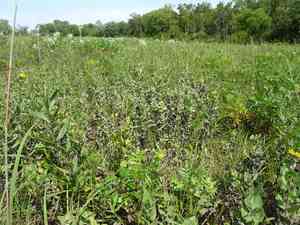
Images of Swollen sunflower



Quickly Identify Swollen sunflower
1
Helianthus mollis can be identified by its soft, hairy stems and leaves, bright yellow sunflower-like blooms, and a height typically ranging from 3 to 5 feet.
Scientific Classification of Swollen sunflower
Phylum
Vascular plants
Class
Dicotyledons
Order
Asterales
Family
Daisy
Genus
Sunflowers
Species
Swollen sunflower
Planting and Growing of Swollen sunflower
Care Difficulty
Easy
Watering Schedule
Every 2 days
Sunlight Requirements
Full sun
Sunshine Duration
4-8 hours
Ideal Temperature
70-80℉
Soil Type
Potting Mix, Peat Mix
Soil pH
6.5-7.5
Fertilizer Type
Balanced
Pruning Season
Spring, Summer
Pruning Area
Branches, Leaves
Pruning Frequency
2 times a year
Repotting Season
Spring
Pot Type
Plastic, Terracotta
 How to Water Swollen sunflower?
Helianthus mollis appreciates a good soak, but it’s crucial that the soil is well-draining. Water with about 500ml each time, enough to moisten the soil thoroughly without it becoming soggy. The idea is to ensure the roots get ample moisture by deeply watering, allowing the water to reach the lower parts of the root system.
What are the symptoms of an underwatered Swollen sunflower?
›
What should I do if my Swollen sunflower is not getting enough water?
›
What are the symptoms of an overwatered Swollen sunflower?
›
How to save an overwatered Swollen sunflower?
›
 What Are the Sunlight Requirements for Swollen sunflower?
Helianthus mollis prefers full sun; receiving six to eight hours of sunlight helps it develop strong stems and vibrant flowers, promoting overall plant health and resilience to environmental stressors.
More About Sunlight Requirements Techniques→
What is the best lighting environment for Helianthus mollis?
›
How can I ensure Helianthus mollis gets its ideal lighting?
›
What benefits does ideal lighting bring to Helianthus mollis?
›
 What Is the Ideal Temperature Range for Swollen sunflower?
For optimal growth, Helianthus mollis prefers a temperature environment ranging from 70°F to 80°F. This range ensures efficient photosynthesis and metabolic processes, allowing the plant to thrive. Maintaining this temperature helps in achieving maximum flowering potential and overall plant health.
 What Soil is Best for Swollen sunflower?
Helianthus mollis requires well-drained soil to prevent waterlogging, which can lead to root rot. A well-draining soil ensures that excess water flows away, giving roots access to oxygen and preventing fungal diseases. Rich organic content in the soil boosts growth by providing essential nutrients. Adding compost or well-rotted manure can enhance the soil's nutrient profile, promoting healthy and robust growth of Helianthus mollis. While the soil must drain well, it should also retain enough moisture to sustain the plant during dry spells. Loam and sandy loam strike a good balance, keeping roots hydrated without drowning them.
 How to Fertilize Swollen sunflower?
For Helianthus mollis, it's crucial to apply a balanced dose of fertilizer to avoid any nutritional imbalances. Typically, use about 1 tablespoon of 10-10-10 liquid fertilizer diluted in 1 gallon of water. When applying granular or slow-release fertilizers, aim for approximately 3 ounces per plant annually.
 How to Prune Swollen sunflower?
Start by examining the overall structure of Helianthus mollis. Identify any dead, diseased, or weak stems and plan to remove them first. This helps to promote healthy growth and encourages stronger blooms. For best results, always use sharp and clean pruning shears. Dull blades can damage the plant tissue, leading to infection or poor healing. Clean tools prevent the spread of disease between plants. When pruning, make your cuts just above a leaf node or bud facing the desired direction of growth. This technique encourages the plant to redirect its energy to healthy, productive parts, boosting overall vigor.
More About Pruning Techniques→
 How to Propagate Swollen sunflower plant?
1
Begin by thoroughly cleaning the seeds to remove any debris or remnants of the pod. This ensures that the seeds have the best chance at germination by reducing potential contamination.
2
Choose healthy, non-flowering stems from the mother plant. Make sure each cutting is about 4-6 inches long and has at least a couple of leaves. Cut precisely with your pruning shears.
3
Gently uproot the plant and shake off excess soil. Use a sharp knife or spade to divide the clump into smaller sections, ensuring each section has roots attached for successful replanting.
 How to Repot Swollen sunflower plant?
1
Repotting Helianthus mollis becomes necessary when roots outgrow their container, visible through drainage holes or emerging on the soil surface. Additionally, if water drains too quickly, it's a sign the current pot is no longer suitable. Spring or early summer is the perfect time to repot as plants are actively growing, which helps them recover quickly from the process.
2
Select a pot that is one to two inches larger in diameter than the current one. This ensures enough space for root growth without leading to excessive soil, which can hold too much moisture. A pot with drainage holes is crucial to prevent waterlogging, which could cause root rot—a common issue for Helianthus mollis.
3
For Helianthus mollis, a well-draining sandy loam is ideal. This type of soil allows excess water to drain away, preventing the roots from standing in water, which can cause rot. Sandy loam also provides adequate aeration, essential for healthy root growth.
Learn More About Swollen sunflower Diseases
Anthracnose
Bacterial Leaf Spot
Bacterial Wilt
Chemical Injury
Crown Gall
Cyst Nematode
Damping-off
Downy Mildew
Drought Stress
Fusarium Wilt
Gray Mold
Leaf Curl
Leaf Spot
Mosaic
Nutrient Deficiency
Nutrient Toxicity
Powdery Mildew
Root Rot
Root-knot Nematode
Rusts
Sooty Mold
Spider Mites
Temperature Stress
Thrips Damage
White Mold



