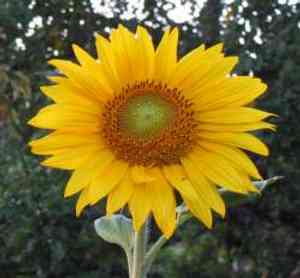
Small woodland sunflower (Helianthus microcephalus)
Also known as: Small-headed sunflower
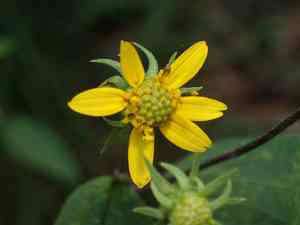
Helianthus microcephalus, commonly referred to as small woodland sunflower, small-wood sunflower, or small-head sunflower, is a perennial Helianthus species. Native to North America, this plant typically thrives in open woodland environments.
In This Article
Attributes of Small woodland sunflower
Lifespan
Perennial
Plant Type
Herb
Plant Height
1.2 m to 1.8 m
Spread
60 cm to 90 cm
Leaf Color
Green
Flower Size
2.5 cm to 8 cm
Flower Color
Bright yellow
Images of Small woodland sunflower
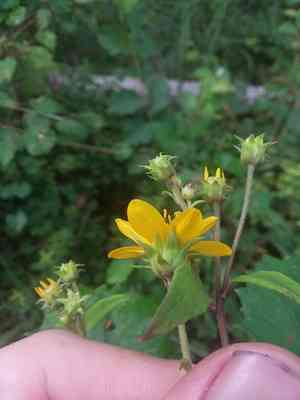
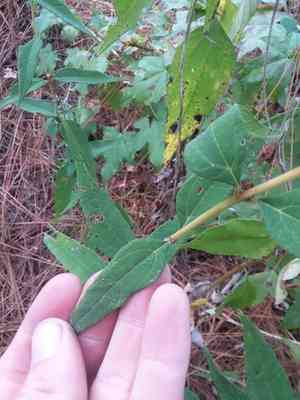
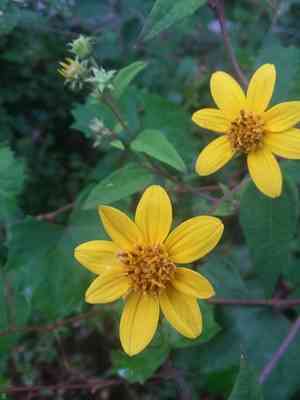
Quickly Identify Small woodland sunflower
1
Tall height: 4-6 feet (1.2-1.8 meters), width: 2-4 feet (60-120 cm)
2
Vibrant yellow flowers with 5-7 ray florets and yellow disk center
3
Achenes as small, oblong fruits in clusters, 0.1-0.2 inches (2.5-5 mm)
4
Lance-shaped leaves, scabrous upper surface, resin dots, 3-6 inches (7.6-15.2 cm)
5
Smooth stem, reddish-green, 0.2-0.6 inches (0.5-1.5 cm) diameter, up to 5 feet (1.5 meters) tall
Scientific Classification of Small woodland sunflower
Phylum
Vascular plants
Class
Dicotyledons
Order
Asterales
Family
Daisy
Genus
Sunflowers
Species
Small woodland sunflower
Planting and Growing of Small woodland sunflower
Care Difficulty
Easy
Watering Schedule
Every 4 days
Sunlight Requirements
Full sun
Sunshine Duration
4-8 hours
Ideal Temperature
60-75℉
Soil Type
Potting Mix, Peat Mix
Soil pH
6.5-7.5
Fertilizer Type
Balanced
Pruning Season
Spring, Summer
Pruning Area
Branches, Leaves
Pruning Frequency
2 times a year
Repotting Season
Spring
Pot Type
Plastic, Ceramic
 How to Water Small woodland sunflower?
For Helianthus microcephalus, the watering amount should ensure that the soil is consistently moist but not waterlogged. Each watering should involve approximately 500 ml of water, slowly pouring until the water begins to seep out of the drainage holes, ensuring even distribution. This ensures the roots receive adequate moisture without the risk of standing water which can lead to root rot.
What are the symptoms of an underwatered Small woodland sunflower?
›
What should I do if my Small woodland sunflower is not getting enough water?
›
What are the symptoms of an overwatered Small woodland sunflower?
›
How to save an overwatered Small woodland sunflower?
›
 What Are the Sunlight Requirements for Small woodland sunflower?
This plant ideally requires full or partial sun exposure, with 6 to 8 hours being most beneficial. Adequate sunlight promotes vigorous growth, vibrant blooms, and enhances the plant's natural resilience against pests and diseases.
Optimal Sunlight Exposure
›
Seasonal Light Adjustment
›
Utilizing Shade Options
›
 What Is the Ideal Temperature Range for Small woodland sunflower?
The ideal temperature range for Helianthus microcephalus is between 60°F and 75°F. This range allows for optimal growth and development, ensuring the plant remains healthy and productive. Within this temperature, the enzymatic processes and metabolic activities in the plant reach their peak efficiency, enabling it to absorb nutrients properly and exhibit robust flowering.
 What Soil is Best for Small woodland sunflower?
For Helianthus microcephalus, ensuring good drainage is crucial. This plant thrives in soils that allow excess water to escape quickly, preventing root rot and supporting healthy root development. A loamy soil rich in organic matter provides the necessary nutrients for robust growth of Helianthus microcephalus. It enhances the plant's ability to produce vibrant blooms and maintain strong stems. The plant prefers soil that retains some moisture but is not consistently wet. Ensuring moderate moisture helps in sustaining overall plant health and prevents wilting during dry spells.
 How to Fertilize Small woodland sunflower?
For Helianthus microcephalus, an appropriate fertilizing regimen is crucial for optimal growth. Use approximately 1 tablespoon per gallon of water when applying liquid fertilizer. For solid fertilizer, a balanced approach using approximately 1/4 cup per plant per application is recommended. Careful attention to the manufacturer's instructions can help avoid nutrient imbalances.
 How to Prune Small woodland sunflower?
Start by removing spent flowers to redirect energy to new growth and blooms. Cut back the flower stems just above the leaves or branching points to encourage further flowering and maintain tidiness. Identify any leggy, overgrown stems and cut them back by up to one-third. This promotes bushier growth, preventing the plant from becoming top-heavy and encouraging a denser appearance. After handling major cuts, trim the plant to maintain desired shape. Remove any misaligned or tangled stems to keep the plant looking neat. Regular cleaning also helps in spotting early signs of disease or pest issues.
 How to Propagate Small woodland sunflower plant?
1
Begin by filling a seedling tray with a well-draining potting mix. Sow the seeds about 1/4 inch deep and water gently to keep the soil moist. Place the tray in a warm, sunny location to ensure successful germination.
2
Select a healthy 4-6 inch stem from a mature plant. Use pruning shears to make a clean cut just below a node. Remove the lower leaves and dip the stem in rooting hormone before planting it in moist soil.
3
Carefully dig up the plant and gently separate the root clumps. Ensure each division has ample roots attached. Replant the divisions into prepared soil beds and water thoroughly to help them establish.
 How to Repot Small woodland sunflower plant?
1
Look for signs like roots overwhelming the pot or peeking out of drainage holes, and soil that is drying out too quickly even after watering. These indicate it's time for a new home.
2
Select a pot that's 1-2 inches larger in diameter than the current one. Ensure it has adequate drainage holes to prevent waterlogging, which helps in maintaining a healthy root system.
3
Use well-draining potting mix with organic matter like compost. This mix allows roots to breathe and grow, while also retaining necessary moisture and nutrients efficiently.
Learn More About Small woodland sunflower Diseases
Anthracnose
Bacterial Leaf Spot
Bacterial Wilt
Crown Gall
Cyst Nematode
Damping-off
Downy Mildew
Drought Stress
Fusarium Wilt
Gray Mold
Leaf Spot
Mosaic
Nutrient Deficiency
Nutrient Toxicity
Powdery Mildew
Root Rot
Root-knot Nematode
Rusts
Sooty Mold
Spider Mites
Temperature Stress
Thrips Damage
White Mold



