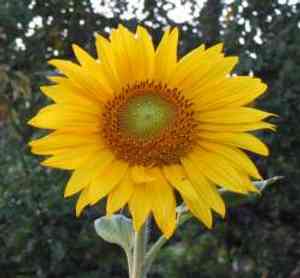
Woodland sunflower (Helianthus divaricatus)
Also known as: Rough sunflower
The Woodland sunflower (Helianthus divaricatus) is a hardy perennial known for its vibrant yellow blooms. It flourishes in part sun to full sun and can spread via creeping rhizomes and seeds, sometimes becoming invasive. This sunflower provides a valuable food source for wild birds.
In This Article
Attributes of Woodland sunflower
Lifespan
Perennial
Plant Type
Herb
Plant Height
1.5 m
Spread
30 cm to 90 cm
Leaf Color
Green
Flower Size
5 cm
Flower Color
Yellow
Images of Woodland sunflower
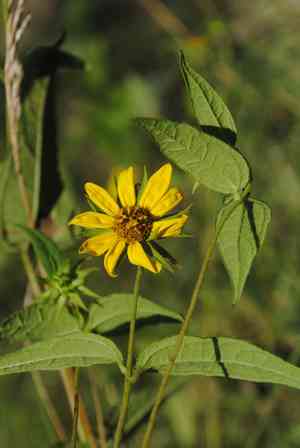
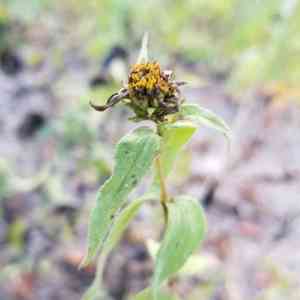
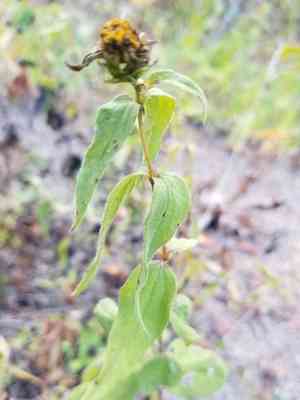
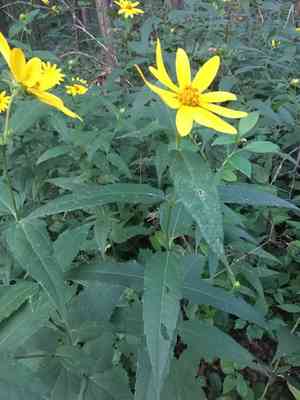
Quickly Identify Woodland sunflower
1
Stately height of 5-7 feet (1.5-2.1 meters)
2
Large, bright yellow flowers blooming from early summer to early fall
3
Opposite leaves with smooth to slightly toothed margins
4
Upper leaf surface green, underside hairy
5
Rough, light green to reddish stem with branching pattern
Scientific Classification of Woodland sunflower
Phylum
Vascular plants
Class
Dicotyledons
Order
Asterales
Family
Daisy
Genus
Sunflowers
Species
Woodland sunflower
Planting and Growing of Woodland sunflower
Care Difficulty
Easy
Watering Schedule
Every 2 days
Sunlight Requirements
Full sun
Sunshine Duration
4-8 hours
Ideal Temperature
60-75℉
Soil Type
Potting Mix, Peat Mix
Soil pH
6.5-7.5
Fertilizer Type
Balanced
Pruning Season
Spring, Summer
Pruning Area
Branches, Leaves
Pruning Frequency
2 times a year
Repotting Season
Spring
Pot Type
Plastic, Ceramic
 How to Water Woodland sunflower?
For Helianthus divaricatus, it's essential to water deeply but infrequently. Ensure that the water reaches the roots by soaking the soil until it's moist to about a depth of 6 inches, which requires approximately 250 milliliters each session. Allow the soil to dry out between watering sessions to promote root health.
What are the symptoms of an underwatered Woodland sunflower?
›
What should I do if my Woodland sunflower is not getting enough water?
›
What are the symptoms of an overwatered Woodland sunflower?
›
How to save an overwatered Woodland sunflower?
›
 What Are the Sunlight Requirements for Woodland sunflower?
Helianthus divaricatus is best suited for full to partial sun environments, optimally receiving 6-8 hours of direct sunlight each day. This range ensures strong growth, vibrant blooms, and a robust structure, maximizing the plant's ornamental and ecological benefits.
What is the preferred light condition for Helianthus divaricatus?
›
How can I ensure optimal light conditions?
›
What benefits does optimal sunlight bring to the plant?
›
 What Is the Ideal Temperature Range for Woodland sunflower?
The ideal temperature range for Helianthus divaricatus is between 60°F and 75°F. This range provides the optimal balance for the plant's physiological processes, such as photosynthesis and transpiration, allowing it to grow healthily. Maintaining these temperatures helps in preventing stress and diseases.
 What Soil is Best for Woodland sunflower?
Helianthus divaricatus thrives in well-draining soils, as it helps prevent root rot by allowing excess water to escape. This ensures the plant remains healthy and vigorous throughout its growing season. While not overly fussy, this sunflower prefers soils that are rich in organic matter, providing the necessary nutrients for robust growth and vibrant blossoms. Compost or well-rotted manure can enhance soil fertility. The plant grows best in soils with a pH range of 6.5 to 7.5, where nutrients are most accessible. This balance allows for optimal absorption and utilization of available soil nutrients, promoting lush foliage and flower production.
 How to Fertilize Woodland sunflower?
For Helianthus divaricatus, it's crucial to avoid excessive fertilization. Generally, use a balanced 10-10-10 liquid fertilizer at half strength, about 1 tablespoon per gallon of water.
 How to Prune Woodland sunflower?
Begin by identifying the main stem and side branches of the plant. Determine where pruning can be most effective: remove any dead or damaged stems that can hinder the plant's vigor. Focus on areas where growth seems too dense, allowing for better air circulation and light penetration. Start by cutting back the stems to a pair of new buds. Make clean cuts at a 45-degree angle above a leaf node to encourage new, healthy shoots to emerge. Ensure that the cuts are sharp and precise to promote proper healing and minimize stress to the plant.
 How to Propagate Woodland sunflower plant?
1
To propagate via seeds, collect healthy, mature seeds from the flower heads after they dry out. This usually happens in late summer or early autumn. Store them in a cool, dry place until ready for planting.
2
Prepare a well-draining soil mix. Enrich it with organic matter such as compost to enhance fertility, making it suitable for both seed and root propagation.
3
Optimally in late spring or early summer, plant seeds or root cuttings at appropriate depth (about twice the size of the root ball) while ensuring good spacing for growth.
 How to Repot Woodland sunflower plant?
1
Helianthus divaricatus often signals the need for repotting when it becomes root-bound or stops growing. Look for roots protruding from drainage holes or when growth appears stunted. This hardy plant thrives in fresh soil that provides ample nutrients and space for root expansion, making spring or early summer the optimal time to refresh its habitat.
2
Opt for a pot that is only slightly larger than the current one—about 2-3 inches more in diameter. This encourages healthy growth while preventing waterlogging. Choose containers with adequate drainage to avoid soggy soil, which can be detrimental to root health and lead to rot.
3
Select a well-draining sandy soil mixture to mimic its natural environment. This type of soil prevents excess moisture retention, which can cause root rot, while providing enough support and aeration for the roots. Quality potting mixes with organic matter can boost nutrient content.
Toxicity
None
WARNING
The judgment on toxicity and danger is for reference only. We DO NOT GUARANTEE any accuracy of such judgment. Therefore, you SHALL NOT rely on such judgment. It is IMPORTANT TO SEEK PROFESSIONAL ADVICE in advance when necessary.
Learn More About Woodland sunflower Diseases
Anthracnose
Bacterial Leaf Spot
Bacterial Wilt
Crown Gall
Cyst Nematode
Damping-off
Downy Mildew
Drought Stress
Fusarium Wilt
Gray Mold
Leaf Spot
Mosaic
Nutrient Deficiency
Nutrient Toxicity
Powdery Mildew
Root Rot
Root-knot Nematode
Rusts
Sooty Mold
Spider Mites
Temperature Stress
Thrips Damage
White Mold



