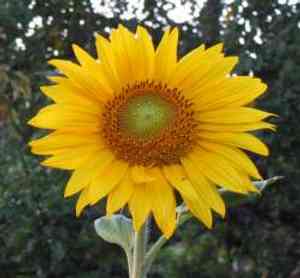
Mt. diablo helianthella (Helianthella castanea)
Also known as: Diablo Helianthella
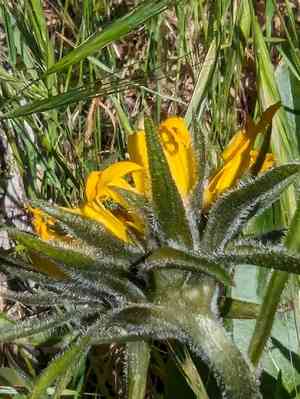
Helianthella castanea, known as Mount Diablo helianthella, is a perennial herb that can reach up to 50 cm (20 inches) in height. It features lance-shaped leaves, primarily located at the base, which can grow up to 15 cm (6 inches) in length. The plant typically produces a single, bright yellow flower head per stem, consisting of both central disk florets and surrounding ray florets. Blooming occurs from March to June, and it thrives on rocky slopes in chaparral, woodlands, and coastal scrub habitats, mainly around Mount Diablo in California.
In This Article
Attributes of Mt. diablo helianthella
Lifespan
Perennial
Plant Type
Herb
Plant Height
1 to 2 feet
Spread
Not applicable for herbaceous plants; spread is generally about 6 to 12 inches
Leaf Color
Green
Flower Size
1 to 2 inches
Flower Color
Yellow
Images of Mt. diablo helianthella
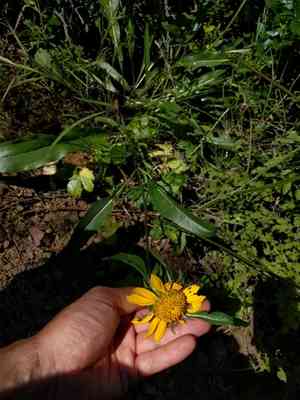
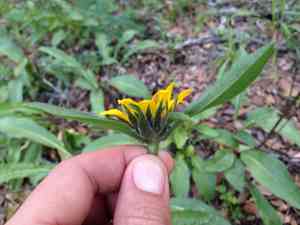
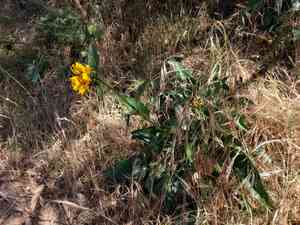
Quickly Identify Mt. diablo helianthella
1
Helianthella castanea can be identified by its yellow ray flowers and the bright yellow disc flowers that form a distinct central disc. The leaves are elliptical and hairless, with a tendency to be clustered at the base.
Scientific Classification of Mt. diablo helianthella
Phylum
Vascular plants
Class
Dicotyledons
Order
Asterales
Family
Daisy
Genus
Little sunflower
Species
Mt. diablo helianthella
Planting and Growing of Mt. diablo helianthella
Care Difficulty
Moderate
Watering Schedule
Every 2 days
Sunlight Requirements
Full sun
Sunshine Duration
6-12 hours
Ideal Temperature
60-75℉
Soil Type
Potting Mix, Peat Mix
Soil pH
6.5-7.5
Fertilizer Type
Balanced
Pruning Season
Spring, Summer
Pruning Area
Branches, Leaves
Pruning Frequency
2 times a year
Repotting Season
Spring
Pot Type
Plastic, Ceramic
 How to Water Mt. diablo helianthella?
Helianthella castanea requires a watering approach that ensures the soil remains slightly moist but never waterlogged. This plant prefers about 250 ml of water each time, enough to saturate the root zone without leaving excess water standing in the pot. The key is to water until you see a small amount of water escaping from the drainage holes, indicating the entire root system has received moisture.
What are the symptoms of an underwatered Mt. diablo helianthella?
›
What should I do if my Mt. diablo helianthella is not getting enough water?
›
What are the symptoms of an overwatered Mt. diablo helianthella?
›
How to save an overwatered Mt. diablo helianthella?
›
 What Are the Sunlight Requirements for Mt. diablo helianthella?
Helianthella castanea thrives in full sun to partial sun conditions, benefiting from direct light that stimulates rich blooms and maintains robust growth with minimal risk of disease or pest issues.
What is the ideal amount of light?
›
How can I provide the ideal lighting?
›
What are the benefits of optimal lighting?
›
 What Is the Ideal Temperature Range for Mt. diablo helianthella?
The ideal temperature range for Helianthella castanea is between 60°F and 75°F. This range ensures optimal growth and health of the plant by providing the conditions necessary for photosynthesis and other vital metabolic processes. Consistently maintaining temperatures within this range helps to support robust development and flowering.
 What Soil is Best for Mt. diablo helianthella?
Helianthella castanea thrives best in well-drained soils that prevent water from pooling around its roots. This condition mimics its natural, rocky habitat and helps prevent root rot, promoting overall plant health and robustness. This plant benefits from soils rich in organic matter, which provide essential nutrients necessary for its growth and vibrant flowering. Ample nutrients encourage lush foliage and prolonged blooming periods. Helianthella castanea prefers moderate moisture levels, ensuring that the soil remains damp but not waterlogged. Consistent moisture supports its growth cycle without stressing the plant under extreme wet or dry conditions.
 How to Fertilize Mt. diablo helianthella?
For Helianthella castanea, a good rule of thumb is to use a balanced 10-10-10 fertilizer. For liquid fertilizers, you should dilute it to half strength—as recommended for most native perennials. Ensure each application of liquid fertilizer provides no more than 1/4 cup to avoid nutrient burn. If using a slow-release option, distribute about 1/2 cup per application evenly around the plant's base.
 How to Prune Mt. diablo helianthella?
Begin by inspecting the helianthella for any dead or decayed leaves or stems. Use sharp, clean scissors to trim back these parts. Remove any yellowing leaves to encourage new growth and direct the plant's energy to healthier parts. To foster bushier growth, trim back the plant's tips, focusing on the uppermost and longest stems. This will trigger the plant to produce side shoots, ultimately creating a fuller and more attractive appearance. After the flowering period, remove spent blooms to redirect the plant's energy towards developing strong roots and foliage. This practice can yield a more vibrant and abundant bloom in the next growing cycle.
More About Pruning Techniques→
 How to Propagate Mt. diablo helianthella plant?
1
Collect seeds from mature Helianthella castanea heads and allow them to dry completely. Store them in a cool, dry place until early spring when you are ready to sow them indoors or directly outdoors.
2
Prepare a well-draining soil mix, ideally rich in organic matter. Ensure the soil is moist but not waterlogged. It should be loose enough to support root growth while retaining enough moisture for germination.
3
In early spring, divide mature plants by carefully separating the rhizomes, ensuring each section has sufficient roots. Replant these divisions into prepared garden beds or pots, spacing them adequately.
 How to Repot Mt. diablo helianthella plant?
1
Helianthella castanea should be repotted when you notice roots growing out of the drainage holes, indicating that the plant is becoming root-bound. Alternatively, if the growth seems stunted or the soil doesn't retain moisture well, it's time for a change. Choosing the right season ensures minimal shock and maximum adaptation efficiency.
2
Select a pot that's one size larger than the current one, with sufficient drainage holes. Choosing the right pot size prevents waterlogging, which can lead to root rot, while a pot that's too large holds too much soil, which stays wet for too long, suffocating roots. The drainage holes keep your plant's roots from drowning.
3
Opt for a well-draining, nutrient-rich mix, ideally a combination of regular potting soil with added sand or perlite. This ensures that while the plant has adequate moisture retention, it isn't in danger of rotting from overly wet conditions. The nutrients in the soil will promote healthy root development and overall robust plant growth.
Learn More About Mt. diablo helianthella Diseases
Anthracnose
Bacterial Leaf Spot
Bacterial Wilt
Black Spot
Chemical Injury
Crown Gall
Cyst Nematode
Damping-off
Downy Mildew
Drought Stress
Fusarium Wilt
Gray Mold
Leaf Curl
Leaf Spot
Mosaic
Nutrient Deficiency
Nutrient Toxicity
Powdery Mildew
Root Rot
Root-knot Nematode
Rusts
Sooty Mold
Spider Mites
Temperature Stress
Thrips Damage
White Mold



