
Sneezeweed (Helenium autumnale)
Also known as: Swamp sunflower, Autumn sneezeweed
Goldenrod (Solidago spp.) is a perennial herb indigenous to North America. Each plant can yield up to 100 vibrant yellow flower heads during late summer and fall. This herb is well-known for attracting butterflies and various pollinators.
Attributes of Sneezeweed
Images of Sneezeweed

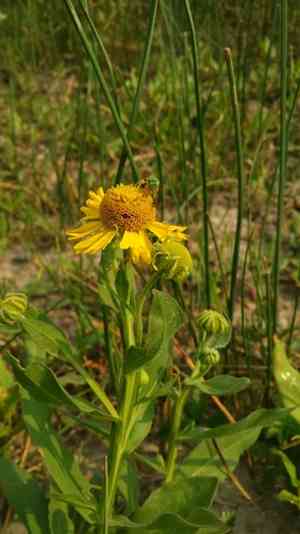

Quickly Identify Sneezeweed
Scientific Classification of Sneezeweed
Planting and Growing of Sneezeweed
 How to Water Sneezeweed?
 What Are the Sunlight Requirements for Sneezeweed?
 What Is the Ideal Temperature Range for Sneezeweed?
 What Soil is Best for Sneezeweed?
 How to Fertilize Sneezeweed?
 How to Prune Sneezeweed?
 How to Propagate Sneezeweed plant?
 How to Repot Sneezeweed plant?
Toxicity of Sneezeweed
Is Sneezeweed toxic to humans?
Sneezeweed is a poisonous plant that can trigger harmful reactions in humans who consume significant quantities of it. The symptoms can range from moderate to severe, and in some cases, they may even pose a life-threatening risk. All parts of the plant—flowers, seeds, and leaves—are toxic. Ingesting this plant may lead to symptoms such as abdominal pain, excessive salivation, fever, nausea, convulsions, and respiratory difficulties. Additionally, since some individuals could experience adverse effects from merely touching the plant, it is advisable to wear gloves when handling it. Commonly grown as an ornamental in gardens, this plant may be within reach of children who might inadvertently touch or consume it.
Is Sneezeweed toxic to cat?
Sneezeweed presents a moderate risk of toxicity to felines. Should a cat consume any portion of this plant—whether it be flowers, leaves, or seeds—it may result in poisoning. Exposure to sneezeweed could lead to symptoms that reflect physical distress or illness in the cat. Consequently, it is crucial for cat owners to ensure their pets do not have access to sneezeweed and to keep a close watch for any indications of health complications. If ingestion occurs, it is imperative to seek veterinary care promptly to address the poisoning efficiently.
Is Sneezeweed toxic to dog?
Sneezeweed presents a moderate risk of toxicity to dogs. Poisoning generally occurs when a dog consumes parts of the plant, particularly the flowers, leaves, or seeds. Following the ingestion of sneezeweed, dogs may display a range of symptoms that signal poisoning. It is essential for dog owners to keep a close eye on their pets and to seek prompt veterinary assistance if there is any suspicion that their dog has eaten any portion of sneezeweed. Timely intervention at a veterinary facility is vital for the health and welfare of the impacted animal.



