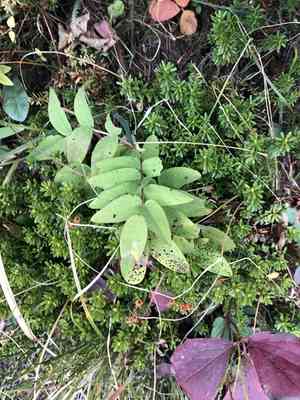
Sweetvetches (Hedysarum) (Hedysarum)
Also known as: Sainfoin, Sweetvetch
Desmodium is a genus within the Fabaceae family, comprising around 200 species of annual and perennial herbs found in regions such as Asia, Europe, North Africa, and North America. These plants feature odd-pinnate leaves with entire leaflets. Their flowers are arranged in peduncled racemes or heads, and the petals can be pink, purplish, yellow, or white. The fruit is a lomentum, which segments into single-seeded sections upon ripening and can be glabrous, pubescent, bristly, or spiny.
In This Article
Attributes of Sweetvetches (Hedysarum)
Lifespan
Perennial
Plant Height
30-150 cm
Spread
30-60 cm
Leaf Color
Green
Flower Size
1.5-2.5 cm
Flower Color
Pink, Purple
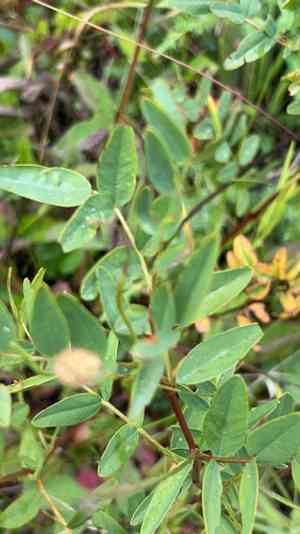
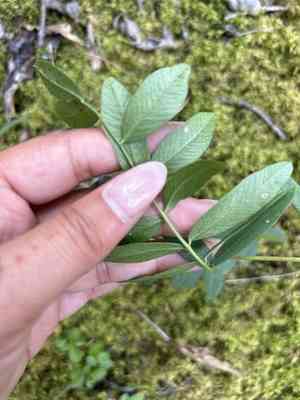
Images of Sweetvetches (Hedysarum)
Quickly Identify Sweetvetches (Hedysarum)
1
Hedysarum plants can be identified by their compound leaves, typically pinnate with multiple leaflets, and their often brightly colored, pea-like flowers that typically range from pink to purple. The seed pods are segmented and resemble a string of beads, which is a distinctive feature.
Scientific Classification of Sweetvetches (Hedysarum)
Phylum
Tracheophyta
Class
Magnoliopsida
Order
Fabales
Family
Fabaceae
Genus
Hedysarum
Planting and Growing of Sweetvetches (Hedysarum)
Care Difficulty
Moderate
Watering Schedule
Every 3 days
Sunlight Requirements
Full sun
Sunshine Duration
4-8 hours
Ideal Temperature
60-75℉
Soil Type
Potting Mix, Peat Mix
Soil pH
6.5-7.5
Fertilizer Type
Balanced
Pruning Season
Spring, Summer
Pruning Area
Branches, Leaves
Pruning Frequency
2 times a year
Repotting Season
Spring
Pot Type
Plastic, Ceramic
 How to Water Sweetvetches (Hedysarum)?
For Hedysarum, it's crucial to keep the soil consistently moist, yet not soggy. Aim for about 300 ml per watering session. Water until the top inch of soil is damp, ensuring it allows excess to drain freely.
What are the symptoms of an underwatered Sweetvetches (Hedysarum)?
›
What should I do if my Sweetvetches (Hedysarum) is not getting enough water?
›
What are the symptoms of an overwatered Sweetvetches (Hedysarum)?
›
How to save an overwatered Sweetvetches (Hedysarum)?
›
 What Are the Sunlight Requirements for Sweetvetches (Hedysarum)?
Hedysarum prefers full sun to partial sun exposure, meaning 6 to 8 hours of sunlight daily. Ideal lighting enhances its growth rate and flowering, contributing to a healthier, more visually appealing plant.
What is the optimal light condition for Hedysarum?
›
How can I achieve ideal lighting for Hedysarum?
›
What benefits does Hedysarum gain from optimal lighting?
›
 What Is the Ideal Temperature Range for Sweetvetches (Hedysarum)?
The ideal temperature range for growing Hedysarum is between 60°F and 75°F. This range ensures optimal growth and blooming, facilitating essential physiological processes. Outside of this range, the plant may experience slowed growth, but staying within it helps maintain vibrant foliage and healthy roots.
 What Soil is Best for Sweetvetches (Hedysarum)?
Hedysarum thrives in nutrient-rich soils, which can enhance its growth and flowering capabilities. Providing a mix of organic matter can aid in its development and overall health, ensuring vibrant foliage and blooms. This plant requires well-drained soil to prevent root rot. Ensuring proper drainage protects the roots, allowing them to intake nutrients effectively, thereby promoting a healthy growth cycle. Hedysarum benefits from a slightly alkaline to neutral pH, between 6.5 and 7.5. Maintaining this pH range ensures optimal nutrient availability and uptake, crucial for the plant's overall vigor.
 How to Fertilize Sweetvetches (Hedysarum)?
Hedysarum plants thrive with moderate fertilizers. Use a balanced liquid fertilizer diluted to half strength, about 15-20 ml per gallon, applied evenly around the plant base.
 How to Prune Sweetvetches (Hedysarum)?
Begin by examining the plant for any dead, diseased, or weak stems. Snip these close to the main branch. Next, trim back overgrown branches to maintain a balanced shape. Ensure you make clean cuts at a slight angle to allow water to run off, reducing disease risk. It's best to prune in the early morning or late afternoon to avoid the heat stress on freshly cut stems. This timing also allows the plant to heal during the cooler parts of the day. After pruning, provide the plant with adequate water and consider applying a light layer of mulch to protect the roots. This helps the plant recover and lessens the shock from pruning.
 How to Propagate Sweetvetches (Hedysarum) plant?
1
Use a well-draining potting mix enriched with organic matter. This provides the necessary nutrients and allows excess water to escape, reducing the risk of root rot.
2
Select healthy, mature stems for cutting propagation. Cut them at a 45-degree angle to increase the surface area for rooting, and remove leaves from the lower half of the cutting.
3
If using seeds, scatter them evenly on the prepared soil and lightly cover with a thin layer of soil. Keep the soil consistently moist to aid germination.
 How to Repot Sweetvetches (Hedysarum) plant?
1
Hedysarum should be repotted when the roots start to outgrow the current pot, or when you notice waterlogging or poor drainage, typically every 2-3 years.
2
Choose a pot that is slightly larger than the current one. It should have drainage holes to prevent waterlogging, which helps prevent root rot and promotes healthy growth.
3
Use a well-draining sandy soil. The goal is to mimic low-nutrient, fast-draining environments, which allows the roots to breathe and prevents overwatering problems.
Toxicity
Ingestion
WARNING
The judgment on toxicity and danger is for reference only. We DO NOT GUARANTEE any accuracy of such judgment. Therefore, you SHALL NOT rely on such judgment. It is IMPORTANT TO SEEK PROFESSIONAL ADVICE in advance when necessary.
Learn More About Sweetvetches (Hedysarum) Diseases
Anthracnose
Bacterial Leaf Spot
Bacterial Wilt
Crown Gall
Cyst Nematode
Damping-off
Downy Mildew
Drought Stress
Fusarium Wilt
Gray Mold
Leaf Spot
Mosaic
Nutrient Deficiency
Nutrient Toxicity
Powdery Mildew
Root Rot
Root-knot Nematode
Rusts
Sooty Mold
Spider Mites
Temperature Stress
Thrips Damage
White Mold
Chemical Injury

