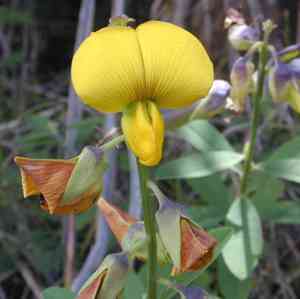
French honeysuckle (Hedysarum coronarium)
Also known as: French Honeysuckle, Sulla
French honeysuckle (Hedysarum coronarium) is highly valued in agriculture, particularly in the Mediterranean Basin, for its versatile applications. It serves as an excellent forage crop, providing nutritious feed for livestock. Its adaptability and drought resistance make it increasingly popular in various regions beyond its native range. Additionally, French honeysuckle plays a key role in soil erosion prevention, thanks to its strong root system. It also supports honey production by attracting pollinators, further enhancing its agricultural benefits.
In This Article
Attributes of French honeysuckle
Lifespan
Perennial
Plant Type
Herb
Plant Height
91 cm to 1.2 m
Spread
60 cm
Leaf Color
Green Blue Gray Silver
Flower Size
1-2 centimeters
Flower Color
Red Purple
Images of French honeysuckle
Quickly Identify French honeysuckle
1
Identify Hedysarum coronarium by its distinctive bright red, pea-like flowers that bloom in clusters. The leaves are pinnate with small, oval leaflets. Another key identifier is its robust, upright growth and hairy stems.
Scientific Classification of French honeysuckle
Phylum
Vascular plants
Class
Dicotyledons
Order
Fabales
Family
Legume
Genus
Sweetvetches
Species
French honeysuckle
Planting and Growing of French honeysuckle
Care Difficulty
Easy
Watering Schedule
Every 4 days
Sunlight Requirements
Full sun
Sunshine Duration
4-6 hours
Ideal Temperature
60-75℉
Soil Type
Potting Mix, Peat Mix
Soil pH
6.5-7.5
Fertilizer Type
Balanced
Pruning Season
Spring, Summer
Pruning Area
Branches, Leaves
Pruning Frequency
2 times a year
Repotting Season
Spring
Pot Type
Plastic, Ceramic
 How to Water French honeysuckle?
Hedysarum coronarium requires a careful balance when it comes to watering. Each watering session should provide around 500 ml of water, allowing the soil to absorb moisture thoroughly but not to the point of saturation. Ensure the top 1-2 inches of soil dry out before watering again, as overly wet conditions can harm the roots.
What are the symptoms of an underwatered French honeysuckle?
›
What should I do if my French honeysuckle is not getting enough water?
›
What are the symptoms of an overwatered French honeysuckle?
›
How to save an overwatered French honeysuckle?
›
 What Are the Sunlight Requirements for French honeysuckle?
Hedysarum coronarium benefits from full sun exposure, thriving in bright to moderate lighting conditions. This light level stimulates blooming and maintains plant health and vitality.
More About Sunlight Requirements Techniques→
What amount of sunlight does Hedysarum coronarium prefer?
›
How can we ensure ideal lighting for Hedysarum coronarium?
›
What are the benefits of providing optimal light to Hedysarum coronarium?
›
 What Is the Ideal Temperature Range for French honeysuckle?
Hedysarum coronarium thrives best in temperatures ranging from 60°F to 75°F. This ideal range supports optimal growth and flowering, providing the conditions necessary for robust health and vitality. Ensuring the temperature within this bracket helps in maintaining the plant's physiological processes without stress.
 What Soil is Best for French honeysuckle?
Hedysarum coronarium thrives in soils that allow water to drain easily. Well-drained soil prevents root rot and ensures the plant remains aerated, promoting vigorous growth and healthy roots. This plant benefits from soil rich in organic matter and nutrients. Nutrient-rich soil supports robust flowering and growth, providing essential minerals and stability for Hedysarum coronarium. Consistent moisture without waterlogging promotes optimal growth. Maintaining moderate moisture levels helps the plant absorb nutrients effectively and sustain its bloom potential.
 How to Fertilize French honeysuckle?
For Hedysarum coronarium, the fertilization amount should be moderate to ensure optimal growth. Use approximately 100-150 grams of balanced NPK (Nitrogen-Phosphorus-Potassium) fertilizer per square meter of soil. This amount provides a balanced nutrient supply without causing root burn or excessive foliage growth.
 How to Prune French honeysuckle?
Ensure all tools used for pruning, such as shears and scissors, are sterilized before use. This prevents any infection or disease transmission between plants, ensuring Hedysarum coronarium remains healthy. While pruning is beneficial, over-pruning can stress the plant. It's crucial to leave adequate foliage, allowing for enough photosynthesis to support the plant's health and future growth.
More About Pruning Techniques→
 How to Propagate French honeysuckle plant?
1
Harvest seeds from mature Hedysarum coronarium plants when the pods have turned brown and dry. This typically occurs in late summer or early autumn. Gently remove the seeds from the pods, ensuring they are clean and free from debris before storage.
2
Sow the collected seeds in seed trays filled with a suitable soil mixture. Ensure seeds are evenly spaced and lightly covered with soil. Maintain consistent moisture by watering gently, taking care not to disturb the seeds.
3
Once seedlings have developed a couple of true leaves and the risk of frost has passed, they can be transplanted to their permanent location. Ensure the soil is well-prepared and water immediately after transplanting to help them establish.
 How to Repot French honeysuckle plant?
1
Repotting Hedysarum coronarium is best done when you notice its roots crowding out of the drainage holes or if growth has significantly slowed. These signs usually indicate that the plant has outgrown its current pot.
2
Choose a pot that is about 2-3 inches larger in diameter than the current one. Ensure it has good drainage holes to prevent waterlogging, which could harm Hedysarum coronarium’s roots. The right pot size encourages optimal growth and prevents root-bound conditions.
3
Opt for a well-draining, sandy loam soil mix. This type of soil ensures that excess moisture can escape, which is crucial for preventing root rot and promoting healthy root development in Hedysarum coronarium.
Learn More About French honeysuckle Diseases
Anthracnose
Bacterial Leaf Spot
Bacterial Wilt
Chemical Injury
Crown Gall
Cyst Nematode
Damping-off
Downy Mildew
Drought Stress
Fusarium Wilt
Gray Mold
Leaf Curl
Leaf Spot
Mosaic
Nutrient Deficiency
Nutrient Toxicity
Powdery Mildew
Root Rot
Root-knot Nematode
Rusts
Sooty Mold
Spider Mites
Temperature Stress
Thrips Damage
White Mold



