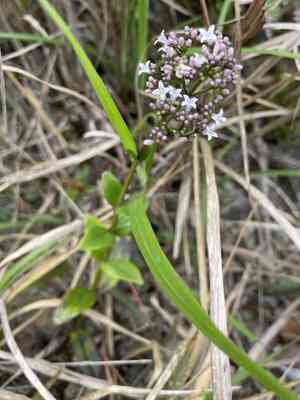
Starviolets (Hedyotis) (Hedyotis)
Also known as: Hedyotis, Oldenlandia, Spurflower
**Schima** is a genus within the family Theaceae. It is indigenous to tropical and subtropical regions of Asia as well as islands in the northwest Pacific. The genus consists of approximately 115 species.
In This Article
Attributes of Starviolets (Hedyotis)
Lifespan
Perennial
Plant Height
Typically 10-50 cm
Spread
Variable, typically up to 30 cm
Leaf Color
Green
Flower Size
Approximately 1.5 cm
Flower Color
White, pale blue
Images of Starviolets (Hedyotis)
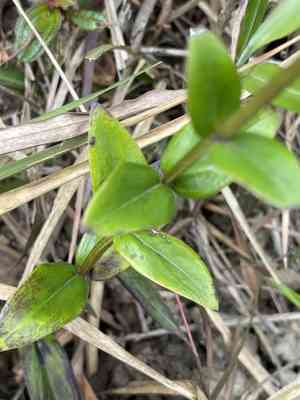
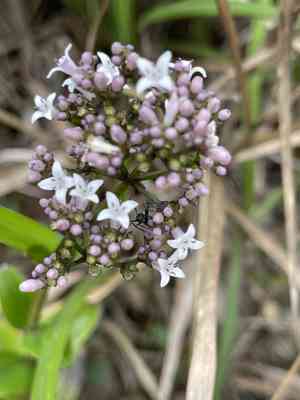
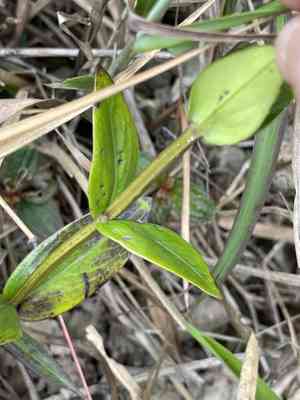
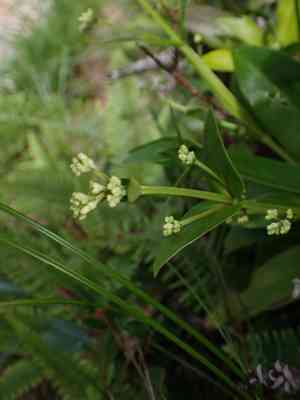
Quickly Identify Starviolets (Hedyotis)
1
Hedyotis can be identified by its small, tubular flowers which are usually white or pale blue, and its opposite leaves that can sometimes be slightly hairy.
Scientific Classification of Starviolets (Hedyotis)
Phylum
Magnoliophyta
Class
Magnoliopsida
Order
Gentianales
Family
Rubiaceae
Genus
Hedyotis
Planting and Growing of Starviolets (Hedyotis)
Care Difficulty
Moderate
Watering Schedule
Every 2 days
Sunlight Requirements
Partial sun
Sunshine Duration
6-10 hours
Ideal Temperature
68-77℉
Soil Type
Potting Mix, Peat Mix
Soil pH
6.5-7.5
Fertilizer Type
Balanced
Pruning Season
Spring, Summer
Pruning Area
Branches, Leaves
Pruning Frequency
2 times a year
Repotting Season
Spring
Pot Type
Plastic, Ceramic
 How to Water Starviolets (Hedyotis)?
Hedyotis thrives with a moderate watering regime. It is important to saturate the soil until water drains from the bottom, ensuring even moisture throughout without leaving the soil waterlogged. Consistent watering promotes healthy root growth.
What are the symptoms of an underwatered Starviolets (Hedyotis)?
›
What should I do if my Starviolets (Hedyotis) is not getting enough water?
›
What are the symptoms of an overwatered Starviolets (Hedyotis)?
›
How to save an overwatered Starviolets (Hedyotis)?
›
 What Are the Sunlight Requirements for Starviolets (Hedyotis)?
Partial sun exposure allows for healthy growth. It supports vibrant foliage, ensuring the plant's energetic needs are met effectively without risking dehydration or burn, hence enabling optimal plant development and resilience.
What is the best type of light for Hedyotis?
›
How can I ensure Hedyotis receives ideal lighting?
›
What benefits does ideal lighting bring to Hedyotis?
›
 What Is the Ideal Temperature Range for Starviolets (Hedyotis)?
The ideal temperature range for cultivating Hedyotis is between 68°F and 77°F. This range ensures optimal growth and health, as it mimics the plant's native tropical and subtropical environment. Keeping temperatures within this range helps maintain the physiological processes associated with photosynthesis and respiration. Constant monitoring of indoor or greenhouse environments is essential to achieving this precise range.
 What Soil is Best for Starviolets (Hedyotis)?
Hedyotis thrives in well-drained soils which prevent waterlogging. Proper drainage ensures that the roots receive sufficient oxygen, promoting healthy growth and robust structural integrity for this plant. The plant performs best in nutrient-rich soils, which provide essential minerals and nutrients. This keeps the foliage vibrant and encourages steady flowering, ultimately enhancing the overall aesthetic appeal of Hedyotis. Hedyotis prefers a slightly acidic soil with a pH ranging from 6.5 to 7.5. Such acidity ensures optimal availability of nutrients, allowing the plant to photosynthesize effectively and maintain a lush, green appearance.
 How to Fertilize Starviolets (Hedyotis)?
For Hedyotis, use a balanced fertilizer at half strength every time you apply liquid fertilizer. For solid fertilizer, apply approximately 1 tsp (about 5 grams) per plant. Adjust according to the plant's size and growth stage.
 How to Prune Starviolets (Hedyotis)?
Begin by examining the plant for dead or yellowing leaves and remove them with clean, sharp shears. Focus on trimming the outer branches to shape the plant into the desired silhouette. Cut back any overgrown or tangled stems to encourage a neat and structured appearance. Always prune just above a leaf node to promote new growth. Conduct major pruning sessions in spring, aiming for shape control, and throughout summer for maintenance. It's crucial to avoid heavy pruning during late autumn or winter, as the plant may not recover well during dormant periods.
 How to Propagate Starviolets (Hedyotis) plant?
1
Fill the seed tray with a well-draining potting mix, ensuring it is moistened to prepare ideal conditions for seed germination.
2
Sow Hedyotis seeds evenly in the tray, covering them lightly with soil, then mist with water to provide moisture needed for germination.
3
Using sterile pruning shears, take 4-6 inch cuttings from healthy plants, cutting just below a leaf node to encourage rooting.
 How to Repot Starviolets (Hedyotis) plant?
1
Hedyotis shows signs for repotting when its growth visibly slows down, roots start circling the pot or growing out of drainage holes, and the soil seems to dry out faster than usual. Repotting should ideally be done in the spring or early summer when the plant is in its active growth phase, maximizing its recovery and adaptation to the new environment.
2
Select a pot that is only slightly larger than the current one, preferably just 1-2 inches in diameter larger. A pot that is too large can lead to overwatering issues because the soil retains moisture for too long. Opt for a pot with ample drainage holes to prevent water stagnation, reducing the risk of root rot.
3
Choose a well-draining potting mix that is light and airy. A suitable mix might include equal parts of peat, perlite, and pine bark. This composition ensures good aeration and drainage while retaining the necessary moisture, which supports root health and reduces the likelihood of fungal diseases.
Learn More About Starviolets (Hedyotis) Diseases
Anthracnose
Bacterial Leaf Spot
Bacterial Wilt
Damping-off
Downy Mildew
Drought Stress
Fusarium Wilt
Gray Mold
Leaf Curl
Leaf Spot
Mosaic
Nutrient Deficiency
Nutrient Toxicity
Powdery Mildew
Root Rot
Root-knot Nematode
Rusts
Sooty Mold
Spider Mites
Temperature Stress
Thrips Damage
White Mold
Chemical Injury

