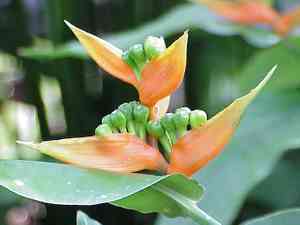
Ginger Lily (Hedychium) (Hedychium)
Also known as: Garland flower
Ginger Lily stands out as an easy-to-maintain plant due to several key features. These hardy perennials boast fragrant, bold blossoms and a tall, upright growth habit. Their tropical nature adds a touch of exotic flair to gardens. They require minimal spacing, allowing for dense planting, and their height provides excellent structure to garden borders. Ginger Lily thrives in sunny locations with well-drained soil, making them a versatile and low-maintenance choice for gardeners.
In This Article
Attributes of Ginger Lily (Hedychium)
Lifespan
Perennial
Plant Height
2.5 m
Spread
1 m
Leaf Color
Green
Flower Size
5 to 10 centimeters
Flower Color
White, yellow, orange, red
Images of Ginger Lily (Hedychium)
Quickly Identify Ginger Lily (Hedychium)
1
Hedychium can be identified by its large, broad leaves that resemble those of banana plants, and its tall spikes of fragrant flowers, which can be white, yellow, orange, or red. The flowers often have long, narrow petals and are highly aromatic, making them easy to identify by scent.
Scientific Classification of Ginger Lily (Hedychium)
Phylum
Angiosperms
Class
Monocots
Order
Zingiberales
Family
Zingiberaceae
Genus
Hedychium
Planting and Growing of Ginger Lily (Hedychium)
Care Difficulty
Moderate
Watering Schedule
Every 6 days
Sunlight Requirements
Partial sun
Sunshine Duration
6-10 hours
Ideal Temperature
60-75℉
Soil Type
Potting Mix, Peat Mix
Soil pH
6.5-7.5
Fertilizer Type
Balanced
Pruning Season
Spring, Summer
Pruning Area
Branches, Leaves
Pruning Frequency
2 times a year
Repotting Season
Spring
Pot Type
Plastic, Ceramic
 How to Water Ginger Lily (Hedychium)?
When watering Hedychium, ensure the soil is moist but not soggy. Aiming for about 500ml per watering session is ideal for maintaining adequate moisture levels without waterlogging the roots.
What are the symptoms of an underwatered Ginger Lily (Hedychium)?
›
What should I do if my Ginger Lily (Hedychium) is not getting enough water?
›
What are the symptoms of an overwatered Ginger Lily (Hedychium)?
›
How to save an overwatered Ginger Lily (Hedychium)?
›
 What Are the Sunlight Requirements for Ginger Lily (Hedychium)?
Partial sun is ideal for Hedychium as it provides the perfect balance for photosynthesis without the extremes that cause stress, promoting lush foliage and magnificent blooms.
What is the best lighting condition for Hedychium?
›
How can you achieve ideal lighting for Hedychium?
›
What benefits does ideal lighting offer Hedychium?
›
 What Is the Ideal Temperature Range for Ginger Lily (Hedychium)?
For optimal growth, Hedychium species thrive best in temperatures ranging from 60°F to 75°F. This range ensures that the plants maintain adequate metabolic functions and growth rate, ensuring vibrant blooms and healthy foliage. The moderate warmth of this range mimics their native tropical and subtropical origins, which is necessary for their development and propagation. Maintaining consistency within this temperature band helps prevent stress and optimizes both flowering and fragrance.
 What Soil is Best for Ginger Lily (Hedychium)?
Hedychium thrives in well-drained soil, which prevents waterlogged conditions that can lead to root rot. Proper drainage helps in keeping the plant healthy and supports robust growth. A nutrient-rich environment is essential for Hedychium, as it supports the plant's vibrant foliage and flowering. Enriching the soil with organic matter can significantly enhance plant vitality. While Hedychium prefers well-drained soil, it also benefits from moisture-retentive properties. This dual requirement ensures that the plant remains hydrated without being waterlogged.
 How to Fertilize Ginger Lily (Hedychium)?
For Hedychium plants, it is essential to use a balanced fertilizer, especially those that have an NPK ratio of about 10-10-10. You should dilute liquid fertilizers to half their recommended strength, as this will prevent overwhelming the plant with too many nutrients at once.
 How to Prune Ginger Lily (Hedychium)?
Focus on shaping the plant after the main growing season. Assess the plant's natural form and cut back any excessively long stems to maintain a tidy shape. Remember to step back occasionally to ensure the symmetry and balance of the plant. To encourage dense, vigorous growth, cut back the oldest stems at the base. This stimulates the plant to produce new vigorous shoots and contributes to a bushier appearance. Pruning can sometimes expose plants to pests, especially if cuts are not clean. Therefore, monitor the plants after pruning and take action if any signs of pests are noticed.
 How to Propagate Ginger Lily (Hedychium) plant?
1
To propagate Hedychium from seeds, soak them in warm water for 24 hours to soften their outer coat. This step helps accelerate germination by allowing moisture to penetrate more easily.
2
Divide mature Hedychium plants by cutting the rhizomes into sections with several nodes each. Ensure each division has healthy roots attached. Disinfect your tools to avoid infections.
3
After division, plant the sections in pots with a well-draining potting mix. Water them thoroughly and keep them in a warm, shaded area until they establish a strong root system.
 How to Repot Ginger Lily (Hedychium) plant?
1
Hedychium should be repotted when you notice roots growing out of the drainage holes or when the plant's growth noticeably slows despite favorable conditions. Another indication is if the soil dries out rapidly after watering. These signals suggest that the plant has outgrown its current pot and requires more space to flourish.
2
Select a pot that is 1-2 inches larger in diameter than the current one. A pot with good drainage is essential to prevent waterlogging, which can lead to root rot. The new pot should also accommodate the plant’s size and allow room for growth, ensuring that your Hedychium thrives optimally.
3
Prepare a rich, well-draining soil mix, which is crucial for maintaining the balance of moisture while providing necessary nutrients. A good mix might include equal parts of peat moss, perlite, and compost. This combination ensures air circulation while retaining sufficient moisture for your plant's needs.
Learn More About Ginger Lily (Hedychium) Diseases
Anthracnose
Bacterial Leaf Spot
Bacterial Soft Rot
Bacterial Wilt
Crown Gall
Cyst Nematode
Damping-off
Drought Stress
Fusarium Wilt
Gray Mold
Leaf Spot
Mosaic
Nutrient Deficiency
Nutrient Toxicity
Powdery Mildew
Root Rot
Root-knot Nematode
Rusts
Sooty Mold
Spider Mites
Temperature Stress
Thrips Damage
White Mold

