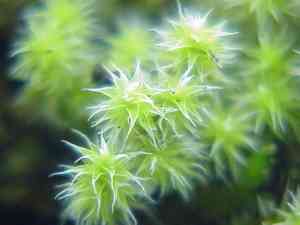
Ciliate hedwigia moss (Hedwigia ciliata)
Also known as: Ciliate hoar-moss
You might be referring to the Ciliate Hedwigia Moss (*Hedwigia ciliata*). This moss is commonly found along woodland trails, streamsides, and even on building walls. Named in honor of Johannes Hedwig, a key figure in bryology, this moss is often mistaken for species in the Racomitrium or Schistidium genera. However, *Hedwigia ciliata* stands out due to its absence of peristome teeth.
In This Article
Attributes of Ciliate hedwigia moss
Lifespan
Annual
Plant Type
Moss
Plant Height
2.5 cm
Spread
30 cm
Leaf Color
Dark green to brownish-green
Flower Size
Not applicable
Flower Color
Not applicable
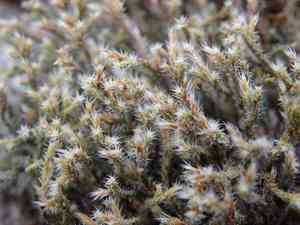
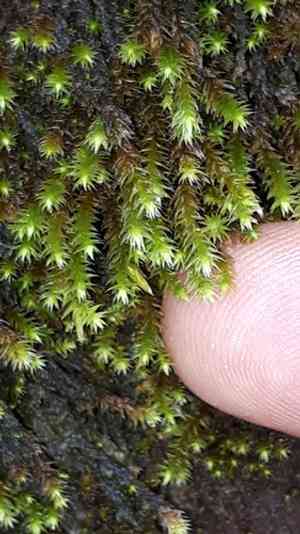
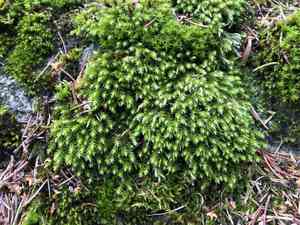
Images of Ciliate hedwigia moss
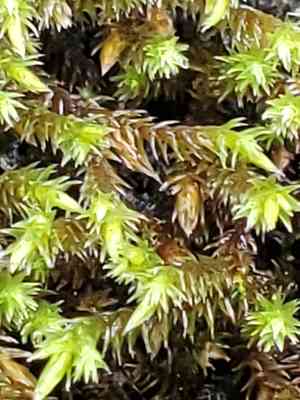
Quickly Identify Ciliate hedwigia moss
1
Hedwigia ciliata can be identified by its densely tufted, dark green to brownish-green shoots. The leaves are lanceolate and have a distinctive ciliate margin. It often appears whitish when dry due to the presence of hair points on the leaves.
Scientific Classification of Ciliate hedwigia moss
Phylum
Mosses
Class
True mosses
Order
Leucodontales
Family
Hedwigiaceae
Genus
Hedwigia
Species
Ciliate hedwigia moss
Planting and Growing of Ciliate hedwigia moss
Care Difficulty
Hard
Watering Schedule
Every 2 days
Sunlight Requirements
Partial sun
Sunshine Duration
10-14 hours
Ideal Temperature
50-68℉
Soil Type
Potting Mix, Peat Mix
Soil pH
6.5-7.5
Fertilizer Type
Balanced
Pruning Season
Spring, Summer
Pruning Area
Branches, Leaves
Pruning Frequency
2 times a year
Repotting Season
Spring
Pot Type
Plastic, Ceramic
 How to Water Ciliate hedwigia moss?
Hedwigia ciliata thrives on moderation. It's important to water this plant until the top third of the soil is lightly moist, avoiding waterlogging. This ensures the roots have ample hydration without the risk of rot.
What are the symptoms of an underwatered Ciliate hedwigia moss?
›
What should I do if my Ciliate hedwigia moss is not getting enough water?
›
What are the symptoms of an overwatered Ciliate hedwigia moss?
›
How to save an overwatered Ciliate hedwigia moss?
›
 What Are the Sunlight Requirements for Ciliate hedwigia moss?
Partial sunlight with some full shade periods is ideal. Ensuring this balance promotes strong, healthy growth and maintains the plant's vibrant color without stress.
What's the best light for Hedwigia ciliata?
›
How to achieve ideal lighting conditions?
›
Benefits of ideal light conditions?
›
 What Is the Ideal Temperature Range for Ciliate hedwigia moss?
For optimal growth, Hedwigia ciliata prefers a temperature range between 50°F and 68°F. This range ensures that the plant maintains its metabolic processes effectively. Maintaining temperature within this range supports photosynthesis and other vital functions.
 What Soil is Best for Ciliate hedwigia moss?
Hedwigia ciliata thrives in areas where the soil is able to drain well, allowing excess water to escape easily. This prevents root rot and encourages healthy root development, ultimately supporting the plant's overall growth and vigor. This plant requires a moderate amount of nutrients in the soil to sustain its growth. Balanced soil fertility ensures optimal metabolic activities, enhancing the moss's ability to photosynthesize efficiently and maintain a vibrant appearance. While good drainage is essential, the soil should also retain enough moisture to keep the plant hydrated, especially during dry periods. This balance is crucial in maintaining the plant's lush appearance and its ability to adapt to varying weather conditions.
 How to Fertilize Ciliate hedwigia moss?
Hedwigia ciliata generally doesn't require heavy fertilization, being a moss commonly found in rocky habitats. When applying liquid fertilizers, ensure to dilute the concentration to about one-quarter of the recommended dosage to prevent nutrient burn. Solid fertilizers should be in very minimal quantity owing to the plant's sensitivity.
 How to Prune Ciliate hedwigia moss?
Begin by sterilizing your pruning tools to prevent any disease transmission. Gently inspect the moss and identify any overgrown or brown patches. Trim these areas with precision to encourage new growth. Be cautious not to cut too deeply into the healthy section, as moss does not regenerate easily. To maintain a desirable shape, use scissors to carefully trim edges and protruding sections. This helps keep the moss compact and aesthetically pleasing. Regular shaping ensures that the moss remains robust and uniform in texture.
 How to Propagate Ciliate hedwigia moss plant?
1
To prepare Hedwigia ciliata for division, thoroughly water the moss to ensure it is hydrated, as dry moss can easily break and reduce the chance of successful propagation.
2
Using a sharp knife or spade, divide the moss into smaller sections. Each section should have a fair number of stems and enough mass to sustain its growth post-division.
3
Plant each divided section in a suitable growing medium that mimics its natural habitat, providing adequate drainage and moisture. Ensure the sections are firmly pressed into the substrate.
 How to Repot Ciliate hedwigia moss plant?
1
Look for signals such as roots growing out of the drainage holes or the growth rate slowing down, indicating your Hedwigia ciliata needs repotting. The best time is when new growth begins in spring or during the mellowing days of autumn when the plant is least stressed.
2
Choose a pot that is 1-2 inches larger than the current one. This allows ample room for root growth while preventing excessive moisture buildup. A pot with good drainage holes is vital to prevent waterlogging, which fosters root rot.
3
Opt for a well-draining, sandy mix to mimic its natural rocky habitats. Such a mix ensures good aeration, prevents compaction, and reduces the risk of root diseases, maintaining the plant's health and vigor.

