Himalayan ivy(Hedera nepalensis)

Himalayan ivy (Hedera nepalensis)

Also known as: Nepal Ivy

Himalayan ivy, a woody evergreen vine originating from Nepal, features distinctive gray-green foliage and is often used as a climbing plant or ground cover. While it adds aesthetic value, it poses certain risks:

1. **Invasive Growth:** Its rapid spread can overwhelm other plants, disrupting garden ecosystems.
2. **Structural Issues:** The vine's strong adherence can cause damage to buildings and other structures.
3. **Allergic Reactions:** Contact with the plant may result in skin irritation for some individuals.
4. **Toxicity:** The plant contains saponins, making it toxic if ingested, which can be dangerous for pets and children.

Regular maintenance and careful placement are crucial to minimize these hazards.

Attributes of Himalayan ivy

Lifespan
Perennial
Plant Type
Herb, Vine
Plant Height
30 m
Spread
Varies depending on support structure
Leaf Color
Green
Flower Size
0.3-0.5 cm
Flower Color
Yellow Green

ForwardPlant - Identify plants with a snap

Identify and diagnose plants, get toxicity alerts, and explore safety guides for all types of fungi.

Try for Free

Images of Himalayan ivy

Himalayan ivy(Hedera nepalensis)

Quickly Identify Himalayan ivy

1
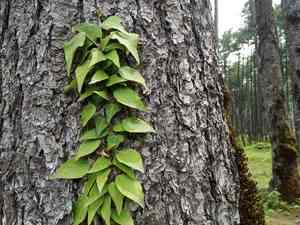
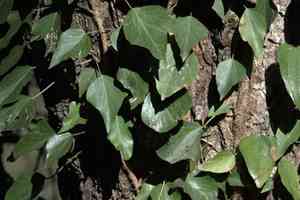
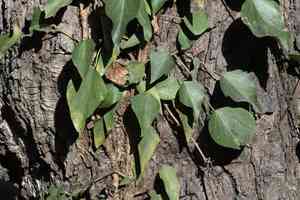
You can identify Hedera nepalensis by its glossy, dark green, lobed leaves and its climbing or trailing habit. The leaves are thick and leathery, and the plant often produces small greenish flowers followed by black berries.

Scientific Classification of Himalayan ivy

Phylum
Vascular plants
Class
Dicotyledons
Order
Carrots, ivies and allies
Family
Ivy
Genus
Ivy
Species
Himalayan ivy

Planting and Growing of Himalayan ivy

Care Difficulty
Easy
Watering Schedule
Every 3 days
Sunlight Requirements
Partial sun
Sunshine Duration
4-6 hours
Ideal Temperature
60-75℉
Soil Type
Potting Mix, Peat Mix
Soil pH
6.5-7.5
Fertilizer Type
Balanced
Pruning Season
Spring, Summer
Pruning Area
Branches, Leaves
Pruning Frequency
2 times a year
Repotting Season
Spring
Pot Type
Plastic, Ceramic

water icon How to Water Himalayan ivy?

Hedera nepalensis, or the Nepalese ivy, requires moderate watering to thrive. This plant doesn't like to be waterlogged, so ensure that the soil is evenly moist but not soggy. About 200 ml of water should be sufficient for a standard pot, allowing the soil to maintain a balanced moisture level.
What are the symptoms of an underwatered Himalayan ivy?
What should I do if my Himalayan ivy is not getting enough water?
What are the symptoms of an overwatered Himalayan ivy?
How to save an overwatered Himalayan ivy?

sunlight icon What Are the Sunlight Requirements for Himalayan ivy?

Sunlight Requirements: Partial sun, Full shade
Duration of light: 3 to 6 hours
Partial sun with brief periods of full shade suits Hedera nepalensis best. This ensures optimal leaf coloration and robust structure, replicating its natural understory habitat conditions.
What is the optimal light exposure for Hedera nepalensis?
How can I ensure ideal lighting for Hedera nepalensis?
What are the benefits of ideal lighting for Hedera nepalensis?
More About Sunlight Requirements Techniques

temperature icon What Is the Ideal Temperature Range for Himalayan ivy?

Ideal Temperature: 60 ~ 75℉
The ideal temperature range for Hedera nepalensis, between 60°F and 75°F, is crucial for optimal growth and photosynthesis. At these temperatures, the plant can efficiently manage its metabolic processes and nutrient uptake, ensuring healthy foliage and root development. Maintaining this temperature range helps prevent stress-related symptoms that can occur from temperature extremes and also promotes robust growth and resilience against pests and diseases.

soil icon What Soil is Best for Himalayan ivy?

Soil type: Loam, Clay soil, Sandy loam
Soil PH: 6.5 ~ 7.5
Hedera nepalensis thrives in nutrient-rich soil. Providing a balance of essential nutrients ensures lush foliage and promotes vigorous growth, maintaining the plant's vibrant appearance. This plant prefers well-drained soil to avert root rot. A well-drained medium prevents waterlogging, allowing roots to breathe and absorb oxygen efficiently. Adequate moisture retention is vital for Hedera nepalensis. Soils that can hold moisture help maintain consistent hydration, crucial for the plant's health, especially during dry spells.

fertilize icon How to Fertilize Himalayan ivy?

Fertilizer type: Balanced
For Hedera nepalensis, a balanced liquid fertilizer should be used at half strength. Over-fertilizing can lead to plant stress and nutrient burn. Apply approximately 1 teaspoon per gallon of water, ensuring the soil is moist before application to prevent root burn.

prune icon How to Prune Himalayan ivy?

Pruning Time: Spring, Summer
To prune Hedera nepalensis, use sharp, clean shears to trim back overgrown or leggy stems. Focus on cutting just above a leaf node to encourage new growth. Remove any dead or damaged vines to maintain plant health. Aim for a balanced shape and avoid cutting off too much at once to prevent shock. For a more structured look, guide the vines by selectively trimming them to encourage growth in desired directions. Train young vines on a trellis or wire for creative patterns. Regularly check for vines that may be overtaking other plants or structures and address them promptly. More About Pruning Techniques

propagate icon How to Propagate Himalayan ivy plant?

Propagate Time: Spring, Early summer
1
Select healthy, non-flowering stems and cut below a node. Each cutting should be about 4-6 inches long and have several leaves but remove those leaves that are near the base.
2
Dip the cut end of the stem into rooting hormone to speed up root growth and increase the chances of successful propagation. Ensure that the hormone covers the cut completely.
3
Plant the cutting in a pot with well-draining soil. Water it thoroughly and ensure the pot is placed in a location with indirect sunlight. Maintain consistent moisture until roots establish.
More About Propagating Techniques

repot icon How to Repot Himalayan ivy plant?

Repotting frequency: Every 2-3 years
1
Repotting Hedera nepalensis is necessary when you observe roots growing out of the drainage holes, soil that dries out very quickly after watering, or a noticeable slowdown in growth. These are clear signals that the plant requires more space and fresh soil nutrients to thrive. Pay close attention to these signs, especially during the ideal repotting seasons of spring and autumn, to ensure optimal plant health and growth.
2
Selecting an appropriate pot is crucial for Hedera nepalensis. Opt for a container that is one size larger than the current pot, with excellent drainage holes to prevent waterlogging. A pot that breathes well, like terracotta, helps in regulating moisture levels and allows for better root aeration. This reduces the risk of root rot and promotes healthier plant development.
3
Hedera nepalensis thrives in a well-draining potting mix. A mixture of potting soil with added perlite or sand ensures proper drainage and prevents water accumulation, which can lead to root rot. The soil should retain enough moisture to keep the plant hydrated but not so much that it becomes soggy.

ForwardPlant - Identify plants with a snap

Find the best spots for them to optimize their health, simply using your phone.

Try for Free