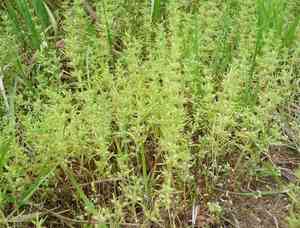
Rough false pennyroyal (Hedeoma hispida)
Also known as: Rough Pennyroyal, Rough False Pennyroyal
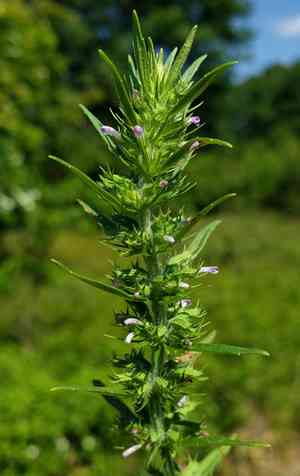
Rough false pennyroyal is a tough, small perennial herb characterized by its coarse, bristly surface. It thrives in the dry, rocky terrains of North American deserts and prairies. This plant is notable for its bushy form, aromatic leaves, and small purple flowers, which provide a splash of color in its arid surroundings. It adapts well to intense sunlight and limited rainfall, using its sparse foliage to conserve water and endure harsh conditions.
In This Article
Attributes of Rough false pennyroyal
Lifespan
Annual
Plant Type
Herb
Plant Height
8 cm to 41 cm
Spread
N/A
Leaf Color
Green
Flower Size
0.5-1 cm
Flower Color
Purple
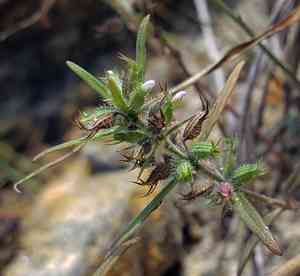
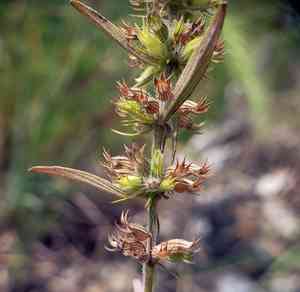
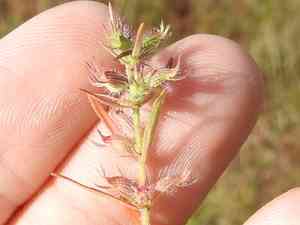
Images of Rough false pennyroyal
Quickly Identify Rough false pennyroyal
1
The plant can be identified by its small, lanceolate leaves covered with fine hairs and its small blue to violet flowers. The leaves release a minty fragrance when crushed.
Scientific Classification of Rough false pennyroyal
Phylum
Vascular plants
Class
Dicotyledons
Order
Lamiales
Family
Mint
Genus
False pennyroyals
Species
Rough false pennyroyal
Planting and Growing of Rough false pennyroyal
Care Difficulty
Easy
Watering Schedule
Every 2 days
Sunlight Requirements
Full sun
Sunshine Duration
4-8 hours
Ideal Temperature
60-70℉
Soil Type
Potting Mix, Peat Mix
Soil pH
6.5-7.5
Fertilizer Type
Balanced
Pruning Season
Spring, Summer
Pruning Area
Branches, Leaves
Pruning Frequency
2 times a year
Repotting Season
Spring
Pot Type
Plastic, Ceramic
 How to Water Rough false pennyroyal?
When watering Hedeoma hispida, use around 200 milliliters of water per session. This ensures the soil remains moderately moist without becoming soggy. The plant thrives best when the soil is allowed to dry slightly between watering sessions. Insert a finger into the soil about an inch deep; if it feels dry, it's time to water. This helps to create an optimal environment, aligning with its natural habitat's conditions.
What are the symptoms of an underwatered Rough false pennyroyal?
›
What should I do if my Rough false pennyroyal is not getting enough water?
›
What are the symptoms of an overwatered Rough false pennyroyal?
›
How to save an overwatered Rough false pennyroyal?
›
 What Are the Sunlight Requirements for Rough false pennyroyal?
Hedeoma hispida thrives in full to partial sun. Providing 6 to 8 hours of sunlight allows for optimal photosynthesis, ensuring robust growth, enhanced flowering, and healthy, vibrant foliage.
What is the ideal light intensity for Hedeoma hispida?
›
How can I ensure my plant gets optimal lighting?
›
What are the benefits of ideal lighting for this plant?
›
 What Is the Ideal Temperature Range for Rough false pennyroyal?
For the most robust growth of Hedeoma hispida, maintaining an indoor temperature range between 60°F and 70°F is ideal. This temperature range provides an excellent environment for photosynthesis, leading to healthy development and vibrant foliage.
 What Soil is Best for Rough false pennyroyal?
Hedeoma hispida thrives in well-drained soils to prevent waterlogging, which can cause root rot. This allows the plant's roots to access the necessary oxygen and nutrients, promoting healthy growth and vigorous development. This plant prefers soils with moderate nutrient content. Rich soils may lead to excessive foliage at the expense of blooms, while poor soils might stunt growth. Maintaining moderate nutrient levels supports a balanced growth cycle with ample flowering. Hedeoma hispida is adapted to environments with lower organic content. Excess organic material can lead to water retention issues. Providing soil with lower organic content mirrors its natural habitat, ensuring better adaptation and survival.
 How to Fertilize Rough false pennyroyal?
Hedeoma hispida benefits from a balanced diet of nutrients. For liquid fertilizer, use a 10-10-10 or 20-20-20 balanced formula, diluted to half strength. Each application should evenly moisten the soil, ensuring that nutrients reach the roots without causing burns. Solid fertilizers should be applied according to the manufacturer's instructions, typically around 1 tablespoon per gallon of soil or 200 sq. cm of planting area.
 How to Prune Rough false pennyroyal?
Begin by assessing the plant to identify any dead, damaged, or diseased branches. These should be removed first to promote a healthier growth environment. Trim the outer branches to shape the plant, encouraging a fuller look. Make clean cuts just above a leaf node or bud to guide new growth. To promote new growth, prune some of the longer stems. This stimulates the plant to produce new branches, aiding in fuller, more robust development. After pruning, water the plant to help it recover and continue growing. Consider applying a balanced fertilizer to support its health and encourage vigorous growth.
 How to Propagate Rough false pennyroyal plant?
1
Start by preparing a well-draining soil mix. A mix of peat moss and perlite can work well. Ensure the soil is slightly moist to promote root and seed growth.
2
Evenly scatter seeds over the prepared soil surface in the seed tray. Cover with a thin layer of soil, just enough to lightly cover the seeds without burying them too deep.
3
Select healthy, non-flowering stems for cuttings. Using sharp pruners, cut a stem about 4-6 inches long. Remove the lower leaves, leaving a few at the top to promote rooting.
 How to Repot Rough false pennyroyal plant?
1
Hedeoma hispida shows signs of needing repotting when its roots start sneaking out of the drainage holes or the soil becomes compacted. Also, if the plant appears stunted, it's time to give it a new home.
2
Opt for a pot that's just one size larger than the current one. A slightly larger pot prevents excessive soil retention, which can lead to root rot, and helps the plant transition smoothly without stress.
3
Use a well-draining sandy soil mix to mimic the plant’s natural habitat. Such soil ensures proper drainage, preventing root rot and promoting healthy root growth in its new environment.
Toxicity
Ingestion
WARNING
The judgment on toxicity and danger is for reference only. We DO NOT GUARANTEE any accuracy of such judgment. Therefore, you SHALL NOT rely on such judgment. It is IMPORTANT TO SEEK PROFESSIONAL ADVICE in advance when necessary.



