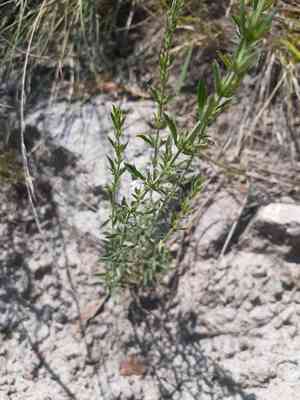
Dentate false pennyroyal (Hedeoma dentata)
Also known as: False Pennyroyal
The dentate false pennyroyal, a perennial herb, is well-known for its slender, serrated leaves and compact, bushy form. It prospers in environments with rocky or sandy soils, requiring full sunlight to flourish. This herb produces small, tubular flowers that attract pollinators. Its aromatic leaves and petite structure are key adaptations to thriving in dry, sunlit areas.
In This Article
Attributes of Dentate false pennyroyal
Lifespan
Annual
Plant Type
Herb
Plant Height
10-30 cm
Spread
10-20 cm
Leaf Color
Green
Flower Size
5-10 mm
Flower Color
Lavender
Images of Dentate false pennyroyal
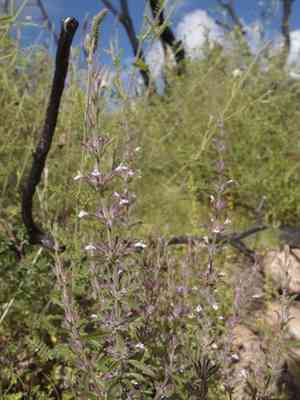
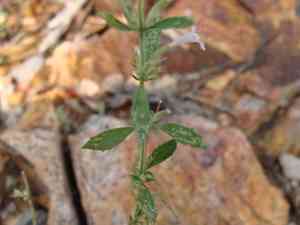
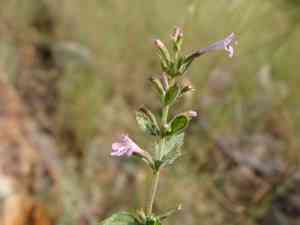
Quickly Identify Dentate false pennyroyal
1
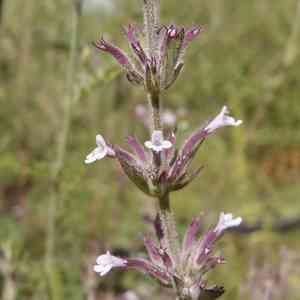
Hedeoma dentata can be identified by its small, opposite leaves that are narrow and toothed. It also produces small, lavender flowers, which are typical of the mint family.
Scientific Classification of Dentate false pennyroyal
Phylum
Vascular plants
Class
Dicotyledons
Order
Lamiales
Family
Mint
Genus
False pennyroyals
Species
Dentate false pennyroyal
Planting and Growing of Dentate false pennyroyal
Care Difficulty
Easy
Watering Schedule
Every 2 days
Sunlight Requirements
Full sun
Sunshine Duration
4-8 hours
Ideal Temperature
60-70℉
Soil Type
Potting Mix, Peat Mix
Soil pH
6.5-7.5
Fertilizer Type
Balanced
Pruning Season
Spring, Summer
Pruning Area
Branches, Leaves
Pruning Frequency
2 times a year
Repotting Season
Spring
Pot Type
Plastic, Ceramic
 How to Water Dentate false pennyroyal?
For Hedeoma dentata, aim to water until the soil feels just moist, yet not soggy. Each watering session should use approximately 150 milliliters, ensuring that the moisture reaches moderate, even depths without accumulating excess water at the base.
What are the symptoms of an underwatered Dentate false pennyroyal?
›
What should I do if my Dentate false pennyroyal is not getting enough water?
›
What are the symptoms of an overwatered Dentate false pennyroyal?
›
How to save an overwatered Dentate false pennyroyal?
›
 What Are the Sunlight Requirements for Dentate false pennyroyal?
This plant does best with full to partial sun exposure. Ideal conditions promote vigorous growth, rich foliage color, and natural expansion, leveraging adequate sunlight to fuel robust development.
What type of light is best for Hedeoma dentata?
›
How can I provide ideal light conditions indoors?
›
What are the benefits of providing ideal lighting?
›
 What Is the Ideal Temperature Range for Dentate false pennyroyal?
Hedeoma dentata thrives in a moderate temperature range, ideally between 60°F and 70°F. This range allows the plant to perform optimally, facilitating growth and essential physiological processes. Achieving this temperature range helps maintain the plant's metabolic functions and supports healthy foliage development.
 What Soil is Best for Dentate false pennyroyal?
Hedeoma dentata thrives in well-drained soil, preventing root rot and promoting healthy growth. Good drainage ensures excess water runs off, allowing roots to access essential nutrients and oxygen. For vibrant growth, ensure the soil is rich in organic matter. This boosts nutrient availability, supporting robust stem and leaf development, which is essential for this plant's aromatic qualities. Hedeoma dentata prefers soil with moderate fertility levels to prevent excessive foliage at the expense of aromatic oil concentration. Balanced fertilization promotes optimal plant health and aromatic richness.
 How to Fertilize Dentate false pennyroyal?
Hedeoma dentata benefits from a balanced approach when it comes to fertilizing. For liquid fertilizers, a general rule is to use a half-strength solution suitable for herbs. A recommended measurement would be approximately 1 tablespoon per gallon of water. For solid fertilizers, especially those that are slow-release, follow the manufacturer's instructions but typically align with adding a tablespoon per plant base.
 How to Prune Dentate false pennyroyal?
Begin by identifying the older and woody parts of the Hedeoma dentata. These are the sections you want to prune to encourage new growth. Snip just above a set of leaves to ensure healthy regrowth. Always use sharp and sterilized pruning shears to make clean cuts. This helps prevent diseases from infecting the plant through jagged wounds. Sharp cuts also heal faster, promoting quicker recovery.
More About Pruning Techniques→
 How to Propagate Dentate false pennyroyal plant?
1
Start by soaking seeds overnight to improve germination rates. Ensure that seeds are fresh and not damaged, as this will affect their ability to sprout.
2
Fill seed trays with a well-draining potting mix and sow the seeds on the surface. Lightly cover with additional soil and ensure the tray stays moist but not waterlogged.
3
Select healthy, non-flowering stems from the parent plant. Cut about 4-6 inches below a node and remove the lower leaves before planting the cuttings in a prepared potting medium.
 How to Repot Dentate false pennyroyal plant?
1
To determine the right time to repot, watch for signs such as roots growing out of drainage holes or slowed growth. These indicate that the plant needs more space. Ideally, the best time to repot is in early spring, allowing Hedeoma dentata to settle into its new pot before entering its active growth phase.
2
Select a new pot that's one size larger, about 2 inches wider in diameter than the current one. The selected pot should have sufficient drainage holes at the bottom to prevent waterlogging, which is crucial for Hedeoma dentata's healthy root development. A clay pot is recommended as it allows moisture to evaporate faster, reducing the risk of root rot.
3
Opt for a well-draining, sandy mix that mimics Hedeoma dentata's natural growing conditions. This type of soil provides excellent aeration and minimizes the risk of water retention, promoting robust growth. It should be blended with a little organic matter to supply nutrients, enhancing the plant’s capacity to establish strong roots after repotting.
Learn More About Dentate false pennyroyal Diseases
Anthracnose
Bacterial Leaf Spot
Bacterial Wilt
Black Spot
Chemical Injury
Crown Gall
Cyst Nematode
Damping-off
Downy Mildew
Drought Stress
Fusarium Wilt
Gray Mold
Leaf Curl
Leaf Spot
Mosaic
Nutrient Deficiency
Nutrient Toxicity
Powdery Mildew
Root Rot
Root-knot Nematode
Rusts
Sooty Mold
Spider Mites
Temperature Stress
Thrips Damage
White Mold


