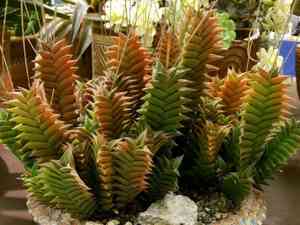
Haworthia viscosa (Haworthiopsis viscosa)
Also known as: Shiny Haworthia, ツヤハオルチア
Haworthia viscosa is a small succulent plant native to South Africa. It is often grown as a houseplant and is popular among collectors of succulents. The plant is notable for its unusual appearance, with deep green, translucent leaves that give it a unique, almost otherworldly quality.
In This Article
Attributes of Haworthia viscosa
Lifespan
Perennial
Plant Type
Herb, Succulent
Plant Height
20 cm
Spread
30 cm
Leaf Color
Brown Green
Flower Size
Small (about 1 cm)
Flower Color
White
Images of Haworthia viscosa
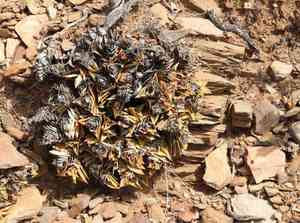
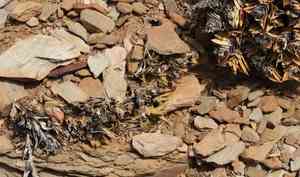
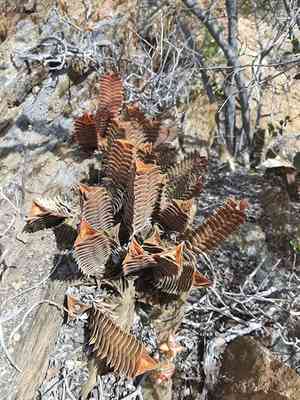
Quickly Identify Haworthia viscosa
1
Haworthiopsis viscosa can be identified by its sharply angled, triangular leaves arranged in a spiral rosette pattern. The leaves are typically dark green and have a glossy surface. Unlike other succulents, its leaves are firm and densely packed.
Scientific Classification of Haworthia viscosa
Phylum
Vascular plants
Class
Monocotyledons
Order
Asparagales
Family
Asphodel
Genus
Haworthiopsis
Species
Haworthia viscosa
Planting and Growing of Haworthia viscosa
Care Difficulty
Easy
Watering Schedule
Every 3 days
Sunlight Requirements
Partial sun
Sunshine Duration
6-10 hours
Ideal Temperature
70-80℉
Soil Type
Potting Mix, Peat Mix
Soil pH
6.5-7.5
Fertilizer Type
Balanced
Pruning Season
Spring, Summer
Pruning Area
Branches, Leaves
Pruning Frequency
2 times a year
Repotting Season
Spring
Pot Type
Ceramic, Plastic
 How to Water Haworthia viscosa?
For Haworthiopsis viscosa, watering involves allowing the soil to dry out between waterings. Use approximately 100 ml of water each time. The amount should ensure that water thoroughly drains through the potting mix, signaling hydration without over-saturating the roots.
What are the symptoms of an underwatered Haworthia viscosa?
›
What should I do if my Haworthia viscosa is not getting enough water?
›
What are the symptoms of an overwatered Haworthia viscosa?
›
How to save an overwatered Haworthia viscosa?
›
 What Are the Sunlight Requirements for Haworthia viscosa?
Haworthiopsis viscosa flourishes best in partial to full sunlight conditions, between 4 to 6 hours of exposure daily. Adequate sunlight boosts its vibrant leaf formation and promotes a resilient growth pattern.
What is the ideal light for Haworthiopsis viscosa?
›
How do you achieve the ideal lighting for this plant?
›
What are the benefits of ideal lighting conditions?
›
 What Is the Ideal Temperature Range for Haworthia viscosa?
The ideal temperature range for Haworthiopsis viscosa is between 70°F and 80°F. This range allows the plant to thrive and grow optimally, providing necessary warmth and stability. Temperatures within this range mimic the plant's native environment in South Africa, where it experiences similar warmth.
 What Soil is Best for Haworthia viscosa?
Why does Haworthiopsis viscosa need well-draining soil? This type of soil prevents waterlogging, which can lead to root rot, ensuring the roots stay healthy and breathable. Does Haworthiopsis viscosa require nutrient-rich soil? Although succulent plants don't need overly rich soil, a balanced nutrient profile helps in maintaining vibrant growth without risking nutrient-burn. Why is the pH range important for Haworthiopsis viscosa? Maintaining a pH range of 6.5 to 7.5 ensures optimal nutrient availability and absorption, preventing deficiencies or toxicities.
 How to Fertilize Haworthia viscosa?
For Haworthiopsis viscosa, a balanced and diluted liquid fertilizer should be used. The recommended concentration is 1/4 of the typical houseplant dosage, applied during the growing season. Be cautious not to over-fertilize, as this succulent requires only moderate nutrients.
 How to Prune Haworthia viscosa?
Start by closely inspecting your Haworthiopsis viscosa for any signs of damage or disease. Look for brown, shriveled, or yellowing leaves as these should be your targets for pruning. Gently grip the leaf you intend to remove, then use your pruning tool to make a clean cut at the base of the leaf. Be careful not to damage nearby healthy leaves during this process. After pruning, ensure the plant is kept in a dry, well-ventilated area to allow any cut surfaces to heal. Avoid watering immediately after pruning to prevent moisture-related issues.
More About Pruning Techniques→
 How to Propagate Haworthia viscosa plant?
1
Before starting propagation, gather all necessary materials such as pots, potting soil, sharp tools, and rooting hormone to ensure a seamless process.
2
Choose a healthy stem and use a sanitized knife to cut it at a 45-degree angle. Allow the cutting to calluse for a few days to prevent rot in a well-ventilated place.
3
Insert the cutting into well-draining soil, applying rooting hormone if desired. Water lightly and place in a bright, indirect light location, maintaining humidity with a plastic cover if necessary.
 How to Repot Haworthia viscosa plant?
1
Haworthiopsis viscosa shows it needs repotting when roots grow out of drainage holes or growth seems stunted. Spring is ideal, providing a fresh start in warm conditions. Regular observation ensures you'll catch signals early, allowing immediate action when needed.
2
Choose a pot slightly larger than the current one with drainage holes. This prevents waterlogging and root rot, promoting healthy growth. Opt for terracotta materials which enhance air circulation and deliver a classic aesthetic. Well-chosen pots ensure optimal plant health.
3
A well-draining soil, such as cactus mix, minimizes the risk of root rot by allowing excess water to flow freely. This promotes a healthy root environment, essential for a sturdy and thriving Haworthiopsis viscosa. The right soil mimics native habitats, aiding seamless adjustment post-repot.



