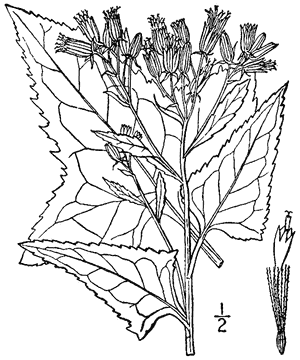
Hasteola suaveolens (Hasteola suaveolens)
Also known as: False Indian Plantain
Hasteola suaveolens is a tall, perennial herb that can reach heights of up to 2.5 meters. This plant is hairless and typically unbranched below its flower clusters. The leaves are spearhead-shaped, ranging from 10 to 25 cm in length and 5 to 15 cm in width, featuring serrated edges. The plant's flowers are arranged in flat-topped clusters, with each flower head containing 18–55 white or pale yellow disc florets, but no ray florets. The fruit produced is a cypsela, equipped with a pappus of white bristles.
In This Article
Attributes of Hasteola suaveolens
Lifespan
Perennial
Plant Type
Herb
Plant Height
91 cm to 1.5 m
Spread
Approximately 0.5 meters (1.6 feet)
Leaf Color
Green
Flower Size
Up to 1 centimeter (0.4 inches)
Flower Color
White Yellow Green
Images of Hasteola suaveolens
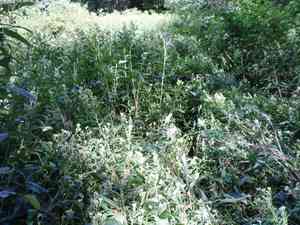

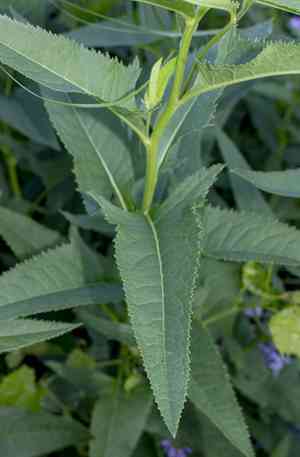
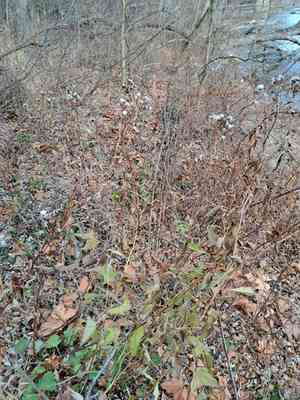
Quickly Identify Hasteola suaveolens
1
This plant can be identified by its tall stature, broad lance-shaped leaves with distinct veining, and clusters of small white flowers that appear in late summer. The robust, unbranched stems and the unique sweet scent of its flowers are also key identifiers.
Scientific Classification of Hasteola suaveolens
Phylum
Vascular plants
Class
Dicotyledons
Order
Asterales
Family
Daisy
Genus
Hasteola
Species
Hasteola suaveolens
Planting and Growing of Hasteola suaveolens
Care Difficulty
Moderate
Watering Schedule
Every 2 days
Sunlight Requirements
Partial sun
Sunshine Duration
8-12 hours
Ideal Temperature
60-75℉
Soil Type
Potting Mix, Peat Mix
Soil pH
6.5-7.5
Fertilizer Type
Balanced
Pruning Season
Spring, Summer
Pruning Area
Branches, Leaves
Pruning Frequency
2 times a year
Repotting Season
Spring
Pot Type
Plastic, Ceramic
 How to Water Hasteola suaveolens?
For Hasteola suaveolens, a consistent watering of about 500 ml should maintain adequate soil moisture without waterlogging. Ensure the soil is moist but not soggy by allowing the top inch to dry before the next watering.
What are the symptoms of an underwatered Hasteola suaveolens?
›
What should I do if my Hasteola suaveolens is not getting enough water?
›
What are the symptoms of an overwatered Hasteola suaveolens?
›
How to save an overwatered Hasteola suaveolens?
›
 What Are the Sunlight Requirements for Hasteola suaveolens?
Partial sunlight with occasional full shade is ideal for Hasteola suaveolens. Such lighting aids in balanced growth, sustaining vigor while reducing stress from extreme sun exposure.
What is the best location for Hasteola suaveolens?
›
How to ensure Hasteola suaveolens gets sufficient light?
›
What happens if Hasteola suaveolens receives ideal lighting conditions?
›
 What Is the Ideal Temperature Range for Hasteola suaveolens?
The ideal temperature range for Hasteola suaveolens lies between 60°F and 75°F. This range promotes optimal growth, ensuring the plant develops healthy stems and foliage. Maintaining this temperature can provide the plant with the necessary environmental comfort, avoiding stress and promoting its natural growth cycle.
 What Soil is Best for Hasteola suaveolens?
Hasteola suaveolens thrives in well-drained soil to prevent root rot. This ensures that the delicate balance of moisture is maintained, supporting robust growth and minimizing the risk of fungal issues. This plant benefits from soil with moderate nutrient levels, which supports steady growth. Overly rich soil can lead to excessive foliage at the expense of flowering, so balance is key. While good drainage is crucial, Hasteola suaveolens also requires consistent moisture to support its growth throughout the warmer months. A mulch layer can be helpful in retaining soil moisture and keeping the roots cool.
 How to Fertilize Hasteola suaveolens?
For Hasteola suaveolens, appropriate fertilizer application is crucial. A balanced all-purpose fertilizer with an N-P-K ratio such as 10-10-10 is recommended. Apply about 1/4 cup of granular fertilizer per plant or follow the liquid fertilizer instructions according to packaging, ensuring thorough soil saturation without runoff.
 How to Prune Hasteola suaveolens?
Begin by removing any dead or diseased stems, as this encourages new growth and prevents the spread of disease. Use clean, sharp shears to make clean cuts just above a node, which will help stimulate the plant to produce new shoots. Prune back the tallest stems to encourage a bushier shape, which is aesthetically pleasing and promotes better airflow through the plant. Regularly trimming the tops also prevents the plant from becoming leggy and unsightly.
More About Pruning Techniques→
 How to Propagate Hasteola suaveolens plant?
1
Collect seeds from mature plants and clean them thoroughly. Soak the seeds in water for 24 hours to improve germination rates before sowing them in a seed-starting mix.
2
Select healthy, non-flowering stems and cut them 4-6 inches long. Remove the leaves from the lower half and dip the cut end in a rooting hormone before placing it in a suitable growing medium.
3
Carefully dig up the plant and separate the roots into sections, each containing at least one growth node. Replant the divisions immediately into well-prepared soil and water thoroughly.
 How to Repot Hasteola suaveolens plant?
1
Look for signals like roots circling the pot's surface or emerging from drainage holes. When growth seems stunted or the soil dries out too quickly, it indicates readiness for repotting. Ideally, 2-3 years is a good benchmark.
2
Select a pot 1-2 inches larger in diameter than the current one to allow room for root growth. Opt for pots with good drainage to prevent root rot. Clay pots are ideal as they help manage soil moisture effectively.
3
Choose a soil rich in organic matter and well-draining to provide nutrients while preventing waterlogging. A soil mix containing peat, perlite, and compost works wonders, promoting healthy root growth and aeration.



