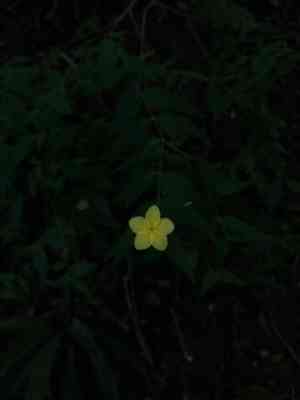
Haplophyton cimicidum (Haplophyton cimicidum)
Also known as: Greenleaf, Bugbane
Haplophyton cimicidum is a resilient, low-growing shrub well-suited to arid environments. It has narrow leaves and small, tubular flowers that emit a strong, often unpleasant odor, deterring herbivores. The plant's deep root system and drought-resistant traits enable it to access water and nutrients from deeper soil layers, making it well-adapted to survive in tough, rocky soils where other plants may struggle.
In This Article
Attributes of Haplophyton cimicidum
Lifespan
Perennial
Plant Type
Herb
Plant Height
30-60 cm (12-24 inches)
Spread
N/A
Leaf Color
Green
Flower Size
1 cm (0.4 inches)
Flower Color
Greenish-yellow
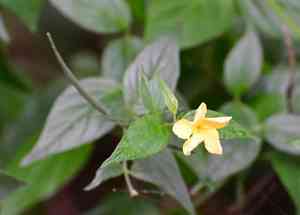
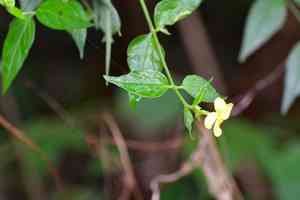
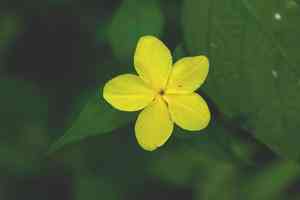
Images of Haplophyton cimicidum
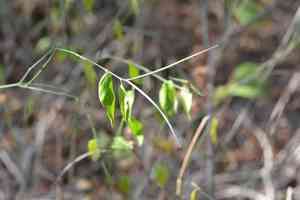
Quickly Identify Haplophyton cimicidum
1
Haplophyton cimicidum can be identified by its small, greenish-yellow flowers and broad, ovate leaves which have a distinct vein pattern. The plant also tends to grow in rocky soils.
Scientific Classification of Haplophyton cimicidum
Phylum
Vascular plants
Class
Dicotyledons
Order
Gentianales
Family
Dogbane
Genus
Haplophyton
Species
Haplophyton cimicidum
Planting and Growing of Haplophyton cimicidum
Care Difficulty
Hard
Watering Schedule
Every 2 days
Sunlight Requirements
Partial sun
Sunshine Duration
4-8 hours
Ideal Temperature
60-75℉
Soil Type
Potting Mix, Peat Mix
Soil pH
6.5-7.5
Fertilizer Type
Balanced
Pruning Season
Spring, Summer
Pruning Area
Branches, Leaves
Pruning Frequency
2 times a year
Repotting Season
Spring
Pot Type
Plastic, Ceramic
 How to Water Haplophyton cimicidum?
The water amount for Haplophyton cimicidum should be about 250ml per session. Make sure the top inch of soil dries out between waterings. Thoroughly soak the root zone until water starts to seep out at the bottom of the pot. This ensures deep penetration of water and encourages root growth.
What are the symptoms of an underwatered Haplophyton cimicidum?
›
What should I do if my Haplophyton cimicidum is not getting enough water?
›
What are the symptoms of an overwatered Haplophyton cimicidum?
›
How to save an overwatered Haplophyton cimicidum?
›
 What Are the Sunlight Requirements for Haplophyton cimicidum?
Thrives in partial sun conditions where sunlight is not uninterrupted, ensuring vibrant blooms and resistant foliage without the risk of sunburn.
Solution for Ideal Lighting
›
Step-by-Step Action Plan
›
Benefits of Ideal Lighting
›
 What Is the Ideal Temperature Range for Haplophyton cimicidum?
The ideal temperature range for Haplophyton cimicidum growth is between 60°F to 75°F. This range ensures optimal photosynthesis and nutrient uptake, resulting in healthy growth and vibrant foliage.
 What Soil is Best for Haplophyton cimicidum?
Haplophyton cimicidum thrives in nutrient-rich soil, which supports its robust root development and overall plant health. Fertile soil provides essential nutrients and promotes vibrant growth, contributing to its ecological role and aesthetic appeal. Proper drainage is crucial for Haplophyton cimicidum as it prevents root rot and other water-related issues. Well-drained soil ensures the roots receive necessary aeration and helps maintain an optimal moisture balance for a healthy plant. Aeration in soil is vital for Haplophyton cimicidum. It allows oxygen to reach the plant roots, facilitating efficient nutrient uptake and supporting vigorous plant growth. Proper soil aeration also enhances microbial activity necessary for organic matter breakdown.
 How to Fertilize Haplophyton cimicidum?
For Haplophyton cimicidum, the recommended fertilizer amount should be modest. When using liquid fertilizer, dilute it to half the strength suggested on the package, applying it evenly around the base of the plant. For slow-release fertilizers, use about 50 grams per plant annually, scattering it lightly on the soil surface and gently raking it in to ensure even distribution and gradual absorption.
 How to Prune Haplophyton cimicidum?
The first step in pruning Haplophyton cimicidum is to remove any dead, diseased, or damaged stems. Use sharp, clean scissors to make precise cuts close to the base of the damaged area to minimize shock and encourage new growth. Once dead growth is removed, move on to shaping the plant. Aim for an open shape that allows light and air circulation to the inner parts of the plant. Cut back straggly or excessively long stems to maintain a pleasing shape and structure. To encourage your Haplophyton cimicidum to grow bushier, prune the tips of long stems. This will stimulate growth of lateral shoots, resulting in a denser and more attractive plant.
More About Pruning Techniques→
 How to Propagate Haplophyton cimicidum plant?
1
Collect seeds from mature Haplophyton cimicidum plants in early autumn. Ensure they are fully mature and dry before storing in a cool, dry place until spring.
2
Select healthy stems and cut them using pruning shears. Cut below a node and remove lower leaves, keeping only the top pair of leaves intact.
3
Plant seeds or cuttings in a soil mix with good drainage. Water lightly to keep the soil moist but not waterlogged. Maintain consistent watering as needed.
 How to Repot Haplophyton cimicidum plant?
1
Repot Haplophyton cimicidum when you notice roots starting to grow through drainage holes or when growth appears stunted. These are clear signals that the plant has outgrown its current home and needs more space to thrive.
2
Select a pot that is one size larger than the current one and has good drainage holes. A properly sized pot ensures that the plant has room to grow while preventing water from accumulating in the bottom, promoting healthy root development.
3
Opt for a well-draining sandy soil mix to mimic the plant's natural habitat. This type of soil allows excess water to drain quickly, preventing root rot and ensuring the plant receives adequate airflow.
Toxicity
Ingestion, Parenteral routes
WARNING
The judgment on toxicity and danger is for reference only. We DO NOT GUARANTEE any accuracy of such judgment. Therefore, you SHALL NOT rely on such judgment. It is IMPORTANT TO SEEK PROFESSIONAL ADVICE in advance when necessary.
Learn More About Haplophyton cimicidum Diseases
Anthracnose
Bacterial Leaf Spot
Bacterial Soft Rot
Bacterial Wilt
Black Spot
Chemical Injury
Crown Gall
Cyst Nematode
Damping-off
Downy Mildew
Drought Stress
Fusarium Wilt
Gray Mold
Leaf Curl
Leaf Spot
Mosaic
Nutrient Deficiency
Nutrient Toxicity
Powdery Mildew
Root Rot
Root-knot Nematode
Rusts
Sooty Mold
Spider Mites
Temperature Stress
Thrips Damage
White Mold



