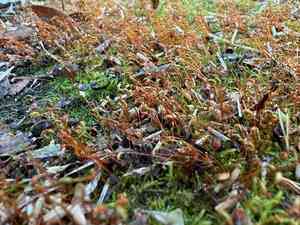
Haplocladium microphyllum (Haplocladium microphyllum)
Also known as: Microleaf Haplocladium
**Pohlia nutans** is a small terrestrial moss that typically grows up to about 5 cm in width. It features irregular stems and triangular leaves, ranging in color from deep green to light green. As it develops, it forms tiny mats and, like many other mosses, contributes to oxygen production in its environment.
In This Article
Attributes of Haplocladium microphyllum
Lifespan
Perennial
Plant Type
Moss
Plant Height
1-2 cm
Spread
Not applicable
Leaf Color
Light to dark green
Flower Size
Not applicable
Flower Color
Not applicable
Images of Haplocladium microphyllum
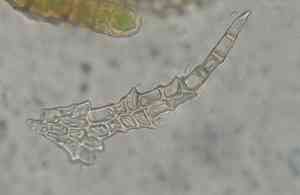
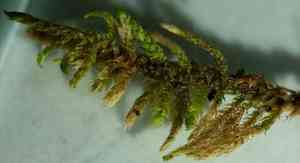
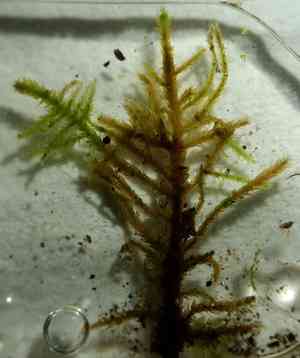
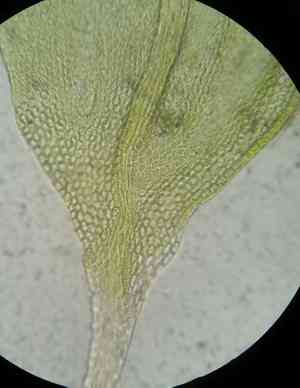
Quickly Identify Haplocladium microphyllum
1
This moss can be identified by its small, delicate, and densely packed leaves which are arranged in a pinnate pattern. Its leaves are typically 0.5 to 1 mm long and have a light to dark green appearance.
Scientific Classification of Haplocladium microphyllum
Phylum
Mosses
Class
True mosses
Order
Hypnales
Family
Thuidiaceae
Genus
Haplocladium
Species
Haplocladium microphyllum
Planting and Growing of Haplocladium microphyllum
Care Difficulty
Moderate
Watering Schedule
Every 2 days
Sunlight Requirements
Partial sun
Sunshine Duration
6-10 hours
Ideal Temperature
60-75℉
Soil Type
Potting Mix, Peat Mix
Soil pH
6.5-7.5
Fertilizer Type
Balanced
Pruning Season
Spring, Summer
Pruning Area
Branches, Leaves
Pruning Frequency
2 times a year
Repotting Season
Spring
Pot Type
Plastic, Ceramic
 How to Water Haplocladium microphyllum?
Haplocladium microphyllum needs about 200 ml of water per session. The watering should be thorough but ensure that water drains well and does not pool at the base. The soil should feel evenly moist but not waterlogged.
What are the symptoms of an underwatered Haplocladium microphyllum?
›
What should I do if my Haplocladium microphyllum is not getting enough water?
›
What are the symptoms of an overwatered Haplocladium microphyllum?
›
How to save an overwatered Haplocladium microphyllum?
›
 What Are the Sunlight Requirements for Haplocladium microphyllum?
Haplocladium microphyllum prefers partial sun to full shade. With this range, the plant benefits from balanced light exposure, promoting steady growth and maintaining optimal moisture levels.
Preferred Environment
›
Solutions for Ideal Lighting
›
Benefits of Ideal Lighting
›
 What Is the Ideal Temperature Range for Haplocladium microphyllum?
Haplocladium microphyllum thrives best in temperatures ranging from 60°F to 75°F. This temperature range provides an optimal growing environment, minimizing stress and optimizing photosynthesis efficiency for robust growth.
 What Soil is Best for Haplocladium microphyllum?
Haplocladium microphyllum thrives in nutrient-rich soil that provides essential minerals for growth and vitality. Loamy soil, with its balanced mixture of sand, silt, and clay, ensures that the plant roots have access to a diverse range of nutrients necessary for photosynthesis and overall health. This plant prefers soil with good drainage to prevent waterlogging, which can lead to root rot. Sandy loam, known for its excellent drainage properties, allows excess water to escape while retaining sufficient moisture, supporting the plant's healthy root development and growth. Haplocladium microphyllum benefits from soil that retains enough moisture without being overly wet. Peat soil, with its high organic matter content, holds moisture effectively, ensuring that the plant remains hydrated even during dry spells, which enhances its lifespan and resilience.
 How to Fertilize Haplocladium microphyllum?
For Haplocladium microphyllum, it is crucial to keep the fertilizer amount moderate. Use a diluted liquid fertilizer solution, such as 10-10-10 or 20-20-20 NPK, at 1/4 of the recommended concentration for general houseplants. This plant thrives better with less nutrient stress, so ensure not to exceed the given concentration.
 How to Prune Haplocladium microphyllum?
Start by carefully inspecting the plant for any yellowing or discolored leaves. These should be your primary target for removal as they can divert energy away from healthier parts of the plant. Regularly trim back any overgrown sections to maintain the plant's compact appearance. Make cuts just above a node (where leaves attach) to encourage bushier growth. Haplocladium microphyllum thrives when maintained in a desired shape. Regularly assess the plant’s appearance and make cuts to keep the plant within your designated dimensions. This also helps with light penetration and air circulation. After pruning, clear away any plant debris that has fallen to the ground. This is crucial in preventing fungal infections and maintaining a healthy growing environment.
 How to Propagate Haplocladium microphyllum plant?
1
Carefully remove the plant from its pot, taking care not to damage the roots. Cleansing the roots of old soil can help you see where natural divisions might occur.
2
Use a sharp knife to divide the root ball into sections. Each section should have a healthy amount of roots and foliage to ensure successful growth in new pots.
3
Plant the divided sections into pots filled with a suitable potting mix. Water thoroughly and place them in a suitable spot to allow the plants to recover from the division.
 How to Repot Haplocladium microphyllum plant?
1
Haplocladium microphyllum often needs repotting when roots overfill the pot or growth stalls. This moss thrives with fresh soil to supply nutrients. Check the pot for overcrowding, especially if you notice diminished foliage or browning edges.
2
Select a pot that is slightly larger than the current one, with good drainage holes. The added space allows the roots to spread without waterlogging, reducing the risk of root rot and encouraging robust growth.
3
Opt for a moist, well-draining soil mix rich in organic content. This ensures the moss retains the moisture it needs without becoming sodden, preventing fungal growth and maintaining healthy plant structure.

