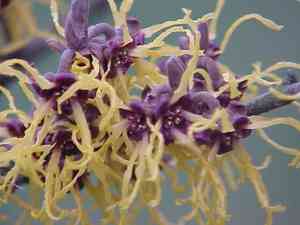
Witch hazels (Hamamelis) (Hamamelis)
Also known as: Witch Hazel, Snapping Hazel, Winterbloom
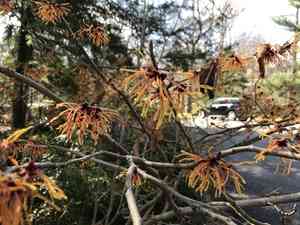
Witch hazels are a small genus of flowering shrubs and trees known for their ornamental value. Their distinctive flowers, which are yellow or orange-red with four ribbon-like petals, often bloom in fall or winter. The Latin name, *Hamamelis*, translates to "together with fruit," highlighting that the plant can bear both flowers and fruit simultaneously.
In This Article
Attributes of Witch hazels (Hamamelis)
Lifespan
Perennial
Plant Height
4.5 m
Spread
4 m
Leaf Color
Green in spring and summer, yellow to orange in fall
Flower Size
1 to 1.5 inches (2.5 to 3.8 cm)
Flower Color
Yellow, orange, red
Images of Witch hazels (Hamamelis)
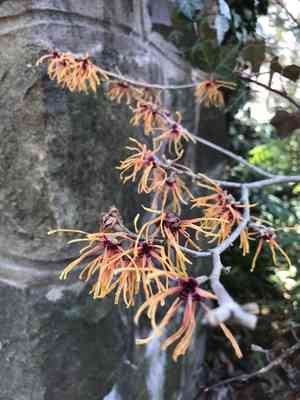
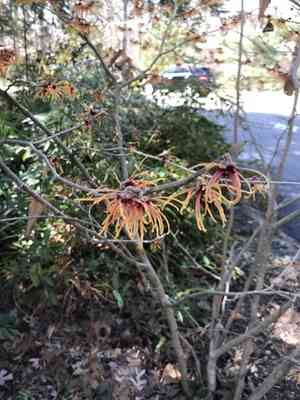
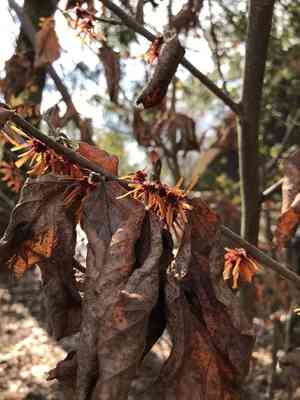
Quickly Identify Witch hazels (Hamamelis)
1
Hamamelis can be identified by their uniquely twisted, ribbon-like petals and the timing of their bloom, which occurs in the late fall to early spring when most other plants are dormant.
Scientific Classification of Witch hazels (Hamamelis)
Phylum
Magnoliophyta
Class
Magnoliopsida
Order
Saxifragales
Family
Hamamelidaceae
Genus
Hamamelis
Planting and Growing of Witch hazels (Hamamelis)
Care Difficulty
Moderate
Watering Schedule
Every 4 days
Sunlight Requirements
Full sun
Sunshine Duration
4-8 hours
Ideal Temperature
60-75℉
Soil Type
Potting Mix, Peat Mix
Soil pH
6.5-7.5
Fertilizer Type
Balanced
Pruning Season
Spring, Summer
Pruning Area
Branches, Leaves
Pruning Frequency
2 times a year
Repotting Season
Spring
Pot Type
Plastic, Ceramic
 How to Water Witch hazels (Hamamelis)?
Hamamelis requires moderate watering. Ideally, each watering session should provide around 500 ml of water. This ensures the soil remains moist but never waterlogged. It's important to water the plant until the soil is thoroughly damp but allow excess water to drain away freely. Proper drainage will help prevent root rot and ensure the plant's health.
What are the symptoms of an underwatered Witch hazels (Hamamelis)?
›
What should I do if my Witch hazels (Hamamelis) is not getting enough water?
›
What are the symptoms of an overwatered Witch hazels (Hamamelis)?
›
How to save an overwatered Witch hazels (Hamamelis)?
›
 What Are the Sunlight Requirements for Witch hazels (Hamamelis)?
Hamamelis ideally requires 3-6 hours of sunlight. This light exposure supports vigorous growth and enhances flower production, boosting its visual appeal and resilience.
What is the best light condition for Hamamelis?
›
How can you achieve ideal lighting for Hamamelis?
›
What are the benefits of ideal lighting for Hamamelis?
›
 What Is the Ideal Temperature Range for Witch hazels (Hamamelis)?
The ideal temperature range for Hamamelis growth is between 60°F and 75°F. Within this temperature zone, the plants can successfully photosynthesize and perform all necessary physiological processes optimally. This temperature range mimics the conditions of their natural habitat, ensuring healthy growth and vibrant flowering.
 What Soil is Best for Witch hazels (Hamamelis)?
Hamamelis requires well-drained soil to prevent root rot, which can severely hamper their health. Ensuring that water can easily flow through the soil helps prevent waterlogging, ensuring healthy root development and overall plant vitality. Incorporating organic matter like compost boosts the nutrients in the soil, promoting vigorous growth and vibrant foliage, which are essential for Hamamelis' overall health and flowering potential. While well-drained, the soil must also retain adequate moisture to support Hamamelis without drying out rapidly. This balance helps maintain consistent hydration, crucial for their growth and blooming performance.
 How to Fertilize Witch hazels (Hamamelis)?
Hamamelis prefers a gentle fertilization approach. Use a balanced liquid fertilizer, mixing it to half the recommended strength. Ensure the total nutrient application doesn’t exceed 200 grams per year to avoid stress on the plant.
 How to Prune Witch hazels (Hamamelis)?
To prune Hamamelis, you will need sharp, clean pruning shears or loppers for thicker branches. Using proper tools ensures clean cuts, which reduces stress on the plant and helps prevent infection. When pruning, make cuts at a 45-degree angle away from the bud to encourage new growth and prevent water from accumulating on the cut surface, which could lead to rot. Ensure that you're pruning to open up the plant's center to facilitate good air circulation. This helps reduce the risk of fungal diseases and keeps the plant looking lush and healthy.
 How to Propagate Witch hazels (Hamamelis) plant?
1
Hamamelis seeds should be collected in late autumn when the fruit starts to open. Proper timing and handling are crucial to ensure seed viability.
2
Select healthy, semi-hardwood cuttings in early summer. Trim them to about 6 inches, ensuring to include several leaf nodes, which are essential for root development.
3
Choose healthy rootstock for grafting in early spring. Make precise cuts and align the cambium layers to increase the chances of successful graft union.
 How to Repot Witch hazels (Hamamelis) plant?
1
Repotting is best indicated when Hamamelis shows signs of stunted growth or root circling at the pot's base. Another clear signal is when water doesn’t drain well, indicating compacted soil, or when roots are visibly emerging from drainage holes.
2
Select a pot with good drainage and a size just a bit larger than the current one. The pot should allow 1-2 inches of extra space around the root ball, which prevents root rot and allows healthy root growth, ensuring the plant thrives.
3
Opt for a well-draining, acidic soil mix. This mimics Hamamelis's natural environment and prevents waterlogging, ensuring brilliant blooms and maintaining the plant’s health with sufficient nutrient access.

