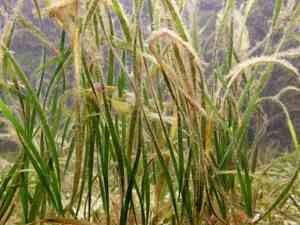
Shoalweed (Halodule wrightii)
Also known as: Shoal grass, Shoe grass
In some publications, US specimens are referred to by the synonym "Halodule beaudettei," though it is the same species.
In This Article
Attributes of Shoalweed
Lifespan
Perennial
Plant Type
Herb
Plant Height
10-20 cm
Spread
N/A
Leaf Color
Green
Flower Size
N/A
Flower Color
N/A
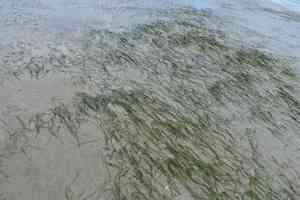
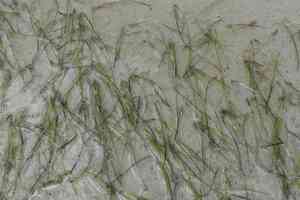
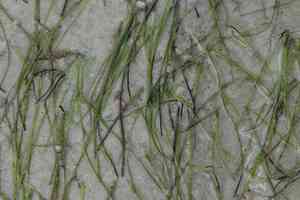
Images of Shoalweed

Quickly Identify Shoalweed
1
Halodule wrightii can be identified by its narrow, flat, ribbon-like leaves that are typically 10-20 cm in length. The leaves have a distinctive central vein and are arranged in an alternate pattern.
Scientific Classification of Shoalweed
Phylum
Vascular plants
Class
Monocotyledons
Order
Alismatales
Family
Manatee gras
Genus
Halodule
Species
Shoalweed
Planting and Growing of Shoalweed
Care Difficulty
Moderate
Watering Schedule
Every 4 days
Sunlight Requirements
Partial sun
Sunshine Duration
4-6 hours
Ideal Temperature
68-86℉
Soil Type
Potting Mix, Peat Mix
Soil pH
6.5-8.5
Fertilizer Type
Balanced
Pruning Season
Spring, Summer
Pruning Area
Branches, Leaves
Pruning Frequency
2 times a year
Repotting Season
Spring
Pot Type
Plastic, Ceramic
 How to Water Shoalweed?
Halodule wrightii prefers being submerged in shallow waters, so when watering, ensure the plant is completely covered with water, mimicking its natural aquatic habitat. Aim for around 300 ml of water during each session to maintain optimal conditions.
What are the symptoms of an underwatered Shoalweed?
›
What should I do if my Shoalweed is not getting enough water?
›
What are the symptoms of an overwatered Shoalweed?
›
How to save an overwatered Shoalweed?
›
 What Are the Sunlight Requirements for Shoalweed?
Halodule wrightii thrives optimally with partial sun exposure, benefiting from filtered light that enhances photosynthesis, leading to healthy, vigorous growth.
What kind of environment does Halodule wrightii thrive in?
›
How can I ensure Halodule wrightii gets the ideal amount of light?
›
What are the benefits of providing Halodule wrightii with its ideal lighting conditions?
›
 What Is the Ideal Temperature Range for Shoalweed?
Halodule wrightii thrives best in temperature ranges from 68°F to 86°F. This range supports optimal growth and cellular activities, ensuring the plant's metabolic processes work efficiently. Maintaining this temperature balance is crucial for its photosynthesis and nutrient uptake.
 What Soil is Best for Shoalweed?
Halodule wrightii thrives in nutrient-rich soils which sustain its vigorous growth. Ensuring high nutrient availability can enhance its photosynthetic efficiency and promote lush foliage. The plant requires soil that offers excellent drainage, preventing root rot due to waterlogging. Good drainage also allows roots to access oxygen efficiently, fostering strong plant health. Moderate organic matter helps in maintaining a suitable texture and provides slow-releasing nutrients, crucial for the steady growth of Halodule wrightii.
 How to Fertilize Shoalweed?
For Halodule wrightii, a light fertilizer application is best. Use a diluted liquid fertilizer solution of no more than 20 parts per million of nitrogen monthly. For solid fertilizers, use 5 grams per square meter annually.
 How to Prune Shoalweed?
Start by assessing the overall condition of the plant. Use sharp and clean scissors or shears to make precise cuts. Trim back any discolored or damaged leaves to encourage healthier growth. Focus on thinning out areas where the grass is particularly dense to improve water flow and light penetration. Make sure to cut the blades of seagrass at an angle to mimic natural leaf tearing, preventing stress to the plant.
More About Pruning Techniques→
 How to Propagate Shoalweed plant?
1
Choose a robust and healthy Halodule wrightii plant as the source for division. Look for vibrant, green leaves, and avoid any plants showing signs of disease or stress. A healthy parent plant increases the success rate of propagation and ensures vigorous offspring.
2
Prepare a suitable soil or substrate that mimics the plant's natural environment. Opt for a sandy or muddy substrate with good nutrient content. Proper substrate preparation aids in establishing the divided plants more securely and supports long-term growth.
3
Using a sterilized knife or scissors, carefully divide the plant into sections with roots and leaves. Ensure each section has adequate roots to support initial growth. Handle the divisions with care to avoid damaging essential plant tissues, which could compromise their ability to thrive.
 How to Repot Shoalweed plant?
1
Halodule wrightii shows signs of needing repotting when its root system begins to outgrow the current container. Additionally, if the growth has slowed or the plant seems unhealthy, these may be signals that it's time for a change. It's best to repot during its growing season, notably in Spring or Summer, when the plant can recover quickly from being moved.
2
Opt for a pot that offers good drainage features and is slightly bigger than the current one to allow room for growth. A broader and shallower container that mimics its natural habitat conditions can be beneficial. This choice ensures the roots have enough space and reduces the risk of overwatering, maintaining an optimal growth environment for Halodule wrightii.
3
Select a sandy substrate mix that closely mimics its natural aquatic environment. This type of soil not only supports proper root anchorage but also allows for good water movement and drainage, thereby preventing root rot while supplying adequate nutrients.



