Haematoxylum (Haematoxylum) (Haematoxylum)
Also known as: Logwood, Bloodwood
Haematoxylum is a genus of flowering plants within the legume family, Fabaceae. It is part of the subfamily Caesalpinioideae and falls under the tribe Caesalpinieae.
In This Article
Attributes of Haematoxylum (Haematoxylum)
Lifespan
Perennial
Plant Height
5 to 15 meters
Spread
Around 8 meters
Leaf Color
Green
Flower Size
Around 1 to 3 cm
Flower Color
Yellow
Images of Haematoxylum (Haematoxylum)

Quickly Identify Haematoxylum (Haematoxylum)
1
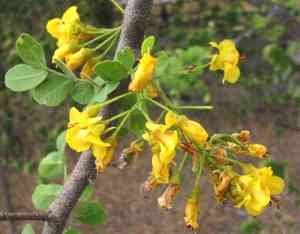
Haematoxylum can be identified by its thorny branches, small pinnate leaves, and clusters of yellow flowers. The heartwood is dark-colored and is known for producing a reddish dye.
Scientific Classification of Haematoxylum (Haematoxylum)
Phylum
Tracheophyta
Class
Magnoliopsida
Order
Fabales
Family
Fabaceae
Genus
Haematoxylum
Planting and Growing of Haematoxylum (Haematoxylum)
Care Difficulty
Moderate
Watering Schedule
Every 2 days
Sunlight Requirements
Full sun
Sunshine Duration
4-8 hours
Ideal Temperature
70-85℉
Soil Type
Potting Mix, Peat Mix
Soil pH
6.5-7.5
Fertilizer Type
Balanced
Pruning Season
Spring, Summer
Pruning Area
Branches, Leaves
Pruning Frequency
2 times a year
Repotting Season
Spring
Pot Type
Plastic, Ceramic
 How to Water Haematoxylum (Haematoxylum)?
When watering Haematoxylum, it is important to ensure the soil is adequately moist but not waterlogged. Aiming to provide around 150 ml of water each time is generally sufficient, allowing the soil to absorb moisture evenly while avoiding excess. The goal is to moisten the root zone thoroughly without allowing water to pool at the surface.
What are the symptoms of an underwatered Haematoxylum (Haematoxylum)?
›
What should I do if my Haematoxylum (Haematoxylum) is not getting enough water?
›
What are the symptoms of an overwatered Haematoxylum (Haematoxylum)?
›
How to save an overwatered Haematoxylum (Haematoxylum)?
›
 What Are the Sunlight Requirements for Haematoxylum (Haematoxylum)?
Haematoxylum grows best with full to partial sun—ideally 6-8 hours. This light level ensures vibrant leaf coloration and a robust structure, boosting photosynthetic efficiency.
How much direct sunlight is ideal?
›
Can it tolerate partial sun?
›
What happens with ideal sunlight exposure?
›
 What Is the Ideal Temperature Range for Haematoxylum (Haematoxylum)?
The optimal temperature range for growing Haematoxylum is between 70°F and 85°F. Within this range, the plant exhibits robust growth, as these conditions closely mimic the natural habitats of this species. A stable environment respecting this range ensures the plant maintains healthy foliage and blooms.
 What Soil is Best for Haematoxylum (Haematoxylum)?
Haematoxylum thrives in well-draining soil as it helps prevent waterlogging, which can lead to root rot. A mix of loam and sandy soil allows excess water to drain quickly, maintaining a balance of moisture ideal for healthy root systems. The plant benefits from a soil rich in organic matter, which provides essential nutrients for growth. Incorporating organic compost or well-aged manure can significantly enhance soil fertility, promoting robust plant development. With a preferred pH range of 6.5 to 7.5, the soil should be neutral to slightly alkaline. This pH range ensures optimal nutrient uptake and prevents micronutrient deficiencies that can impede plant growth.
 How to Fertilize Haematoxylum (Haematoxylum)?
For Haematoxylum, moderate fertilization is key. Use a balanced fertilizer with an NPK ratio of 10-10-10. When using liquid fertilizer, apply approximately 1 to 2 teaspoons per gallon of water. For granular fertilizer, spread about 2 ounces per square foot to ensure even nutrient distribution.
 How to Prune Haematoxylum (Haematoxylum)?
Begin by removing any dead, damaged, or diseased branches. This promotes overall health and prevents pests from colonizing damaged areas. Focus on opening up the center of the plant to improve sunlight exposure and air circulation. When making cuts, try to cut just above a leaf node or bud, at a 45-degree angle. This helps direct moisture away from the cut and promotes healthier regrowth. Look for crossing branches and take out the least healthy one to maintain proper branch structure.
 How to Propagate Haematoxylum (Haematoxylum) plant?
1
To propagate by seed, start by preparing a seed bed with well-draining soil. Sow the seeds at a depth of twice their size and cover them lightly with soil. Water gently to keep the soil moist but not waterlogged.
2
For cutting propagation, choose a healthy and mature stem at least 10 cm long. Make a cut just below a node using sharp, sterilized shears. Remove excess leaves to reduce moisture loss.
3
Dip the cut end of the stem in rooting hormone to encourage root growth and plant it in a pot filled with quality potting mix. Ensure the cutting is planted deep enough to stand upright and water well.
 How to Repot Haematoxylum (Haematoxylum) plant?
1
Repotting is needed when you notice the roots are circling the pot's interior, or they poke through drainage holes. Yellowing leaves, wilting, or stunted growth are indicators too. Typically, inspect the plant in spring or summer to determine its needs.
2
Choose a pot that is 2 inches larger in diameter than the current one, with ample drainage holes. This helps prevent waterlogging, promoting healthy root growth and avoiding root rot. Opt for clay pots as they allow breathability compared to plastic ones.
3
Haematoxylum thrives in a well-draining sandy loam soil. This type of soil prevents root compaction and allows oxygen to reach the roots, promoting healthy growth. Avoid heavy clay soils that retain too much moisture, risking root rot.
Learn More About Haematoxylum (Haematoxylum) Diseases
Anthracnose
Bacterial Leaf Spot
Bacterial Wilt
Crown Gall
Cyst Nematode
Damping-off
Drought Stress
Fusarium Wilt
Gray Mold
Leaf Spot
Mosaic
Nutrient Deficiency
Nutrient Toxicity
Powdery Mildew
Root Rot
Root-knot Nematode
Rusts
Sooty Mold
Spider Mites
Temperature Stress
Thrips Damage
White Mold
Chemical Injury

