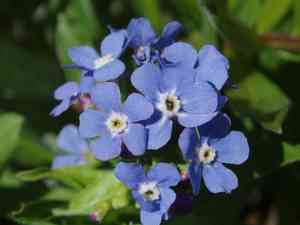
Velvet stickseed (Hackelia velutina)
Also known as: Velvet Stickseed
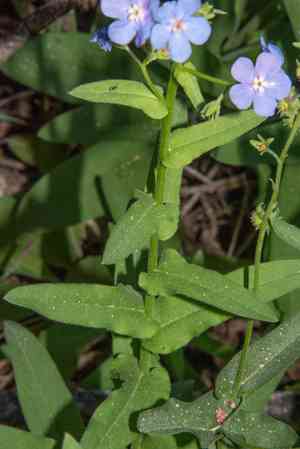
Velvet stickseed (Hackelia venusta) is a perennial herb known for its soft, velvety leaves. It displays clusters of bright blue flowers on upright stems, adding to its unique appeal. This plant prefers well-drained, rocky soils and flourishes in temperate climates. It does best in full sun to partial shade and is often found in alpine or subalpine regions. Its hardy nature allows it to adapt to various mountainous habitats, highlighting its resilience and ecological significance.
In This Article
Attributes of Velvet stickseed
Lifespan
Biennial
Plant Type
Herb
Plant Height
30-90 cm
Spread
Not particularly pronounced, generally narrow, given the herbaceous nature
Leaf Color
Green
Flower Size
0.5-1 cm
Flower Color
Blue to purple
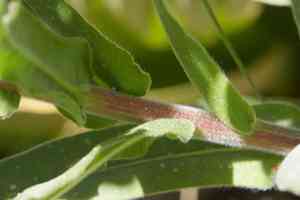
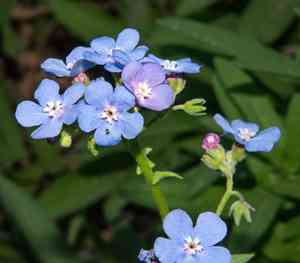
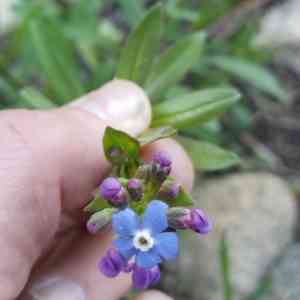
Images of Velvet stickseed
Quickly Identify Velvet stickseed
1
Identifiable by its rough, hairy leaves and stems, small blue or purple flowers, and typically grows in shaded mountainous areas.
Scientific Classification of Velvet stickseed
Phylum
Vascular plants
Class
Dicotyledons
Order
Boraginales
Family
Borage
Genus
Stickseeds
Species
Velvet stickseed
Planting and Growing of Velvet stickseed
Care Difficulty
Moderate
Watering Schedule
Every 2 days
Sunlight Requirements
Partial sun
Sunshine Duration
4-8 hours
Ideal Temperature
60-75℉
Soil Type
Potting Mix, Peat Mix
Soil pH
6.5-7.5
Fertilizer Type
Balanced
Pruning Season
Spring, Summer
Pruning Area
Branches, Leaves
Pruning Frequency
2 times a year
Repotting Season
Spring
Pot Type
Plastic, Ceramic
 How to Water Velvet stickseed?
Hackelia velutina requires careful watering. Provide approximately 500 ml of water per session, enough to ensure moisture reaches deep into the soil without oversaturating the roots. Proper soil drainage is key to preventing water accumulation.
What are the symptoms of an underwatered Velvet stickseed?
›
What should I do if my Velvet stickseed is not getting enough water?
›
What are the symptoms of an overwatered Velvet stickseed?
›
How to save an overwatered Velvet stickseed?
›
 What Are the Sunlight Requirements for Velvet stickseed?
Partial sun ensures Hackelia velutina receives just enough light to maintain photosynthesis while minimizing stress. Ideal light enhances growth, leaf color, and overall plant resilience.
How to ensure ideal lighting for Hackelia velutina?
›
What are the solutions for achieving ideal lighting?
›
What benefits are achieved with ideal lighting?
›
 What Is the Ideal Temperature Range for Velvet stickseed?
Hackelia velutina thrives best in temperatures ranging from 60°F to 75°F. This moderate climate ensures the plant has enough warmth to stimulate growth without risking stress from excessive heat. Maintaining these conditions closely mimics its natural habitat, promoting healthy development.
 What Soil is Best for Velvet stickseed?
Hackelia velutina thrives in soil that drains well, as it helps prevent root rot by ensuring that water does not accumulate around the roots. This preference for well-drained soil provides the plant with a stable environment, reducing the risk of fungal infections and promoting healthier growth. A nutrient-rich soil is essential for the optimal growth of Hackelia velutina. This type of soil supports the plant's vigorous foliage and flower production by providing essential minerals and nutrients necessary for its development, contributing to its overall vitality. The plant prefers a soil texture that is light and airy, such as sandy loam or sandy soil, which allows roots to expand easily. A lighter soil texture promotes better aeration and water penetration, thereby enhancing the plant's access to vital resources.
 How to Fertilize Velvet stickseed?
Hackelia velutina benefits from a balanced approach in fertilization. Use a liquid fertilizer diluted to half strength, roughly 20-10-20 NPK ratio, applied at a rate of one tablespoon per gallon of water. For slow-release granular fertilizers, utilize a balanced formula, approximately 5-5-5 NPK, spreading it lightly over the soil at a rate of around one teaspoon per square foot of soil surface.
 How to Prune Velvet stickseed?
Begin by using sharp, clean pruning shears to remove any dead or damaged leaves and stems. Identify any particularly long or unruly branches, and trim them back to a leaf node or the main stem. Focus on shaping the plant to promote a balanced silhouette. For Hackelia velutina, it's crucial to thin out overly dense areas to allow more light penetration and air circulation. Carefully remove some of the older branches from the base of the plant, encouraging the growth of new shoots.
More About Pruning Techniques→
 How to Propagate Velvet stickseed plant?
1
Collect mature seeds from healthy Hackelia velutina plants in late summer. Ensure that the seeds are fully ripened and properly cleaned to maximize germination rates.
2
Fill the seed trays with potting mix, and lightly press the seeds into the surface. Water gently to avoid disturbing the seeds and place the trays in a location with ample indirect sunlight.
3
Monitor the humidity and temperature around the seeds closely. Aim for a consistent temperature of around 18-21°C (65-70°F) and keep the soil moist but not oversaturated. Germination typically occurs in 2-4 weeks.
 How to Repot Velvet stickseed plant?
1
Repotting Hackelia velutina is best done when you observe roots emerging from drainage holes or when the plant appears stunted, a sign it's outgrown its current container. Early spring is ideal to allow the plant time to acclimate before its active growth period.
2
Select a pot that's one or two sizes larger than the current pot. Opt for containers with excellent drainage to prevent root rot. A terracotta pot is ideal as it allows for better airflow and moisture evaporation, ensuring the roots do not stay overly wet.
3
Choose a well-drained loamy soil mixed with some sand, ensuring the roots can breathe while maintaining the right moisture levels. This soil type mimics Hackelia velutina's natural habitat, providing essential nutrients and preventing waterlogging.
Learn More About Velvet stickseed Diseases
Anthracnose
Bacterial Leaf Spot
Bacterial Wilt
Black Spot
Chemical Injury
Crown Gall
Cyst Nematode
Damping-off
Downy Mildew
Drought Stress
Fusarium Wilt
Gray Mold
Leaf Curl
Leaf Spot
Mosaic
Nutrient Deficiency
Nutrient Toxicity
Powdery Mildew
Root Rot
Root-knot Nematode
Rusts
Sooty Mold
Spider Mites
Temperature Stress
Thrips Damage
White Mold


