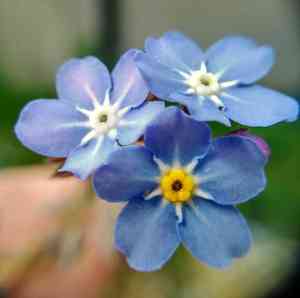
Sierra stickseed (Hackelia nervosa)
Also known as: Common Stickseed
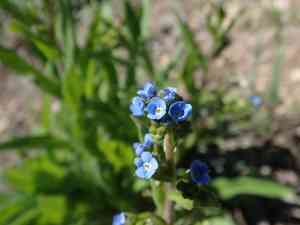
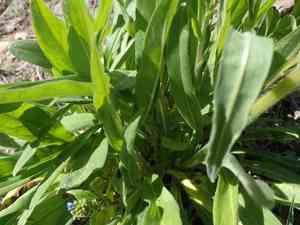
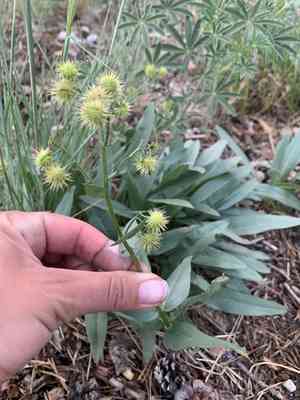
Sierra stickseed is a perennial herb characterized by its sturdy, upright stem and clusters of small, blue flowers. Its leaves are elongated and lance-shaped, with noticeable veins that create a textured look. This plant is commonly found in subalpine and alpine regions, thriving in moist, rocky soils and meadows at high elevations in the Sierra Nevada mountains. It is well-adapted to capturing limited sunlight in these environments.
In This Article
Attributes of Sierra stickseed
Lifespan
Biennial
Plant Height
30-60 cm
Spread
N/A
Leaf Color
Green
Flower Size
0.5 cm
Flower Color
Blue
Images of Sierra stickseed
Quickly Identify Sierra stickseed
1
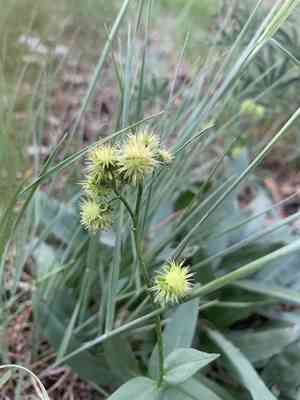
Hackelia nervosa can be identified by its rough-haired stems and leaves. The small, blue flowers are grouped in loose clusters, and the distinguishing feature is the barbed prickles on the seeds that stick to clothing and fur.
Scientific Classification of Sierra stickseed
Phylum
Tracheophyta
Class
Magnoliopsida
Order
Boraginales
Family
Boraginaceae
Genus
Hackelia
Planting and Growing of Sierra stickseed
Care Difficulty
Moderate
Watering Schedule
Every 3 days
Sunlight Requirements
Partial sun
Sunshine Duration
6-10 hours
Ideal Temperature
65-75℉
Soil Type
Potting Mix, Peat Mix
Soil pH
6.5-7.5
Fertilizer Type
Balanced
Pruning Season
Spring, Summer
Pruning Area
Branches, Leaves
Pruning Frequency
2 times a year
Repotting Season
Spring
Pot Type
Terracotta, Plastic
 How to Water Sierra stickseed?
Hackelia nervosa requires a moderate watering approach. Ensure the soil is kept evenly moist and water until excess moisture drains from the bottom of the pot. This usually translates to about 250ml per session, adjusting according to the plant's size and environment.
What are the symptoms of an underwatered Sierra stickseed?
›
What should I do if my Sierra stickseed is not getting enough water?
›
What are the symptoms of an overwatered Sierra stickseed?
›
How to save an overwatered Sierra stickseed?
›
 What Are the Sunlight Requirements for Sierra stickseed?
Partial sun ensures Hackelia nervosa thrives, balancing between direct exposure and shade. This condition helps promote lush foliage and steady growth without risk of burning or stunting.
How can I ensure Hackelia nervosa gets ideal light?
›
What tools can help achieve optimal light for Hackelia nervosa?
›
Why is controlling light important for Hackelia nervosa?
›
 What Is the Ideal Temperature Range for Sierra stickseed?
Hackelia nervosa thrives best in temperatures ranging from 65°F to 75°F. This range provides the optimal conditions for its growth, ensuring both proper metabolic functions and efficient nutrient uptake. Maintaining this temperature range helps avoid stress on the plant, promoting vibrant foliage and healthy flowering. Routine temperature checks are recommended to ensure the environment stays within this ideal range.
 What Soil is Best for Sierra stickseed?
Hackelia nervosa thrives in well-draining soil, which helps prevent root rot by allowing excess water to flow away quickly. This aspect ensures the plant roots remain healthy and can access necessary oxygen for growth. A nutrient-rich soil supports the robust growth of Hackelia nervosa by providing essential elements such as nitrogen, phosphorus, and potassium, which are critical for its development and flowering. While Hackelia nervosa isn't overly fond of waterlogged conditions, it does require soil that maintains a moderate level of moisture. This helps in ensuring consistent growth without stress from drought.
 How to Fertilize Sierra stickseed?
Hackelia nervosa benefits from a balanced approach to fertilizing. Use a liquid fertilizer with an NPK ratio of 10-10-10, diluted to half the recommended strength for most houseplants. A teaspoon per gallon of water is ample for this delicate plant.
 How to Prune Sierra stickseed?
Inspect Hackelia nervosa carefully, looking for any leaves or stems that are brown, wilted, or show signs of disease. Removing these parts helps redirect nutrients to stronger, healthier parts of the plant. When making cuts, always prune above a leaf node or bud to encourage new growth in the desired direction. This method promotes a denser and bushier appearance, enhancing the plant's natural beauty. If the plant appears too dense, selectively trim some of the growth to improve air circulation and light penetration. This step helps reduce the risk of fungal diseases and promotes a healthier overall plant structure.
More About Pruning Techniques→
 How to Propagate Sierra stickseed plant?
1
Begin by filling the seed tray with a well-draining potting mix. Sow the seeds evenly and cover them lightly with soil. Water gently to keep the soil moist but not waterlogged. Ensure the tray is placed in a warm area, ideally with temperatures around 20°C (68°F), to encourage germination.
2
In early autumn, dig up the mature plant carefully using a garden trowel. Gently shake off excess soil to reveal the root system. Use your hands to separate the plant into smaller clumps, ensuring each new section has its own set of roots. Replant these sections immediately into prepared soil.
3
Once the seeds germinate, continue to keep the soil moderately moist. As seedlings develop, gradually introduce them to more sunlight. Once they have several sets of true leaves, consider transplanting them to individual pots to encourage further growth before planting them in the garden.
 How to Repot Sierra stickseed plant?
1
Hackelia nervosa shows signs it needs repotting when you notice that roots are growing out of drainage holes or the plant seems top-heavy. Growth might be stunted, and the soil often dries out quickly after watering, signaling the roots need more space.
2
Select a pot that is about 2 inches larger in diameter than the old one. Ensure it has adequate drainage holes to prevent waterlogging. A pot made of breathable material like terracotta is ideal, as it helps excess moisture to evaporate, reducing the risk of root rot.
3
Opt for a well-draining, sandy loam soil to mimic its natural environment. This type of soil helps prevent water from sitting in the pot, thus protecting the root system from standing moisture and promoting healthy growth.
Learn More About Sierra stickseed Diseases
Anthracnose
Bacterial Leaf Spot
Bacterial Wilt
Crown Gall
Cyst Nematode
Damping-off
Downy Mildew
Drought Stress
Fusarium Wilt
Gray Mold
Leaf Spot
Mosaic
Nutrient Deficiency
Nutrient Toxicity
Powdery Mildew
Root Rot
Root-knot Nematode
Rusts
Sooty Mold
Spider Mites
Temperature Stress
Thrips Damage
White Mold


