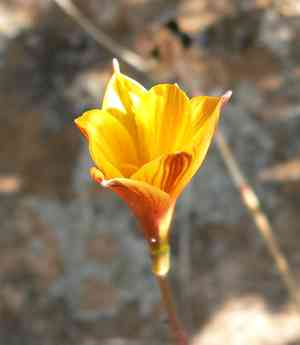
Rio grande copper lily (Habranthus tubispathus)
Also known as: Rain Lily, Copper Lily
The Bougainvillea is a vibrant flowering plant originally from the southern regions of South America. It is often grown as an ornamental plant in the southern United States and the West Indies. This plant thrives in sunny environments.
In This Article
Attributes of Rio grande copper lily
Lifespan
Perennial
Plant Type
Herb
Plant Height
15 cm to 30 cm
Spread
15 cm to 30 cm
Leaf Color
Green
Flower Size
1.9 cm to 3 cm
Flower Color
Orange Yellow Red
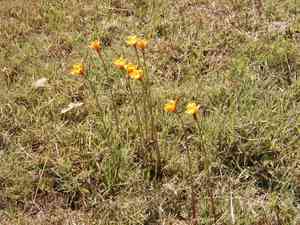
Images of Rio grande copper lily

Quickly Identify Rio grande copper lily
1
Habranthus tubispathus can be identified by its slender, grass-like leaves and the vibrant yellow or copper-colored, funnel-shaped flowers that bloom in response to rain. The flowers open during the day and close by evening.
Scientific Classification of Rio grande copper lily
Phylum
Vascular plants
Class
Monocotyledons
Order
Asparagales
Family
Amaryllis
Genus
Copperlily
Species
Rio grande copper lily
Planting and Growing of Rio grande copper lily
Care Difficulty
Easy
Watering Schedule
Every 2 days
Sunlight Requirements
Full sun
Sunshine Duration
6-8 hours
Ideal Temperature
65-75℉
Soil Type
Potting Mix, Peat Mix
Soil pH
6.5-7.5
Fertilizer Type
Balanced
Pruning Season
Spring, Summer
Pruning Area
Branches, Leaves
Pruning Frequency
2 times a year
Repotting Season
Spring
Pot Type
Plastic, Ceramic
 How to Water Rio grande copper lily?
When watering Habranthus tubispathus, aim to make the soil evenly moist but not waterlogged. Around 200 milliliters per session should be sufficient, depending on the soil's ability to retain moisture. Ensure the water seeps deeply into the soil, encouraging extensive root growth without leaving water standing in the pot or bed.
What are the symptoms of an underwatered Rio grande copper lily?
›
What should I do if my Rio grande copper lily is not getting enough water?
›
What are the symptoms of an overwatered Rio grande copper lily?
›
How to save an overwatered Rio grande copper lily?
›
 What Are the Sunlight Requirements for Rio grande copper lily?
Partial to full sun conditions are ideal, offering 4-6 hours of exposure for robust growth. Proper sunlight enhances flowering and overall plant vigor, supporting strong and sustained health.
More About Sunlight Requirements Techniques→
What is the ideal position for growing?
›
How should I transition the plant outdoors?
›
What benefits does ideal lighting offer?
›
 What Is the Ideal Temperature Range for Rio grande copper lily?
The ideal temperature range for Habranthus tubispathus is between 65°F and 75°F. Within this range, the plant can maintain healthy growth, proper photosynthesis, and optimal cellular functions. These conditions mimic the plant’s natural environment, providing warmth and energy for growth.
 What Soil is Best for Rio grande copper lily?
Habranthus tubispathus thrives in well-drained soil, which prevents waterlogging and root rot. Good drainage ensures that the roots receive adequate oxygen, promoting healthy growth and flowering. A nutrient-rich substrate supports the vigorous growth of Habranthus tubispathus by providing essential nutrients. Fertility in soil enhances leaf development and boosts the plant's overall health. Consistent but moderate moisture levels are ideal for Habranthus tubispathus. This helps maintain the plant's hydration without drowning the roots, ensuring a balanced supply of water and nutrients.
 How to Fertilize Rio grande copper lily?
For Habranthus tubispathus, use a balanced fertilizer diluted to half strength. Ensure the soil is evenly moist before application to avoid root burn. Typically, use about one tablespoon of liquid fertilizer per gallon of water for each feeding. For slow-release fertilizers, apply approximately one teaspoon around the plant but keep it away from direct contact with the stem.
 How to Prune Rio grande copper lily?
While regular pruning is beneficial, avoid over-pruning as it can stress the plant. Remove no more than 25% of the plant's greenery at a time, ensuring that enough foliage remains to maintain healthy photosynthesis and protect the plant. Prune during the active growing seasons of spring and summer for the best results. Avoid heavy pruning in autumn and winter as the plant's growth slows down during these periods, which can make recovery from pruning more challenging.
More About Pruning Techniques→
 How to Propagate Rio grande copper lily plant?
1
Fill a seed tray with fine potting mix, ensuring it is evenly distributed. Moisten the soil lightly, keeping it damp but not waterlogged, to create a conducive environment for germination.
2
Scatter the Habranthus tubispathus seeds evenly across the surface of the soil, pressing them lightly onto the soil without completely burying them. This ensures that the seeds have sufficient contact with the soil.
3
Cover the seed tray with a transparent lid or plastic wrap to maintain humidity. This reduces the need for frequent watering and maintains a warm environment, crucial for germination.
 How to Repot Rio grande copper lily plant?
1
Habranthus tubispathus should be repotted when you notice roots growing out of the drainage holes, indicating the current pot is too small. Stagnant growth and overcrowded roots also signal that it's time to repot. Ideally, repot during the active growth period in spring or summer.
2
Choose a pot that is one size larger than the current one with ample drainage. A well-draining pot helps prevent water logging and root rot, providing your Habranthus tubispathus with a safe and comfortable environment to thrive.
3
Select a well-draining potting mix composed of peat, perlite, and sand. This combination ensures excellent aeration and drainage, reducing the risk of root diseases and allowing your Habranthus tubispathus to flourish in its new pot.
Toxicity
Ingestion
WARNING
The judgment on toxicity and danger is for reference only. We DO NOT GUARANTEE any accuracy of such judgment. Therefore, you SHALL NOT rely on such judgment. It is IMPORTANT TO SEEK PROFESSIONAL ADVICE in advance when necessary.



