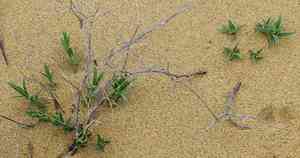
Baby's-breath (Gypsophila) (Gypsophila)
Also known as: Baby's Breath, Gyp, Bride's Flower
The name "Gypsophila" originates from the plant's affinity for growing in soil rich in gypsum. Commonly known as baby's-breath, these flowering plants are popular in gardens and widely used in floral arrangements. They propagate through seeds contained in their small, round fruits.
In This Article
Attributes of Baby's-breath (Gypsophila)
Lifespan
Annual, Perennial
Plant Height
50 cm
Spread
30 cm
Leaf Color
Green
Flower Size
0.1 to 0.2 inches
Flower Color
White, Pink
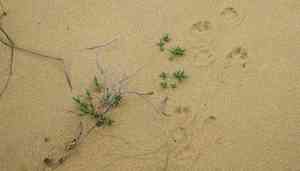
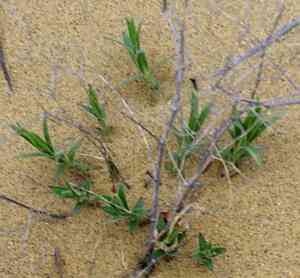
Images of Baby's-breath (Gypsophila)
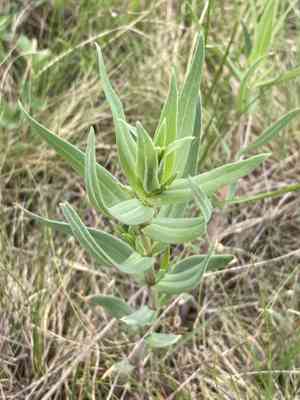
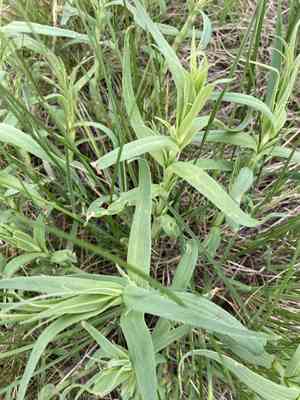
Quickly Identify Baby's-breath (Gypsophila)
1
To identify Gypsophila, look for clusters of tiny, star-shaped flowers, usually white or pink, on slender stems. The leaves are narrow and sparse, giving the plant a light and airy appearance.
Scientific Classification of Baby's-breath (Gypsophila)
Phylum
Magnoliophyta
Class
Magnoliopsida
Order
Caryophyllales
Family
Caryophyllaceae
Genus
Gypsophila
Planting and Growing of Baby's-breath (Gypsophila)
Care Difficulty
Easy
Watering Schedule
Every 2 days
Sunlight Requirements
Full sun
Sunshine Duration
6-10 hours
Ideal Temperature
65-75℉
Soil Type
Potting Mix, Peat Mix
Soil pH
6.5-7.5
Fertilizer Type
Balanced
Pruning Season
Spring, Summer
Pruning Area
Branches, Leaves
Pruning Frequency
Once a year
Repotting Season
Spring
Pot Type
Ceramic, Plastic
 How to Water Baby's-breath (Gypsophila)?
Gypsophila requires careful attention to its watering needs. Watering should be thorough but infrequent, ensuring the soil is moist but never waterlogged. Typically, 500ml of water is sufficient to moisten the soil to a proper depth without causing root rot or leaving excess water standing in the pot.
What are the symptoms of an underwatered Baby's-breath (Gypsophila)?
›
What should I do if my Baby's-breath (Gypsophila) is not getting enough water?
›
What are the symptoms of an overwatered Baby's-breath (Gypsophila)?
›
How to save an overwatered Baby's-breath (Gypsophila)?
›
 What Are the Sunlight Requirements for Baby's-breath (Gypsophila)?
Gypsophila thrives in full to partial sun. Ideal light promotes vibrant blooms and healthy foliage, supporting growth and strengthening plant resilience to environmental stressors.
What happens if Gypsophila doesn't get enough light?
›
How can you ensure perfect lighting for Gypsophila?
›
What benefits does adequate lighting bring to Gypsophila?
›
 What Is the Ideal Temperature Range for Baby's-breath (Gypsophila)?
To achieve optimal growth for Gypsophila, maintaining a temperature between 65°F and 75°F is ideal. This range provides a stable environment that supports vigorous growth and blooming. The plant thrives best when the temperature is neither too hot nor too cold, ensuring steady metabolic and photosynthetic processes.
 What Soil is Best for Baby's-breath (Gypsophila)?
Gypsophila thrives in well-drained soil, as it prevents root rot by allowing excess water to percolate quickly. This feature is crucial for the plant's health, especially in areas with frequent rainfall. Although Gypsophila can tolerate poor soils, it prefers moderately fertile conditions to support its lush growth. A balanced nutrient profile encourages robust blooming and foliage vitality. This plant does well in slightly alkaline soils, which can facilitate nutrient uptake and bacterial activity beneficial for its growth. Such conditions mimic its native habitat, promoting resilience and longevity.
 How to Fertilize Baby's-breath (Gypsophila)?
Gypsophila, commonly known as baby's breath, enjoys a balanced nutrient supply but requires moderation. A general recommendation is to use a diluted liquid fertilizer (half the recommended strength) to avoid nutrient burn. Gypsophila thrives with less frequent, but consistent feeding, ensuring the plant's delicate root system is not overwhelmed.
 How to Prune Baby's-breath (Gypsophila)?
Begin by assessing the plant and identifying any dead or weak stems. Use a pair of sharp shears to make clean cuts at a 45-degree angle, just above a healthy shoot or leaf node. Focus on thinning the plant's interior to allow light and air to reach the center, which helps reduce fungal issues. After the main flowering period, deadhead the plant by removing spent blooms. This encourages a second flush of flowers and maintains the attractiveness of the plant throughout the season. Regularly check for any signs of disease or pest activity and prune affected areas promptly.
 How to Propagate Baby's-breath (Gypsophila) plant?
1
Select seeds or cuttings from healthy, disease-free parent plants. Ensuring high-quality starting material increases the likelihood of successful germination and growth.
2
Use a well-draining soil mix, such as a combination of peat and perlite, to provide an ideal environment for root development. Sterilize the medium to prevent disease.
3
Keep the soil consistently moist, using a spray bottle to avoid over-watering. Ensure that excess water can drain away to prevent root rot, particularly in seed propagation.
 How to Repot Baby's-breath (Gypsophila) plant?
1
Repot Gypsophila when you observe roots coming out of the drainage holes or the plant appears stunted, which are signs it's becoming root-bound. These signals suggest that the plant's growth may be hindered by an inadequate pot size or depleted soil nutrients.
2
Select a pot that is just slightly larger than the current one. This minimizes the risk of overwatering by not having excess soil staying wet. Ensure the pot has ample drainage holes to allow excess water to escape, promoting a healthy root environment and preventing root rot.
3
Opt for a well-draining potting mix to prevent waterlogging, which can lead to root rot. A mixture that contains peat, perlite, or sand can improve aeration and drainage, ensuring the roots receive adequate oxygen while maintaining essential moisture.
Toxicity
Ingestion
WARNING
The judgment on toxicity and danger is for reference only. We DO NOT GUARANTEE any accuracy of such judgment. Therefore, you SHALL NOT rely on such judgment. It is IMPORTANT TO SEEK PROFESSIONAL ADVICE in advance when necessary.
Learn More About Baby's-breath (Gypsophila) Diseases
Anthracnose
Bacterial Leaf Spot
Bacterial Soft Rot
Bacterial Wilt
Crown Gall
Cyst Nematode
Damping-off
Downy Mildew
Drought Stress
Fusarium Wilt
Gray Mold
Leaf Spot
Mosaic
Nutrient Deficiency
Nutrient Toxicity
Powdery Mildew
Root Rot
Root-knot Nematode
Rusts
Sooty Mold
Spider Mites
Temperature Stress
Thrips Damage
White Mold

