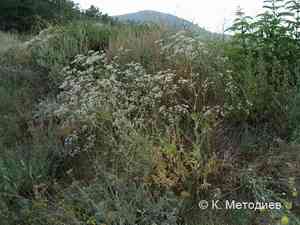
Perfoliate baby's-breath (Gypsophila perfoliata)
Also known as: Perfoliate Baby's Breath
Gypsophila perfoliata, commonly known as perfoliate gypsophila, is a member of the Caryophyllaceae family.
In This Article
Attributes of Perfoliate baby's-breath
Lifespan
Perennial
Plant Type
Herb
Plant Height
30-60 cm
Spread
20-50 cm
Leaf Color
Green
Flower Size
0.5-1 cm
Flower Color
White
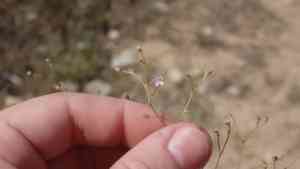
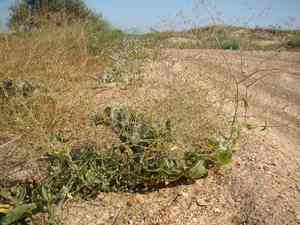
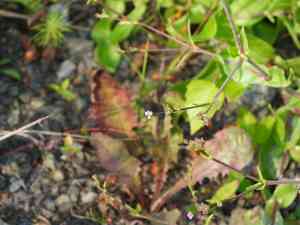
Images of Perfoliate baby's-breath
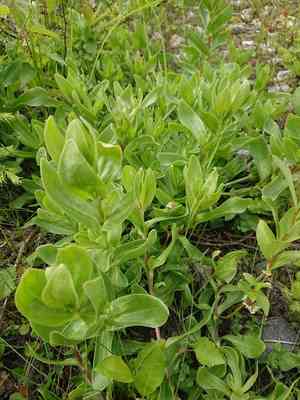
Quickly Identify Perfoliate baby's-breath
1
To identify Gypsophila perfoliata, look for its characteristic small white flowers that form dense clusters. The plant has perfoliate leaves, which means that the base of each leaf completely wraps around the stem.
Scientific Classification of Perfoliate baby's-breath
Phylum
Vascular plants
Class
Dicotyledons
Order
Caryophyllales
Family
Pink
Genus
Baby's-breath
Species
Perfoliate baby's-breath
Planting and Growing of Perfoliate baby's-breath
Care Difficulty
Easy
Watering Schedule
Every 3 days
Sunlight Requirements
Full sun
Sunshine Duration
4-8 hours
Ideal Temperature
65-75℉
Soil Type
Potting Mix, Peat Mix
Soil pH
6.5-7.5
Fertilizer Type
Balanced
Pruning Season
Spring, Summer
Pruning Area
Branches, Leaves
Pruning Frequency
2 times a year
Repotting Season
Spring
Pot Type
Plastic, Ceramic
 How to Water Perfoliate baby's-breath?
Gypsophila perfoliata thrives with a moderate watering approach. The ideal amount is about 250 milliliters per watering session, ensuring the soil is moist but not waterlogged. The guiding principle is to water until you see a slight runoff, indicating the deeper roots are also being reached without becoming too saturated.
What are the symptoms of an underwatered Perfoliate baby's-breath?
›
What should I do if my Perfoliate baby's-breath is not getting enough water?
›
What are the symptoms of an overwatered Perfoliate baby's-breath?
›
How to save an overwatered Perfoliate baby's-breath?
›
 What Are the Sunlight Requirements for Perfoliate baby's-breath?
Gypsophila perfoliata prefers a light range from full sun to partial sun. Ideal lighting ensures abundant blooming, compact growth, and heightened disease resistance, significantly enhancing its aesthetic appeal.
What type of sunlight is ideal?
›
What can be done to ensure optimal sunlight?
›
Why is optimal sunlight important?
›
 What Is the Ideal Temperature Range for Perfoliate baby's-breath?
The ideal temperature range for cultivating Gypsophila perfoliata is between 65°F and 75°F. Within this range, the plant is able to photosynthesize effectively, promote steady growth, and produce the best flowering results. Maintaining temperatures within this range ensures optimal nutrient uptake and reduces stress on the plant.
 What Soil is Best for Perfoliate baby's-breath?
Gypsophila perfoliata thrives in well-drained soils. For this plant, good drainage is essential as it prevents waterlogging, which can lead to root rot and other moisture-related diseases. Ensuring that the soil is loose and drains efficiently will help the plant maintain its health and vigor. This plant prefers nutrient-poor conditions typically found in sandy or calcareous soils. Rich soils can cause excessive foliage growth at the expense of flowering. By providing a less fertile substrate, you encourage a more prolific blooming cycle, which is a primary aesthetic feature of Gypsophila perfoliata. Gypsophila perfoliata is tolerant of soils with a pH from 6.5 to 7.5. This pH range helps maintain the soil's structural integrity and supports the plant's nutrient uptake. Ensuring the soil pH remains within these bounds will help prevent nutrient deficiencies and promote robust growth.
 How to Fertilize Perfoliate baby's-breath?
Gypsophila perfoliata thrives with a balanced nutrient supply. Apply a dilute liquid fertilizer at one quarter to half strength. Each feeding should equate to about 100-200 ml of solution per plant. This ensures nutrients are absorbed efficiently without overwhelming the plant.
 How to Prune Perfoliate baby's-breath?
Wear gardening gloves to protect your hands from potential irritation caused by plant sap. Keep in mind that some parts of the plant might be mildly toxic to sensitive skin. While regular pruning encourages bushier growth, over-pruning can stress the plant. Aim to cut no more than a third of the plant at any time to ensure a healthy recovery. After pruning, water the plant well and ensure it receives adequate sunlight. Providing good care after pruning helps the plant bounce back more vigorously.
More About Pruning Techniques→
 How to Propagate Perfoliate baby's-breath plant?
1
Prepare a well-draining potting mix by combining equal parts of perlite, peat, and loam. Ensure the soil is lightly moist but not waterlogged to facilitate germination and root development.
2
Sow the seeds thinly on the surface of the prepared soil. Cover them very lightly with a thin layer of soil to ensure they are not buried too deep, which could hinder germination.
3
Select healthy, mature stems from the plant and cut 4-6 inches with a sterilized knife. Strip the leaves from the lower half of the cutting to expose the nodes where roots will develop.
 How to Repot Perfoliate baby's-breath plant?
1
Gypsophila perfoliata should be repotted when you notice roots emerging from the pot’s drainage holes, or when the soil can no longer retain moisture as it used to. This typically indicates root-bound conditions or depleted soil nutrients. Spring and summer are ideal times to perform this task as the plant is in its active growth phase, allowing it to recover quickly.
2
Select a pot that is one or two sizes larger than the current one. Ensure it has adequate drainage holes to prevent waterlogging. The new pot should allow for some root expansion to encourage healthy growth, but it shouldn't be excessively large, as this could lead to overwatering issues.
3
Opt for a well-draining sandy soil mix that mimics the plant’s natural environment. This type of soil allows for proper aeration and drainage, preventing root rot and ensuring that the roots get sufficient oxygen for better growth and nutrient absorption.
Learn More About Perfoliate baby's-breath Diseases
Anthracnose
Bacterial Leaf Spot
Bacterial Soft Rot
Bacterial Wilt
Chemical Injury
Crown Gall
Cyst Nematode
Damping-off
Downy Mildew
Drought Stress
Fusarium Wilt
Gray Mold
Leaf Spot
Mosaic
Nutrient Deficiency
Nutrient Toxicity
Powdery Mildew
Root Rot
Root-knot Nematode
Rusts
Sooty Mold
Spider Mites
Temperature Stress
Thrips Damage
White Mold



