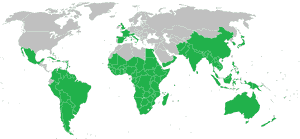
Shona cabbage (Gynandropsis gynandra)
Also known as: Spiderwisp, Chinsaga
*Gynandropsis gynandra*, often called spider flower, is an edible wildflower with several other names including cat's whiskers, African cabbage, and stinkweed. Originally from Africa, this plant is now found in tropical and subtropical regions across the globe. Its leaves, which have a bitter and peppery taste, are commonly consumed in various parts of sub-Saharan Africa.
In This Article
Attributes of Shona cabbage
Lifespan
Annual
Plant Type
Herb
Plant Height
50 cm to 1 m
Spread
Not typically measured, as it grows upright with a relatively narrow spread.
Leaf Color
Green
Flower Size
1 cm to 25 cm
Flower Color
White Pink Purple
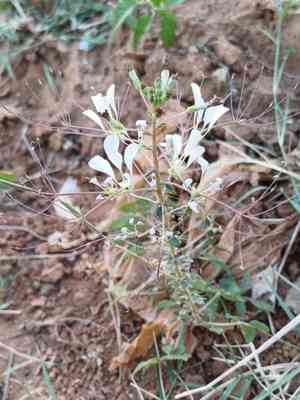
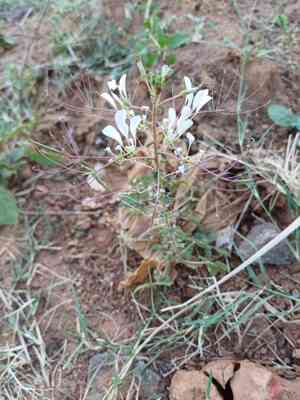
Images of Shona cabbage
Quickly Identify Shona cabbage
1
Gynandropsis gynandra can be identified by its tall stature, distinctive flower structure with long stamens, and palmate leaves typically divided into five to seven leaflets. The plant often emits a distinct, somewhat pungent smell.
Scientific Classification of Shona cabbage
Phylum
Vascular plants
Class
Dicotyledons
Order
Mustards, capers, and allies
Family
Spider flower
Genus
spiderwisp
Species
Shona cabbage
Planting and Growing of Shona cabbage
Care Difficulty
Easy
Watering Schedule
Every 8 days
Sunlight Requirements
Full sun
Sunshine Duration
4-8 hours
Ideal Temperature
68-86℉
Soil Type
Potting Mix, Peat Mix
Soil pH
6-8
Fertilizer Type
Balanced
Pruning Season
Spring, Summer
Pruning Area
Branches, Leaves
Pruning Frequency
2 times a year
Repotting Season
Spring
Pot Type
Plastic, Ceramic
 How to Water Shona cabbage?
Gynandropsis gynandra, also known as African spider flower, thrives when its soil is moderately moist but not waterlogged. Water about 250 ml each time, ensuring the water reaches about 2 inches depth to saturate the root zone while avoiding standing water.
What are the symptoms of an underwatered Shona cabbage?
›
What should I do if my Shona cabbage is not getting enough water?
›
What are the symptoms of an overwatered Shona cabbage?
›
How to save an overwatered Shona cabbage?
›
 What Are the Sunlight Requirements for Shona cabbage?
Gynandropsis gynandra prefers partial sun to full sun environments. Ideal light conditions promote healthy photosynthesis, resulting in robust plant growth and vibrant foliage.
More About Sunlight Requirements Techniques→
What is the best lighting condition for Gynandropsis gynandra?
›
How can you ensure Gynandropsis gynandra gets ideal lighting?
›
What benefits does proper lighting bring to Gynandropsis gynandra?
›
 What Is the Ideal Temperature Range for Shona cabbage?
Gynandropsis gynandra thrives best in a warm environment with temperatures ranging from 68°F to 86°F. Ensuring this range supports optimal growth and photosynthesis, vital for the development of healthy foliage and flowers.
 What Soil is Best for Shona cabbage?
Gynandropsis gynandra thrives in well-drained soils as it prevents waterlogging, which can lead to root rot. This requirement ensures the plant remains healthy, allowing for optimal growth and nutrient uptake. The plant benefits from soil that is moderately rich in organic matter, providing essential nutrients that support robust foliage and flowering. This fertility contributes to the vibrant and productive nature of the plant. Maintaining adequate moisture is crucial for this plant, as it supports continuous growth and development. Correct moisture retention ensures that the plant does not suffer from drought stress, promoting long-lasting vitality.
 How to Fertilize Shona cabbage?
When fertilizing Gynandropsis gynandra, apply a balanced liquid fertilizer, such as 10-10-10 NPK, at half strength to prevent over-saturation of nutrients. Given its sensitivity, it is essential to avoid direct contact with the leaves to prevent potential burn or damage.
 How to Prune Shona cabbage?
While pruning is beneficial, avoid over-pruning as it can stress the plant and reduce its ability to photosynthesize. Ensure you leave enough foliage to sustain the plant's energy needs. Always consider the overall shape and balance of the plant when removing branches, and make incremental changes rather than drastic ones.
More About Pruning Techniques→
 How to Propagate Shona cabbage plant?
1
Begin by filling the seed tray with potting mix. Sow the seeds thinly on the surface and lightly cover with a thin layer of the potting mix. Gently water the seeds to settle them into the soil.
2
Place the seed tray in a warm, bright location but out of direct sunlight. Maintain a consistent temperature of around 20°C (68°F) to encourage germination, which typically occurs within 7-14 days.
3
Once the seedlings have developed their first true leaves, they are ready to be transplanted. Gently remove each seedling and transplant it into individual pots filled with potting mix, taking care not to damage the delicate roots.
 How to Repot Shona cabbage plant?
1
Repotting Gynandropsis gynandra is necessary when the plant becomes root-bound, which can be identified by roots growing out of drainage holes or a noticeable decline in plant health. A lack of growth or wilting can also signal that it needs a new pot. Ideally, repot during its active growth phase in the warmer months.
2
Select a pot that is one size larger than the current one with sufficient drainage holes to prevent waterlogging. This ensures that the roots have ample space to expand, promoting healthy growth and preventing root rot. A slightly heavy pot will also help stabilize the tall growth of this plant.
3
Opt for a well-draining potting mix, incorporating sand or perlite to enhance drainage. This type of soil prevents water from accumulating at the roots, reducing the risk of root rot and providing the plant with necessary aeration for healthy growth.
Learn More About Shona cabbage Diseases
Anthracnose
Bacterial Leaf Spot
Bacterial Soft Rot
Bacterial Wilt
Chemical Injury
Damping-off
Downy Mildew
Drought Stress
Fusarium Wilt
Gray Mold
Leaf Spot
Mosaic
Nutrient Deficiency
Nutrient Toxicity
Powdery Mildew
Root Rot
Root-knot Nematode
Rusts
Sooty Mold
Spider Mites
Temperature Stress
Thrips Damage
White Mold



