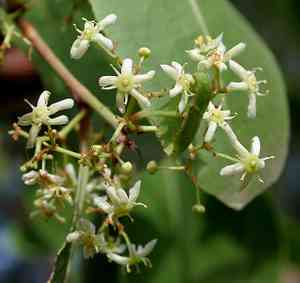
Spike thorn (Gymnosporia) (Gymnosporia)
Also known as: Spike Thorn, Common Spike Thorn
Spike thorn (*Gymnosporia*) is a genus of plants native to the Old World, encompassing suffrutices, shrubs, and trees. Previously grouped with *Maytenus*, it has since been reclassified due to distinct traits such as truncated branchlets (achyblasts), spines, alternate or fascicled leaves, dichasial inflorescences, predominantly unisexual flowers, and dehiscent capsules with arillate seeds. *Gymnosporia* species are found across Africa, Asia, Europe, and Australia, comprising approximately 114 species.
In This Article
Attributes of Spike thorn (Gymnosporia)
Lifespan
Perennial
Plant Height
1-5 meters
Spread
1-3 meters
Leaf Color
Green
Flower Size
0.5-1 cm
Flower Color
Greenish or whitish
Images of Spike thorn (Gymnosporia)
Quickly Identify Spike thorn (Gymnosporia)
1
Identify Gymnosporia by its thorny branches, small greenish or whitish flowers, and simple, alternate leaves. The presence of thorns along the stems is a distinctive feature.
Scientific Classification of Spike thorn (Gymnosporia)
Phylum
Magnoliophyta
Class
Magnoliopsida
Order
Celastrales
Family
Celastraceae
Genus
Gymnosporia
Planting and Growing of Spike thorn (Gymnosporia)
Care Difficulty
Moderate
Watering Schedule
Every 2 days
Sunlight Requirements
Partial sun
Sunshine Duration
4-8 hours
Ideal Temperature
60-75℉
Soil Type
Potting Mix, Peat Mix
Soil pH
6.5-7.5
Fertilizer Type
Balanced
Pruning Season
Spring, Summer
Pruning Area
Branches, Leaves
Pruning Frequency
2 times a year
Repotting Season
Spring
Pot Type
Plastic, Ceramic
 How to Water Spike thorn (Gymnosporia)?
For Gymnosporia, water thoroughly until the soil feels consistently moist throughout, roughly around 200ml per session. This amount ensures that the soil is neither waterlogged nor left arid. Always use well-draining soil to prevent standing water, which could suffocate roots. The rule of thumb is to allow the top two inches of soil to dry out before the next watering.
What are the symptoms of an underwatered Spike thorn (Gymnosporia)?
›
What should I do if my Spike thorn (Gymnosporia) is not getting enough water?
›
What are the symptoms of an overwatered Spike thorn (Gymnosporia)?
›
How to save an overwatered Spike thorn (Gymnosporia)?
›
 What Are the Sunlight Requirements for Spike thorn (Gymnosporia)?
Gymnosporia thrives in partial to full sun. Ideal light promotes crisp, lush foliage and a healthy growth rate, enriching both ornamental appeal and ecosystem benefits.
What is the optimal location for Gymnosporia?
›
How can I adjust lighting for seasonal changes?
›
What are the benefits of ideal lighting for Gymnosporia?
›
 What Is the Ideal Temperature Range for Spike thorn (Gymnosporia)?
Gymnosporia thrives in a temperature range between 60°F and 75°F. This range provides optimal conditions for photosynthesis, growth, and flowering. Keeping the plant within this temperature ensures it has enough warmth without the stress of excessive heat, which could inhibit its metabolic processes.
 What Soil is Best for Spike thorn (Gymnosporia)?
Gymnosporia requires well-drained soil to thrive, as excess water can lead to root rot. Ensuring good drainage helps in maintaining the plant’s health and aids in nutrient absorption. Soil enriched with organic matter is vital since it improves the soil structure, retains moisture, and provides essential nutrients that boost gymnosporia growth and resilience. While Gymnosporia doesn’t need extremely fertile soils, moderate fertility ensures it gets sufficient nutrients for healthy growth without excessive vegetative spikes.
 How to Fertilize Spike thorn (Gymnosporia)?
For Gymnosporia, it is crucial to maintain the balance in fertilization. Generally, sparse application is better than excessive feeding. For liquid fertilizer, mix at a concentration of 1:5 (fertilizer to water). For slow-release fertilizers, use a modest handful per plant, but never exceeding half a cup. Over-fertilization can lead to root burn and irregular growth patterns.
 How to Prune Spike thorn (Gymnosporia)?
Start by removing any crossed or rubbing branches to improve air flow and light penetration. Thin out the interior of the plant gently, prioritizing older growth to foster rejuvenation. Trim the outer branches to maintain your desired shape, taking care not to remove more than a third of the plant at once. This controlled approach encourages healthier regrowth and prevents shock.
 How to Propagate Spike thorn (Gymnosporia) plant?
1
Choose a healthy and disease-free parent plant for propagation. Ensure the plant is thriving, as only robust plants will provide viable seeds or cuttings that can successfully root and grow.
2
Using pruning shears, take cuttings approximately 5 to 10 centimeters long. Remove the lower leaves and dip the cut end in rooting hormone. This preparation increases the chances of successful rooting.
3
Fill pots with a well-draining propagation medium, such as a mixture of peat and sand. Insert the prepared cuttings into the medium about halfway, ensuring the environment remains moist without being waterlogged.
 How to Repot Spike thorn (Gymnosporia) plant?
1
Repotting Gymnosporia should be considered if you notice roots protruding from the drainage holes or the plant showing signs of stunted growth. Spring and early summer are best when the plant is in its active growth phase, helping minimize transplant shock.
2
Select a pot that is one size larger than the current one, with adequate drainage holes. A slightly larger pot ensures sufficient space for root expansion and prevents waterlogging, which is crucial for maintaining plant health.
3
Opt for well-draining loamy soil, enriched with organic matter to promote healthy root development and adequate moisture retention. This soil mixture helps prevent root rot and encourages robust plant growth.

