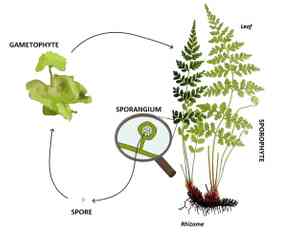
Oak fern (Gymnocarpium dryopteris)
Also known as: Woodland oak fern
The oak fern, known scientifically as *Gymnocarpium dryopteris*, derives its Latin name from Greek words meaning "naked fruit," due to its spore-producing structures being exposed on the underside of its fronds. Historically, the Cree Native Americans used this fern to ward off mosquitoes. Its appealing foliage makes it a favored ornamental plant, ideal for planting at the front of borders because of its relatively short stature.
In This Article
Attributes of Oak fern
Lifespan
Perennial
Plant Type
Herb
Plant Height
50 cm
Spread
1 m
Leaf Color
Green
Flower Size
Not applicable (ferns do not produce flowers)
Flower Color
Not applicable
Images of Oak fern
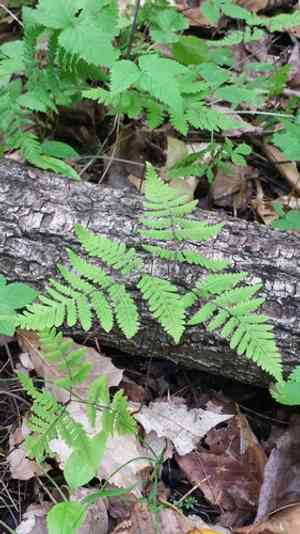
Quickly Identify Oak fern
1
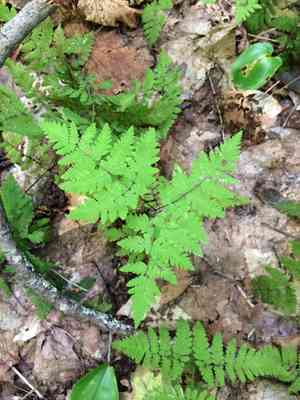
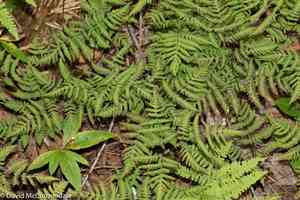
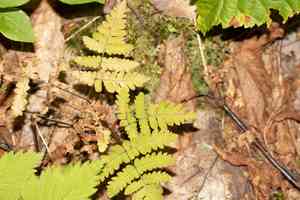
Oak fern can be identified by its light green, lacy, triangular fronds that grow up to 30 cm long. The leaflets are in a distinctive fan shape and the plant has a creeping rhizome.
Scientific Classification of Oak fern
Phylum
Vascular plants
Class
Ferns
Order
Polypodiales
Family
Cystopteridaceae
Genus
Oak ferns
Species
Oak fern
Planting and Growing of Oak fern
Care Difficulty
Easy
Watering Schedule
Every 3 days
Sunlight Requirements
Full shade
Sunshine Duration
6-8 hours
Ideal Temperature
60-75℉
Soil Type
Potting Mix, Peat Mix
Soil pH
4-6.5
Fertilizer Type
Balanced
Pruning Season
Spring, Summer
Pruning Area
Branches, Leaves
Pruning Frequency
2 times a year
Repotting Season
Spring
Pot Type
Plastic, Ceramic
 How to Water Oak fern?
Gymnocarpium dryopteris, commonly known as the oak fern, requires a consistent yet moderate watering approach. Approximately 200 ml per session will suffice. Always ensure the topsoil isn't soggy but remains slightly damp to ensure proper hydration without waterlogging.
What are the symptoms of an underwatered Oak fern?
›
What should I do if my Oak fern is not getting enough water?
›
What are the symptoms of an overwatered Oak fern?
›
How to save an overwatered Oak fern?
›
 What Are the Sunlight Requirements for Oak fern?
Partial sun to full shade ensures Gymnocarpium dryopteris receives enough light for chlorophyll processes and robust growth, providing an environment that closely mimics its natural habitat. This setting supports optimal health and prevents numerous light-related plant ailments.
More About Sunlight Requirements Techniques→
How much light does Gymnocarpium dryopteris need?
›
What solutions help achieve ideal light?
›
What are the benefits of ideal lighting?
›
 What Is the Ideal Temperature Range for Oak fern?
The ideal temperature range for Gymnocarpium dryopteris is between 60°F and 75°F. In this range, the plant can thrive and exhibit healthy growth. Temperatures within these limits encourage optimal photosynthesis and nutrient uptake, ensuring that the plant maintains vibrant foliage and robust root development. Maintaining this temperature requires careful monitoring, especially during seasonal transitions.
 What Soil is Best for Oak fern?
Gymnocarpium dryopteris thrives in soils that retain moisture well, such as loam and peat. These types offer a stable moisture level crucial for the fern's growth, preventing wilting and promoting lush, healthy foliage. This species benefits from a nutrient-rich substrate component, which encourages robust growth and vibrant greenery. Loam and acidic soils provide a wealth of nutrients, essential for the plant's energy and metabolic processes. While it prefers moisture, Gymnocarpium dryopteris also requires soils with good drainage to avoid root rot. Loamy soil's balanced texture supports this need, ensuring proper air exchange and water movement.
 How to Fertilize Oak fern?
When fertilizing Gymnocarpium dryopteris, use a half-strength balanced liquid fertilizer for best results. This approach helps avoid over-fertilization while supplying needed nutrients. Generally, about 10 ml of liquid fertilizer mixed with 1 liter of water can be used per application, depending on plant size and soil conditions.
 How to Prune Oak fern?
Begin by identifying browned or dead fronds. Cut them at the base near the rhizome, being careful not to damage new shoots. Remove any fronds growing inward to promote better airflow and light reach. To maintain an aesthetically pleasing form, trim fronds that extend beyond the desired shape of the plant. This helps in maintaining structural integrity and overall appearance.
More About Pruning Techniques→
 How to Propagate Oak fern plant?
1
Select a well-established Gymnocarpium dryopteris plant. Ensure it is free from pests and diseases as these could be transmitted to new plants.
2
Carefully dig around the base of the plant using a spade, being cautious not to damage the roots. Lift the plant from the soil gently.
3
Using a sharp knife or your hands, separate the root clump into smaller sections. Each section should have several fronds and a healthy portion of the root system.
4
Prepare holes in your garden or pots with proper soil. Plant each division at the same depth they were growing initially, and water them thoroughly.
 How to Repot Oak fern plant?
1
Gymnocarpium dryopteris typically signals the need for repotting when roots start circling the pot or emerge from the drainage holes. Additionally, stunted growth, or the soil drying out quickly after watering, indicates it's time to consider a new pot.
2
Select a pot that is slightly larger than the current one, ideally one to two inches wider in diameter. This allows space for root growth while preventing waterlogging. Ensure the pot has sufficient drainage holes to prevent root rot, a common pitfall in overly saturated soil.
3
Choose a well-draining, rich soil mixture to facilitate proper aeration and nutrient absorption. A blend containing organic matter such as compost or peat will enhance growth and vitality, offering both adequate drainage and sufficient fertility.



