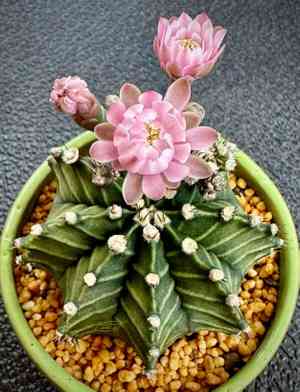
Moon cactus (Gymnocalycium mihanovichii)
Also known as: Moon Cactus, Red Cap, Ruby Ball
Moon cactus (Gymnocalycium mihanovichii) is a cactus native to South America. Some moon cactus variants are ornamentally valued for their red, yellow, and orange pigments, which result from the total lack of chlorophyll in these colored variants. This species make popular houseplants and grow best in bright, indirect light.
In This Article
Attributes of Moon cactus
Lifespan
Perennial
Plant Type
Succulent, Shrub
Plant Height
30 cm
Spread
6 cm
Leaf Color
Green Blue
Flower Size
4 cm to 5 cm
Flower Color
Pink White Purple Yellow
Images of Moon cactus
Quickly Identify Moon cactus
1
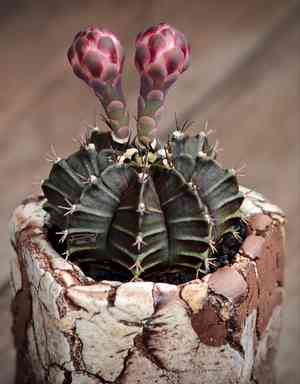
Identification of Gymnocalycium mihanovichii is typically done based on its colorful, almost neon top part, which lacks chlorophyll and needs to be grafted onto a green cactus for survival. It usually has a rounded and ribbed body.
Scientific Classification of Moon cactus
Phylum
Vascular plants
Class
Dicotyledons
Order
Caryophyllales
Family
Cactuses
Genus
Chin cactusses
Species
Moon cactus
Planting and Growing of Moon cactus
Care Difficulty
Easy
Watering Schedule
Every 2 days
Sunlight Requirements
Partial sun
Sunshine Duration
4-8 hours
Ideal Temperature
75-85℉
Soil Type
Potting Mix, Peat Mix
Soil pH
6.5-7.5
Fertilizer Type
Balanced
Pruning Season
Spring, Summer
Pruning Area
Branches, Leaves
Pruning Frequency
2 times a year
Repotting Season
Spring
Pot Type
Plastic, Ceramic
 How to Water Moon cactus?
Gymnocalycium mihanovichii, commonly known as the moon cactus, requires moderate watering. Use about 50 milliliters per watering session. The goal is to ensure the soil is slightly moist but never soaked. Allow the top inch of soil to dry out before the next watering to prevent root rot. Always use well-draining cactus soil to avoid water logging.
More About Watering Techniques→
What are the symptoms of an underwatered Moon cactus?
›
What should I do if my Moon cactus is not getting enough water?
›
What are the symptoms of an overwatered Moon cactus?
›
How to save an overwatered Moon cactus?
›
 What Are the Sunlight Requirements for Moon cactus?
Gymnocalycium mihanovichii ideally requires partial sun, benefiting from 4 to 6 hours of indirect sunlight daily. Proper lighting promotes strong and compact growth, enhancing the plant's aesthetics and bloom potential.
More About Sunlight Requirements Techniques→
How much sunlight does Gymnocalycium mihanovichii need?
›
Solution for achieving ideal lighting
›
Benefits of ideal lighting
›
 What Is the Ideal Temperature Range for Moon cactus?
Gymnocalycium mihanovichii thrives in temperatures between 75°F to 85°F. This range facilitates robust growth by maintaining the cactus' metabolic processes at their peak efficiency. Ensuring temperatures remain within this band will promote healthy photosynthesis and nutrient uptake.
 What Soil is Best for Moon cactus?
Gymnocalycium mihanovichii requires soil with excellent drainage to prevent root rot. Well-draining sandy or loamy soils work best because they allow excess water to escape rapidly, which is crucial for the plant's health and growth. This cactus thrives with a minimal nutrient profile as it is adapted to nutrient-poor environments. A cacti-specific potting mix or general loamy soil moderately amended with organic matter to provide essential nutrients without overwhelming the plant's needs is ideal. Soil that facilitates good aeration is important for the plant's root health. A loose, airy soil composition helps roots breathe and grow effectively, preventing any suffocation or decay and supporting the plant's overall vitality.
More About Soil→
 How to Fertilize Moon cactus?
When applying fertilizer to Gymnocalycium mihanovichii, less is often more. Use a weak solution of liquid cactus fertilizer at half the recommended strength to avoid burning the roots. A small amount, diluted properly, ensures the cactus receives essential nutrients without risk of overfeeding.
 How to Prune Moon cactus?
Use sterilized, sharp scissors or pruning shears to make precise cuts on your cacti. This reduces the risk of infecting the plant with pathogens and minimizes tissue damage. Always handle Gymnocalycium mihanovichii with gloves, as its delicate structure and spines can easily damage or injure exposed skin. Firmly support the cactus body to prevent it from toppling over during the pruning process. Slice directly above the joint where the pup or section is located, ensuring a clean, straight cut. This reduces scarring and encourages quicker healing. Avoid tearing away sections, which can cause significant stress to the plant.
 How to Propagate Moon cactus plant?
1
Start by soaking seeds in lukewarm water for a few hours to soften the seed coat. This can enhance germination rates by allowing water to penetrate more effectively.
2
Carefully cut the rootstock and scion at complementary angles. Join the cut surfaces and secure them with grafting tape to ensure the union stays moist and robust until healing takes place.
3
Place the seeds in a humid and warm environment, ideally with a temperature between 20-25°C. This environment supports seedling growth and reduces moisture loss.
 How to Repot Moon cactus plant?
1
Gymnocalycium mihanovichii needs repotting when roots overflow from the drainage holes or the plant appears to be outgrowing its current container. Additionally, if you notice the soil is retaining too much moisture, it may be time to refresh the potting mix to prevent root rot.
2
Select a pot that is one size larger than the current one, ensuring it has ample drainage holes. This helps in preventing water from pooling, which could lead to root rot. The material is as important; terra cotta pots are a great choice as they allow for better aeration and moisture control.
3
Opt for a well-draining cactus mix that generally consists of a mix of sand, perlite, and potting soil. These components ensure root aeration and reduce the likelihood of standing water, thus maintaining a healthy root environment.
Toxicity
Ingestion
WARNING
The judgment on toxicity and danger is for reference only. We DO NOT GUARANTEE any accuracy of such judgment. Therefore, you SHALL NOT rely on such judgment. It is IMPORTANT TO SEEK PROFESSIONAL ADVICE in advance when necessary.



