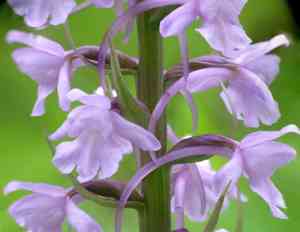
Fragrant orchid (Gymnadenia conopsea)
Also known as: Sweet-scented orchid
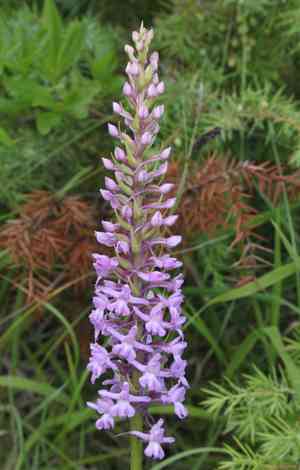
Fragrant orchids, found throughout Europe, emit a strong, clove-like scent that draws in various moth species for pollination. Key pollinators include the hawk-moth, hummingbird hawk-moth, silver Y, burnished brass, and large yellow underwing. The flowers of this orchid typically display shades of pink to purple, and occasionally, white.
In This Article
Attributes of Fragrant orchid
Lifespan
Perennial
Plant Type
Herb
Plant Height
40 cm
Spread
25 cm
Leaf Color
Green
Flower Size
5 cm to 25 cm
Flower Color
Pink Purple
Images of Fragrant orchid
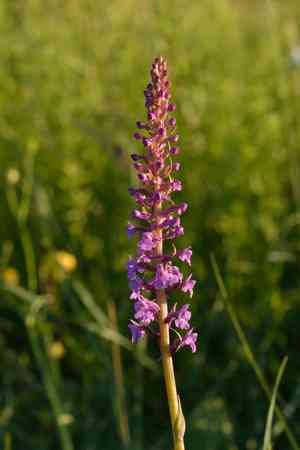
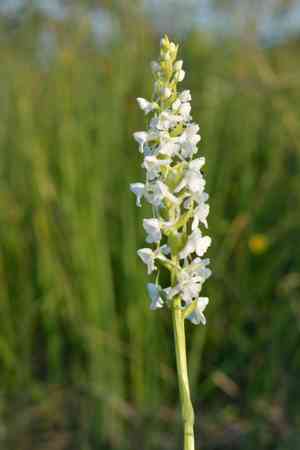
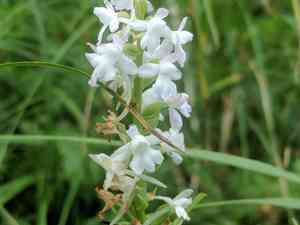
Quickly Identify Fragrant orchid
1
The plant has a slender, upright stem with a basal rosette of leaves and a dense spike of flowers at the top. The flowers are small but numerous, with a three-lobed lip and a long spur. The fragrance is a key identifying feature.
Scientific Classification of Fragrant orchid
Phylum
Vascular plants
Class
Monocotyledons
Order
Asparagus and allies
Family
Orchid
Genus
Gymnadenia
Species
Fragrant orchid
Planting and Growing of Fragrant orchid
Care Difficulty
Moderate
Watering Schedule
Every 3 days
Sunlight Requirements
Partial sun
Sunshine Duration
6-10 hours
Ideal Temperature
60-75℉
Soil Type
Potting Mix, Peat Mix
Soil pH
6.5-7.5
Fertilizer Type
Balanced
Pruning Season
Spring, Summer
Pruning Area
Branches, Leaves
Pruning Frequency
2 times a year
Repotting Season
Spring
Pot Type
Plastic, Ceramic
 How to Water Fragrant orchid?
Gymnadenia conopsea requires watering wherein the soil is moistened to a depth of several inches but not waterlogged. This ensures that the roots receive adequate moisture without causing root rot, keeping a balance between dryness and excessive saturation.
What are the symptoms of an underwatered Fragrant orchid?
›
What should I do if my Fragrant orchid is not getting enough water?
›
What are the symptoms of an overwatered Fragrant orchid?
›
How to save an overwatered Fragrant orchid?
›
 What Are the Sunlight Requirements for Fragrant orchid?
Partial to full sun exposure is ideal. This light range supports healthy blooming and foliage for Gymnadenia conopsea, as it mimics natural conditions, optimizes photosynthesis, and prevents environmental stress.
More About Sunlight Requirements Techniques→
How much sunlight does Gymnadenia conopsea need?
›
What are the measures to provide ideal lighting?
›
Why is ideal lighting important for this plant?
›
 What Is the Ideal Temperature Range for Fragrant orchid?
The ideal temperature range for Gymnadenia conopsea is between 60°F and 75°F. This range provides a balance of warmth and coolness, replicating its natural habitat conditions in temperate regions. Maintaining temperatures within this range ensures optimal growth and flowering, as it mimics the seasonal transitions that the plant would experience in the wild.
 What Soil is Best for Fragrant orchid?
Gymnadenia conopsea thrives in well-draining soil. This type of soil prevents waterlogging, which is crucial to avoid root rot and allows the roots to access air and nutrients efficiently. The presence of rich organic matter in the soil is essential for the optimal growth of Gymnadenia conopsea, supplying essential nutrients that enhance growth and bloom quality. The soil should retain moderate moisture to keep the root environment consistently moist but not wet. This aids in steady growth patterns and promotes healthy foliage.
 How to Fertilize Fragrant orchid?
Gymnadenia conopsea thrives with a balanced fertilizer application. It's important to use diluted liquid fertilizers at half-strength to avoid any potential damage to the roots. Typically, 1/4 teaspoon per gallon of water works well.
 How to Prune Fragrant orchid?
Start by inspecting the plant for any dead or damaged leaves and flower spikes. Cut these parts close to the base using clean, sharp scissors or shears. Next, carefully trim back any excessively long or misshaped growth to the desired size. Remember, the focus should be on maintaining a healthy structure while encouraging future blooms.
More About Pruning Techniques→
 How to Propagate Fragrant orchid plant?
1
Collect seeds after flowering, ideally before they fall naturally. Sow the seeds on the surface of moist, well-draining soil in seed trays. Maintain a warm, humid environment to encourage successful germination, which can take several weeks.
2
In early spring, carefully dig out the mature Gymnadenia conopsea clumps. Gently separate the roots using a sterile knife, ensuring each division has a substantial number of roots. Replant the divisions at the same depth they were originally growing.
3
Once seedlings have developed a few true leaves, transplant them into individual pots. This helps promote further growth by giving each plant enough space and nutrients for its root system to expand.
 How to Repot Fragrant orchid plant?
1
Observe your Gymnadenia conopsea to know when to repot. If the roots are tightly bound within the pot or growth appears stunted, it's a sign to refresh its living space. Repotting in spring or autumn ensures the plant avoids extreme temperatures, giving it a chance to adapt before blooming or dormancy.
2
Select a pot that is slightly larger than the current one to prevent excessive room that can cause waterlogging. Preferably, select clay pots for better aeration. Ensuring a pot with drainage holes prevents root rot by allowing excess water to escape, crucial for the healthy growth of this terrestrial orchid.
3
Using a well-draining orchid mix is vital for Gymnadenia conopsea. This mix often contains elements like bark and perlite, which mimic the plant's natural habitat. A proper mix ensures the roots are provided with enough air circulation, reducing the risk of diseases and promoting robust growth.
Learn More About Fragrant orchid Diseases
Anthracnose
Bacterial Leaf Spot
Bacterial Soft Rot
Bacterial Wilt
Black Spot
Chemical Injury
Crown Gall
Cyst Nematode
Damping-off
Downy Mildew
Drought Stress
Fusarium Wilt
Gray Mold
Leaf Curl
Leaf Spot
Mosaic
Nutrient Deficiency
Nutrient Toxicity
Powdery Mildew
Root Rot
Root-knot Nematode
Rusts
Sooty Mold
Spider Mites
Temperature Stress
Thrips Damage
White Mold



