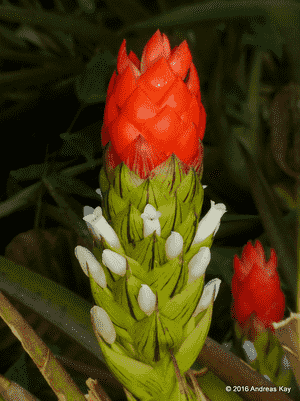
Guzmania monostachia (Guzmania monostachia)
Also known as: West Indian tufted airplant
The Guzmania monostachia, a species within the Guzmania genus, is an epiphytic plant often referred to as the West Indian tufted airplant. This species originates from the regions of South and Central America including countries such as Bolivia, Brazil, Columbia, Ecuador, Peru and Venezuela, as well as the West Indies, Florida, and purportedly, it has naturalized in Hawaii. It is unique for being a facultative CAM species, which essentially allows it to switch from C3 to CAM photosynthesis when exposed to intense light conditions or drought stress as a defense mechanism.
In This Article
Attributes of Guzmania monostachia
Lifespan
Guzmania monostachia is a perennial plant.
Plant Height
1-2 feet
Spread
1-2 feet
Leaf Color
Green
Flower Size
Less than 1 inch
Flower Color
Red
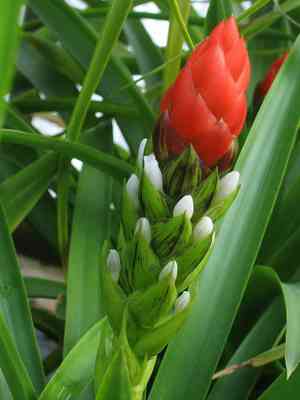
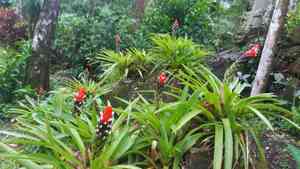
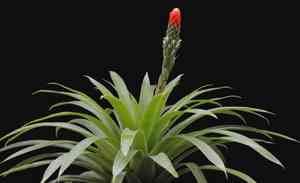
Images of Guzmania monostachia
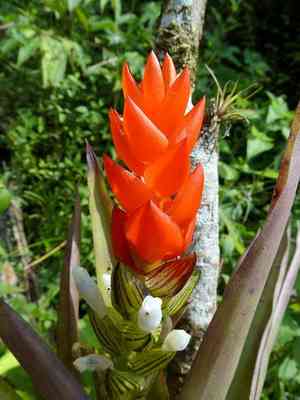
Quickly Identify Guzmania monostachia
1
Identifiable by its rosette of narrow, arching leaves and its showy, tubular flowers that are borne in upright, usually unbranched spikes.
Scientific Classification of Guzmania monostachia
Phylum
Magnoliophyta
Class
Liliopsida
Order
Poales
Family
Bromeliaceae
Genus
Guzmania
Species
G. monostachia
Planting and Growing of Guzmania monostachia
Care Difficulty
Easy
Watering Schedule
Every 3 days
Sunlight Requirements
Partial sun
Sunshine Duration
4-8 hours
Ideal Temperature
65-80℉
Soil Type
Potting Mix, Peat Mix
Soil pH
6.5-7.5
Fertilizer Type
Balanced
Pruning Season
Spring, Summer
Pruning Area
Branches, Leaves
Pruning Frequency
2 times a year
Repotting Season
Spring
Pot Type
Plastic, Ceramic
 How to Water Guzmania monostachia?
Guzmania monostachia thrives best with moderate watering. Ensure the central cup is filled with about 150 ml of water, simulating its natural environment where it captures rainwater. It's crucial to empty the cup and refill it periodically to prevent stagnation, as this can lead to rot.
What are the symptoms of an underwatered Guzmania monostachia?
›
What should I do if my Guzmania monostachia is not getting enough water?
›
What are the symptoms of an overwatered Guzmania monostachia?
›
How to save an overwatered Guzmania monostachia?
›
 What Are the Sunlight Requirements for Guzmania monostachia?
Partial sun exposure, combining dappled light with shade, benefits Guzmania monostachia. These conditions support photosynthesis while preventing leaf scorch. Ideal light fosters lush growth patterns and colorful foliage, maintaining the plant's ornamental beauty.
What is the ideal light exposure for Guzmania monostachia?
›
How can you achieve ideal lighting for Guzmania monostachia?
›
What benefits arise from ideal lighting conditions for Guzmania monostachia?
›
 What Is the Ideal Temperature Range for Guzmania monostachia?
The ideal temperature range for Guzmania monostachia is between 65°F and 80°F. This range is most conducive to thriving growth and blooming in this bromeliad species. Maintaining this temperature ensures optimal metabolic processes and nutrient uptake for better development.
 What Soil is Best for Guzmania monostachia?
Guzmania monostachia thrives in well-drained soil, ensuring roots do not sit in water for too long, which can prevent root rot and promote healthy growth. A well-aerated soil helps to facilitate gas exchange and ensures that the roots receive the oxygen they need for optimal metabolic activity. A soil rich in organic matter provides essential nutrients, supporting lush foliage and vibrant blooms in Guzmania monostachia.
 How to Fertilize Guzmania monostachia?
Guzmania monostachia requires a balanced but careful fertilization regimen due to its epiphytic nature. Use a liquid fertilizer at half the recommended strength to ensure that the delicate roots can absorb nutrients without the risk of burn or overload.
 How to Prune Guzmania monostachia?
Begin by inspecting the plant thoroughly and looking for any discolored, brown, or wilted leaves. These are the parts that should be removed first. Carefully follow the leaf's path back to its point of origin and make your cut there, ensuring you don't damage surrounding healthy leaves. When removing a spent flower, make sure to cut it back to the base of the flower spike. This encourages the plant to put its energy into leaf growth and new flower production rather than sustaining old blooms. Doing this ensures a more vibrant and prolonged display in the next growth phase.
 How to Propagate Guzmania monostachia plant?
1
Begin by collecting mature seeds from a healthy Guzmania monostachia plant. Ensure they are dry and ready for planting, as moist seeds can lead to mold development.
2
Gently remove the plant from its pot and identify any offsets. Use a sharp knife to divide these offsets from the main plant, making sure each division has some roots attached for successful growth.
3
Plant the seeds or offsets in well-draining soil, providing them with indirect sunlight and consistent moisture. This helps in establishing a strong root system, promoting vigorous growth.
 How to Repot Guzmania monostachia plant?
1
Guzmania monostachia shows signs that it's ready for repotting when the roots start to outgrow the container, or the soil becomes compacted and loses its draining properties. You might also consider repotting if you see water pooling due to poor drainage. Observing the health of your plant is key; yellowing leaves can signal that a change of soil might be needed.
2
Select a pot that is only slightly larger than the current one, about 1-2 inches wider in diameter. Ensure it has drainage holes to prevent waterlogging, which is detrimental to Guzmania. A pot that allows airflow is also beneficial, helping the roots breathe and reducing rot risk. The right pot helps maintain a healthy growing environment and promotes growth.
3
Opt for a well-draining orchid mix that allows air to circulate around the roots and retains enough moisture without becoming soggy. Such a soil mix mimics Guzmania's natural habitat on tree branches, preventing root rot and promoting optimal health by balancing air and water. The correct soil provides a stable foundation for robust growth.

