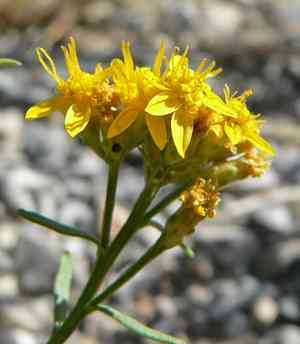
Broom snakeweed (Gutierrezia sarothrae)
Also known as: Matchbrush, Turpentine weed, Texas snakeweed
Broom snakeweed (Gutierrezia sarothrae), often called broomweed or snakeweed, is a versatile shrub in the daisy family. Indigenous peoples traditionally used its rigid stems to craft brooms. This hardy plant thrives in harsh environments such as drought-prone areas, rocky soils, and high altitudes. Additionally, its twigs have historically been used as kindling for fires.
Attributes of Broom snakeweed
Images of Broom snakeweed
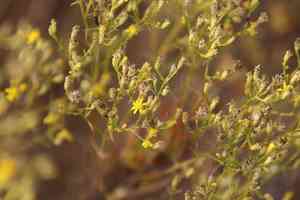
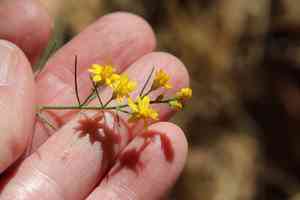
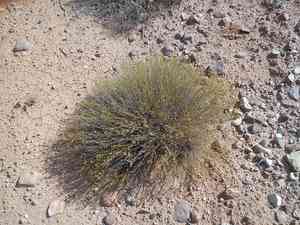
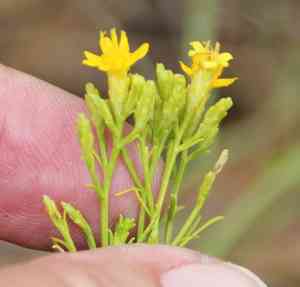
Quickly Identify Broom snakeweed
Scientific Classification of Broom snakeweed
Planting and Growing of Broom snakeweed
 How to Water Broom snakeweed?
 What Are the Sunlight Requirements for Broom snakeweed?
 What Is the Ideal Temperature Range for Broom snakeweed?
 What Soil is Best for Broom snakeweed?
 How to Fertilize Broom snakeweed?
 How to Prune Broom snakeweed?
 How to Propagate Broom snakeweed plant?
 How to Repot Broom snakeweed plant?
Toxicity of Broom snakeweed
Is Broom snakeweed toxic to cat?
Broom snakeweed is recognized as a harmful plant for cats. Incidents of exposure typically happen when cats inadvertently consume the plant. Following ingestion, cats may exhibit symptoms of physical distress or illness that could be alarming. The toxic compounds found in broom snakeweed are particularly associated with its sap or juice. Cat owners must be vigilant about the risk of poisoning and are recommended to supervise their feline friends in the vicinity of this plant. If there is a suspicion that a cat has been poisoned by broom snakeweed, prompt veterinary care is essential to safeguard the pet's health and well-being.
Is Broom snakeweed toxic to dog?
Broom snakeweed is a toxic plant that presents a serious threat to dogs if ingested. Dogs might inadvertently consume portions of broom snakeweed, resulting in poisoning. The chief concern regarding broom snakeweed lies in its sap or juice, which harbors the toxic compounds responsible for detrimental health effects in dogs. Upon consumption, dogs might display a range of symptoms that indicate poisoning, such as vomiting, diarrhea, lethargy, and potentially more severe manifestations like seizures or liver failure, depending on the quantity ingested. It is essential for dog owners to remain alert and to prevent their pets from gaining access to areas where broom snakeweed flourishes. Should a dog be suspected of having ingested broom snakeweed, seeking immediate veterinary assistance is vital to effectively manage the symptoms and mitigate the risk of long-term health issues.



