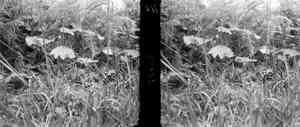
Gunnera (Gunnera) (Gunnera)
Also known as: Giant Rhubarb, Dinosaur Food
Gunnera plants are recognized for their large leaves and are often used as ornamental plants in temperate regions. Certain species have edible stalks, notably Gunnera tinctoria in Chile and Argentina, and Gunnera perpensa in southern Africa. Gunnera perpensa is particularly noted for its use in traditional beer-making in southern Africa.
In This Article
Attributes of Gunnera (Gunnera)
Lifespan
Perennial
Plant Height
Up to 2-3 meters (6-10 feet)
Spread
Up to 3 meters (10 feet)
Leaf Color
Green
Flower Size
Small flowers about a few millimeters
Flower Color
Reddish-green
Images of Gunnera (Gunnera)
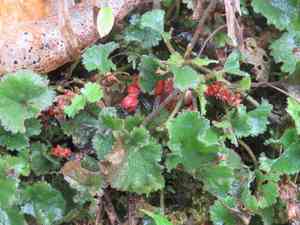
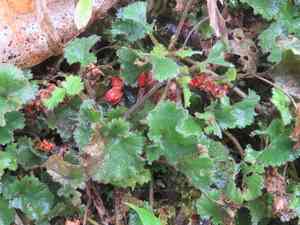
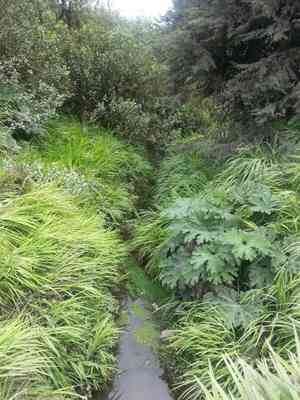
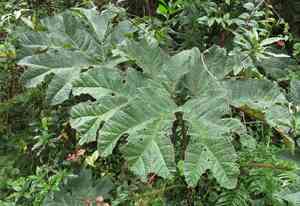
Quickly Identify Gunnera (Gunnera)
1
Identify Gunnera by its large, rough-textured leaves which can span several feet in diameter. The plant often looks prehistoric due to its massive size.
Scientific Classification of Gunnera (Gunnera)
Phylum
Tracheophyta
Class
Magnoliopsida
Order
Gunnerales
Family
Gunneraceae
Genus
Gunnera
Planting and Growing of Gunnera (Gunnera)
Care Difficulty
Moderate
Watering Schedule
Every 4 days
Sunlight Requirements
Partial sun
Sunshine Duration
4-8 hours
Ideal Temperature
60-75℉
Soil Type
Potting Mix, Peat Mix
Soil pH
5.5-7
Fertilizer Type
Balanced
Pruning Season
Spring, Summer
Pruning Area
Branches, Leaves
Pruning Frequency
2 times a year
Repotting Season
Spring
Pot Type
Plastic, Ceramic
 How to Water Gunnera (Gunnera)?
Gunnera requires quite a lavish amount of water due to its large leaves and preference for moist environments. Make sure the soil remains consistently moist but not waterlogged, ensuring the water reaches at least 20 cm deep into the soil to nourish its extensive root system.
What are the symptoms of an underwatered Gunnera (Gunnera)?
›
What should I do if my Gunnera (Gunnera) is not getting enough water?
›
What are the symptoms of an overwatered Gunnera (Gunnera)?
›
How to save an overwatered Gunnera (Gunnera)?
›
 What Are the Sunlight Requirements for Gunnera (Gunnera)?
Gunnera's ideal light range involves partial sun conditions. This setup allows it to photosynthesize efficiently without the risk of overexposure, supporting lush growth and maintaining optimal moisture levels for hearty plant development.
How much sunlight does Gunnera need?
›
What are the optimal sun exposure tactics for Gunnera?
›
What benefits do ideal lighting conditions offer for Gunnera?
›
 What Is the Ideal Temperature Range for Gunnera (Gunnera)?
The ideal temperature range for the growth of Gunnera is between 60°F and 75°F. This range provides optimal conditions for photosynthesis and metabolic processes, promoting healthy foliage and robust growth. It's important to maintain this temperature to ensure the plant's overall health and vitality.
 What Soil is Best for Gunnera (Gunnera)?
Gunnera thrives best in well-drained soils to prevent root rot. Adequate drainage ensures that water doesn't stagnate around the roots, promoting healthy growth and vibrant foliage. High organic content is crucial for Gunnera as it supports the massive leaf structure and its rapid growth. Nutrient-rich soil boosts health and vigor, leading to larger leaf development. Moist conditions are ideal for Gunnera since they mimic the plant’s natural habitat. Consistent moisture levels help maintain the plant's impressive size and lush appearance.
 How to Fertilize Gunnera (Gunnera)?
When fertilizing Gunnera, use a balanced fertilizer such as a 10-10-10 NPK formula. For liquid fertilizers, dilute according to the package instructions and use about 1/2 cup per plant. For slow-release fertilizers, use about 1 tablespoon per square foot around the base of the plant.
 How to Prune Gunnera (Gunnera)?
Start by identifying any large leaves that have wilted or turned brown. Using your shears, cut these leaves back to the base. Be careful to avoid cutting any new growth. Then, move on to trimming any leaves that are blocking pathways or overshadowing smaller plants. Finally, stand back and assess the overall shape, making additional trims as needed to maintain a balanced look. Pruning should always aim to serve the health of the plant. Remove diseased or damaged leaves first to prevent spread to healthy areas. Then proceed with shaping, keeping in mind the natural structure of Gunnera, which thrives with ample space. Don't prune excessively just for aesthetics; always prioritize plant health over appearance.
 How to Propagate Gunnera (Gunnera) plant?
1
Start by sowing Gunnera seeds in a seed tray filled with well-draining soil mix. Lightly press the seeds into the surface and cover them with a thin layer of soil. Keep the tray in a warm, bright location, but avoid direct sunlight.
2
Ensure consistent soil moisture by gently watering the seedlings. Avoid overhead watering, which can dislodge seeds; instead, use a gentle spray or water from the bottom. Maintain humidity by covering the tray with a plastic lid or wrap.
3
During early spring, dig out mature Gunnera plants and carefully separate the rhizomes using a sharp knife. Each division should contain at least one or two buds. Replant the divided sections promptly in a well-prepared garden bed with good drainage.
 How to Repot Gunnera (Gunnera) plant?
1
Look for signs such as roots emerging from the pot's drainage holes, or if the plant appears cramped and growth has slowed. Ideally, repotting should be done in spring or summer when the plant is actively growing, allowing it to quickly adapt to the new soil.
2
Select a pot that is 1-2 inches larger in diameter than the current one. Ensure it has good drainage holes to prevent waterlogging. A slightly larger pot provides Gunnera ample space to spread its roots, promoting healthier growth and vigor.
3
Opt for a rich, well-draining loam to support the plant's nutrient needs. This kind of soil holds enough moisture while preventing root rot, providing an ideal balance of water and aeration for healthy growth.
Learn More About Gunnera (Gunnera) Diseases
Anthracnose
Bacterial Leaf Spot
Bacterial Soft Rot
Chemical Injury
Crown Gall
Damping-off
Downy Mildew
Drought Stress
Fusarium Wilt
Gray Mold
Leaf Spot
Mosaic
Nutrient Deficiency
Nutrient Toxicity
Powdery Mildew
Root Rot
Root-knot Nematode
Rusts
Sooty Mold
Spider Mites
Temperature Stress
Thrips Damage
White Mold

