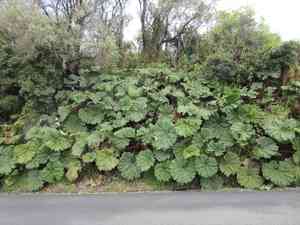
Poorman's umbrella (Gunnera insignis)
Also known as: None known
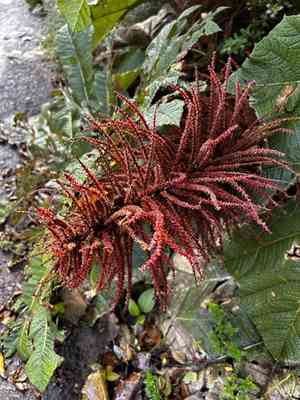
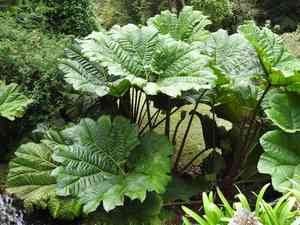
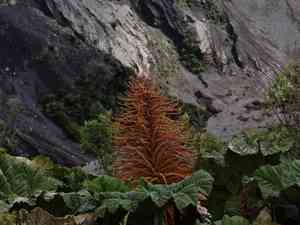
The poorman's umbrella is notable for its enormous, umbrella-shaped leaves that form a dense canopy over moist, shaded forest floors. These massive leaves, which can spread several meters wide, effectively capture sunlight, limiting the amount available to plants below and thereby restricting their growth. Additionally, its prominent, spiky red flower cones stand out against the lush green leaves, creating a striking visual contrast.
In This Article
Attributes of Poorman's umbrella
Lifespan
Perennial
Plant Type
Herb
Plant Height
6-10 feet
Spread
4-6 feet
Leaf Color
Green
Flower Size
Up to 1 foot
Flower Color
Red or Orange
Images of Poorman's umbrella
Quickly Identify Poorman's umbrella
1
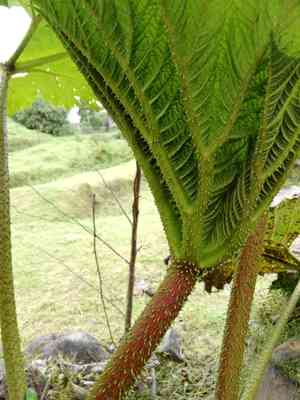
To identify Gunnera insignis, look for its large, peltate (umbrella-like) leaves with serrated edges and prominent veins, which can grow up to 4-6 feet in diameter.
Scientific Classification of Poorman's umbrella
Phylum
Vascular plants
Class
Dicotyledons
Order
Gunnerales
Family
Gunnera
Genus
Gunnera
Species
Poorman's umbrella
Planting and Growing of Poorman's umbrella
Care Difficulty
Hard
Watering Schedule
Every 2 days
Sunlight Requirements
Partial sun
Sunshine Duration
4-8 hours
Ideal Temperature
70-85℉
Soil Type
Potting Mix, Peat Mix
Soil pH
6.5-7.5
Fertilizer Type
Balanced
Pruning Season
Spring, Summer
Pruning Area
Branches, Leaves
Pruning Frequency
2 times a year
Repotting Season
Spring
Pot Type
Plastic, Ceramic
 How to Water Poorman's umbrella?
The Gunnera insignis requires a substantial amount of water due to its natural habitat in tropical and moist environments. The soil should be drenched sufficiently until water seeps slightly from the drainage holes at the bottom of the pot. This ensures the roots receive thorough hydration, helping the plant maintain its enormous leaf size and lush appearance.
What are the symptoms of an underwatered Poorman's umbrella?
›
What should I do if my Poorman's umbrella is not getting enough water?
›
What are the symptoms of an overwatered Poorman's umbrella?
›
How to save an overwatered Poorman's umbrella?
›
 What Are the Sunlight Requirements for Poorman's umbrella?
Gunnera insignis should ideally be placed where it can receive partial sun exposure. This allows the plant to soak in enough light for photosynthesis while being shielded from direct intense sunlight, promoting robust growth and reducing stress and degradation of leaf tissues.
What is the best lighting for Gunnera insignis?
›
Why is partial shade important for this plant?
›
Effects of optimal sunlight on its growth
›
 What Is the Ideal Temperature Range for Poorman's umbrella?
For optimal growth, Gunnera insignis thrives best in temperatures ranging from 70°F to 85°F. This range provides the right conditions for its metabolic activities and overall health, allowing the plant to exhibit its beautiful foliage and robust growth. Maintaining consistent temperature within this interval can help ensure that the plant remains strong and resilient against common stress factors.
 What Soil is Best for Poorman's umbrella?
Gunnera insignis thrives in soil that retains moisture well. Ensuring the soil is rich in organic matter will provide a consistent moisture level, which helps in the plant's growth and vigorous leaf production. Rich, nutrient-dense soil is ideal for Gunnera insignis. The soil should be enriched with compost or well-rotted manure to supply the plant with essential nutrients, facilitating robust growth and vibrant foliage. While Gunnera insignis requires moisture, the soil must also allow for good drainage to prevent root rot. Proper drainage ensures the roots have access to oxygen, contributing to overall plant health and resilience.
 How to Fertilize Poorman's umbrella?
For Gunnera insignis, use a balanced fertilizer with equal parts nitrogen, phosphorus, and potassium. Apply about 100 grams per square meter for solid fertilizers and follow label instructions for liquid types.
 How to Prune Poorman's umbrella?
Begin by examining the plant for any dead or damaged leaves. Use a clean pair of sharp scissors or garden shears to cut these back to the base. Always aim to cut just above a bud or leaf node to encourage regrowth. Next, thin out any crowded areas to improve air circulation — this helps prevent fungal issues. After pruning, water the plant gently to assist recovery and ensure the debris is cleared to keep the area tidy. Newly emerging leaves on Gunnera insignis are particularly delicate and should be handled with care. Avoid pruning near visible new growth as it can easily be damaged, hindering the plant's development. Focus instead on the more mature foliage when carrying out significant trimming.
More About Pruning Techniques→
 How to Propagate Poorman's umbrella plant?
1
Collect seeds from the Gunnera insignis and clean them thoroughly. Allow them to dry for a few days, which reduces chances of fungal infections during germination.
2
Use a seed tray filled with moist, well-draining soil. Sow the seeds on the surface and lightly cover them with a thin layer of soil, ensuring they receive sufficient light for germination.
3
Carefully remove the plant from the ground. Use a sharp spade to separate the plant into sections, ensuring each division has roots and a growing point for successful propagation.
 How to Repot Poorman's umbrella plant?
1
Gunnera insignis should be repotted when you notice its roots begin to circle the pot, indicating it's becoming root-bound. Additionally, if the soil quality has declined or drainage is poor, these are signs it’s time to repot. The ideal time for this process is spring or early summer when the plant is entering its active growth phase.
2
Choose a pot that's 2 to 3 inches larger in diameter than the current one. This extra space promotes adequate root growth and reduces the likelihood of the plant becoming root-bound quickly again. Additionally, ensure your pot has excellent drainage to prevent waterlogging, which can harm roots.
3
Opt for a rich, well-drained soil to support healthy Gunnera growth. This type of soil will facilitate good moisture retention while still allowing excess water to escape, preventing root rot. A mix of loamy soil with compost often works best for providing the necessary nutrients.
Learn More About Poorman's umbrella Diseases
Anthracnose
Bacterial Leaf Spot
Bacterial Soft Rot
Chemical Injury
Crown Gall
Damping-off
Downy Mildew
Drought Stress
Fusarium Wilt
Gray Mold
Leaf Spot
Mosaic
Nutrient Deficiency
Nutrient Toxicity
Powdery Mildew
Root Rot
Root-knot Nematode
Rusts
Sooty Mold
Spider Mites
Temperature Stress
Thrips Damage
White Mold



