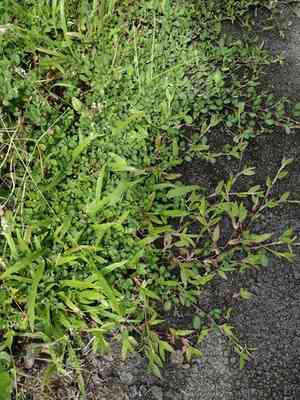
Grona triflora (Grona triflora)
Also known as: Grona triflora
Grona triflora, also referred to as the creeping tick trefoil or the three-flower beggarweed, belongs to the Fabaceae family of plants. Its natural habitat is located in the tropical regions worldwide. Furthermore, it has been introduced to subtropical locales, such as the southern parts of the United States.
In This Article
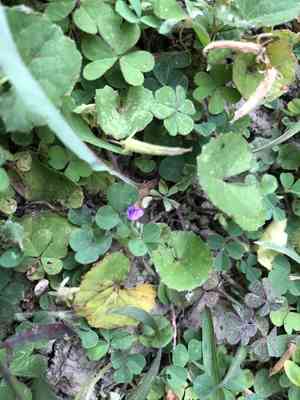
Images of Grona triflora
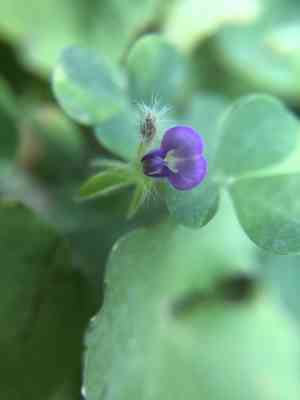
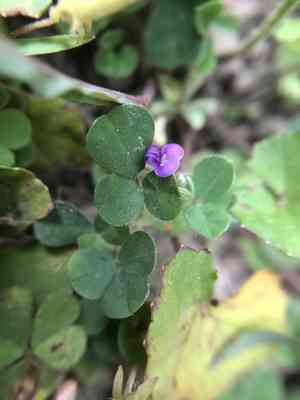
Scientific Classification of Grona triflora
Phylum
Tracheophyta
Class
Magnoliopsida
Order
Fabales
Family
Fabaceae
Genus
Grona
Species
G. triflora
Planting and Growing of Grona triflora
Watering Schedule
Every 2 days
Sunlight Requirements
Partial sun
Sunshine Duration
4-8 hours
Ideal Temperature
68-77℉
Soil Type
Potting Mix, Peat Mix
Soil pH
6-7.5
Fertilizer Type
Balanced
Pruning Season
Spring, Summer
Pruning Area
Branches, Leaves
Pruning Frequency
2 times a year
Repotting Season
Spring
Pot Type
Plastic, Ceramic
 How to Water Grona triflora?
When watering Grona triflora, aim to provide around 250 milliliters of water per session, ensuring that the soil is moistened thoroughly without becoming waterlogged. The goal is to dampen the root zone adequately, but avoid letting water pool at the bottom of the pot or garden bed, as excessive moisture can lead to rot.
What are the symptoms of an underwatered Grona triflora?
›
What should I do if my Grona triflora is not getting enough water?
›
What are the symptoms of an overwatered Grona triflora?
›
How to save an overwatered Grona triflora?
›
 What Are the Sunlight Requirements for Grona triflora?
Partial sun to full shade is ideal. This range allows Grona triflora to grow healthily, mimicking its natural environment and preventing issues like leaf scorching or stunted growth.
Is Grona triflora shade-loving?
›
How can I provide optimal lighting?
›
What benefits arise from ideal lighting?
›
 What Is the Ideal Temperature Range for Grona triflora?
The ideal temperature range for Grona triflora is between 68°F and 77°F. This range supports optimal photosynthesis and plant growth. Maintaining this temperature range ensures the plant's metabolic processes function efficiently, promoting healthy leaves and vibrant blooms.
 What Soil is Best for Grona triflora?
Grona triflora thrives in well-drained soil. Proper drainage prevents root rot and ensures aeration, enhancing nutrient absorption and promoting robust growth. While preferring well-drained soil, Grona triflora benefits from slight moisture retention, requiring consistent watering without waterlogging to keep it healthy and vibrant. A nutrient-rich soil high in organic matter supports Grona triflora’s growth by providing essential nutrients for strong stem and leaf development and flowering.
 How to Fertilize Grona triflora?
Grona triflora appreciates a balanced feeding schedule. Typically, for liquid fertilizers, a diluted solution of 20-20-20 NPK (about 50% of the recommended concentration) is suitable. In terms of solid fertilizers, ensure you distribute about 1-2 teaspoons around the soil surface, avoiding the base of the plant. This helps ensure the plant receives adequate nutrients without overwhelming its root system.
 How to Prune Grona triflora?
Before you start pruning, it's crucial to understand the plant's natural growth pattern. Grona triflora tends to grow in a bushy form with multiple stems. Identify the main stems and assess which parts require trimming to promote healthy growth. Using sharp, sanitized pruning shears, begin by trimming back any overgrown branches. Focus on cutting at a 45-degree angle just above a bud to encourage new growth. Remove any branches that are dead, diseased, or crossing over each other to enhance aeration and sunlight penetration. Prune the plant into a desired shape by shortening excessively long stems and maintaining a balanced form. This not only improves the plant's aesthetic appeal but also ensures that light can reach all parts of the plant, promoting even growth.
 How to Propagate Grona triflora plant?
1
Collect seeds from mature plants in the spring when they are fully developed. Ensure that the seeds are dry before storing them. Clean the seeds by removing any surrounding plant material to prevent mold during storage.
2
Select healthy stems and cut them into sections of 4-6 inches in length. Make sure to cut just below a node and remove any leaves from the lower half of the cutting. Dip the cut end into rooting hormone to promote root development.
3
Divide the plant in early summer when it is actively growing. Carefully dig up the plant and separate the root ball into smaller sections, ensuring each division has both roots and shoots. Replant immediately in well-draining soil.
 How to Repot Grona triflora plant?
1
Grona triflora typically needs repotting when you observe roots emerging through the drainage holes at the bottom of the pot. This signals that the plant requires more space to continue thriving. Additionally, when the growth seems stunted or the plant appears root-bound, it's time to consider repotting. Ideally, these signs most often appear in spring or autumn, which are optimal times due to the plant's natural growth cycle.
2
When selecting a new pot for Grona triflora, ensure it is slightly larger than the current one and has ample drainage holes. Clay pots are recommended for their breathability, which aids in the aeration of the soil and prevention of root rot, ensuring the plant's roots have enough space and ventilation to thrive, ultimately promoting robust growth.
3
For Grona triflora, a well-draining loamy soil enriched with organic matter is paramount. This ensures proper moisture retention while allowing excess water to escape, which prevents root rot. Additionally, the organic matter provides essential nutrients that help the plant establish itself in its new pot, facilitating healthy development and resilience.

