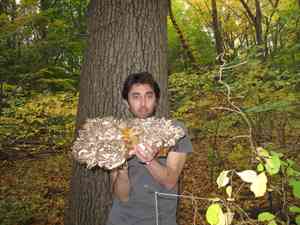
Hen-of-the-woods (Grifola frondosa)
Also known as: Sheep's head
A notable example is the Hen-of-the-Woods fungus, which commonly appears in rosette-like clusters at the base of oak trees. This fungus targets the roots of living hardwood trees. When young, it is edible and is even cultivated in Japan on compressed sawdust.
In This Article
Attributes of Hen-of-the-woods
Lifespan
Perennial
Plant Height
24 inches
Spread
24 inches
Leaf Color
Not applicable; this is a fungus, not a traditional plant with leaves.
Flower Size
Not applicable; does not produce flowers.
Flower Color
Not applicable; does not produce flowers.
Images of Hen-of-the-woods
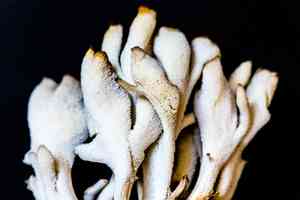
Quickly Identify Hen-of-the-woods
1
Look for large, overlapping clusters of fan-shaped caps that are gray to brown in color. The undersides of the caps have numerous small, white pores rather than gills. The stem structure is sturdy and whitish.
Scientific Classification of Hen-of-the-woods
Phylum
Club fungi
Class
Mushroom-forming fungi
Order
Shelf fungi
Family
Meripilaceae
Genus
Hen-of-the-woods
Species
Hen-of-the-woods
Planting and Growing of Hen-of-the-woods
Care Difficulty
Hard
Watering Schedule
Every 4 days
Sunlight Requirements
Partial sun
Sunshine Duration
6-10 hours
Ideal Temperature
68-77℉
Soil Type
Potting Mix, Peat Mix
Soil pH
6.5-7.5
Fertilizer Type
Balanced
Pruning Season
Spring, Summer
Pruning Area
Branches, Leaves
Pruning Frequency
2 times a year
Repotting Season
Spring
Pot Type
Plastic, Terracotta
 How to Water Hen-of-the-woods?
The Maitake mushroom, Grifola frondosa, requires moderate watering. Each watering should be around 500 milliliters. Ensure the soil is moist, but not waterlogged, allowing excess water to drain thoroughly to mimic its natural habitat conditions.
What are the symptoms of an underwatered Hen-of-the-woods?
›
What should I do if my Hen-of-the-woods is not getting enough water?
›
What are the symptoms of an overwatered Hen-of-the-woods?
›
How to save an overwatered Hen-of-the-woods?
›
 What Are the Sunlight Requirements for Hen-of-the-woods?
Partial sunlight or full shade is ideal for Grifola frondosa, promoting vigorous growth and productive fruiting. Adequate light balances its photosynthesis processes, essential for mushroom health and yield.
How much light does Grifola frondosa need?
›
What solutions help achieve ideal light conditions?
›
What are the benefits of ideal light conditions?
›
 What Is the Ideal Temperature Range for Hen-of-the-woods?
Grifola frondosa thrives best in temperatures between 68°F and 77°F. This range promotes optimal enzymatic activities and metabolic processes vital for the healthy growth of this mushroom species.
 What Soil is Best for Hen-of-the-woods?
Grifola frondosa thrives in soil that can retain moisture without becoming waterlogged. This ensures that the mycelium has a consistent supply of moisture to facilitate healthy growth and fruiting. It also helps in maintaining the delicate balance needed for fungal development. The plant benefits from nutrient-rich soils that have ample organic matter. This not only provides essential nutrients but also supports a dynamic microbial ecosystem that aids in the breakdown of organic materials, further nourishing Grifola frondosa. Although it requires moisture, Grifola frondosa also needs well-drained soil to prevent root rot. Adequate drainage ensures that excess water percolates away swiftly, protecting the fungus from diseases associated with waterlogged conditions.
 How to Fertilize Hen-of-the-woods?
Grifola frondosa requires balanced and careful fertilization to thrive. For liquid fertilizers, use a balanced 10-10-10 formula at half strength, applying 100 ml for an area of around one square foot. For slow-release fertilizers, use approximately 1-2 tablespoons per plant per application.
 How to Prune Hen-of-the-woods?
Begin by identifying dead or crowded areas of Grifola frondosa. Look for damaged or discolored branches which could be indicators of stress or disease. Clearing these areas can make the plant healthier and more aesthetically pleasing. Ensure you have sterilized, sharp pruning shears. This prevents the spread of any disease between cuts. A clean cut is more likely to heal quickly and prevent infection, safeguarding the plant’s overall health. Prune by cutting at a slight angle, away from the main stem. This type of cut allows water to run off, reducing the risk of rot and helping the tissue to heal faster. When pruning Grifola frondosa, prioritize opening the plant up for better airflow. Improved airflow reduces humidity around the plant, which can decrease the incidence of fungal diseases.
 How to Propagate Hen-of-the-woods plant?
1
Begin by watering the Grifola frondosa thoroughly a day before division to ensure the roots are hydrated and the soil is moist, making them easier to separate.
2
Using a sterilized knife, carefully cut through the roots of the Grifola frondosa to create smaller sections, ensuring each section has a healthy amount of roots and foliage.
3
Plant each divided section into a well-draining medium. Firm the soil around each section and water thoroughly to help establish the new divisions.
 How to Repot Hen-of-the-woods plant?
1
Look for signs such as the roots starting to emerge from drainage holes or the mushroom growth slowing down significantly. This indicates the plant is root-bound and in need of more space to flourish.
2
Opt for a pot that is slightly larger than the current one, with adequate drainage holes. This prevents waterlogging and provides enough room for the mushrooms to expand, ensuring a healthier growth environment.
3
Select a well-draining soil mix rich in organic matter. This type of soil not only helps retain necessary moisture but also provides essential nutrients for Grifola frondosa to thrive and expand its mycelium network.

