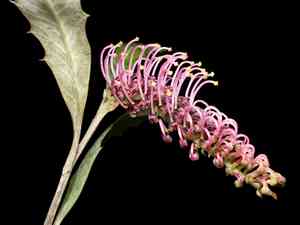
Spider Flowers (Grevillea) (Grevillea)
Also known as: Toothbrush plant
Spider Flowers, or Cleome, are popular with gardeners aiming to support local wildlife due to their striking, open blooms that attract essential pollinators like bees, butterflies, and hummingbirds. These plants are valued for their extended blooming season, making them a reliable nectar source. Additionally, their tall, bushy growth provides shelter and habitat for small animals. Cleome plants are easy to grow, hardy, and require minimal maintenance, making them an excellent choice for eco-friendly gardening.
In This Article
Attributes of Spider Flowers (Grevillea)
Lifespan
Perennial
Plant Height
91 cm to 6 m
Spread
1.2 m to 6 m
Leaf Color
Green, can be dark green to gray-green
Flower Size
Up to 5 cm
Flower Color
Red, yellow, orange, pink, white
Images of Spider Flowers (Grevillea)
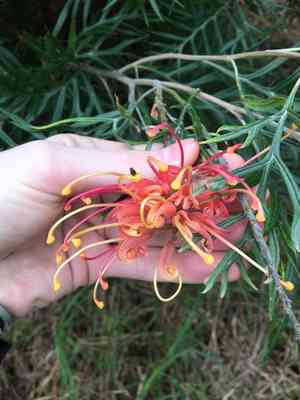
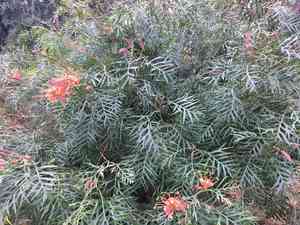
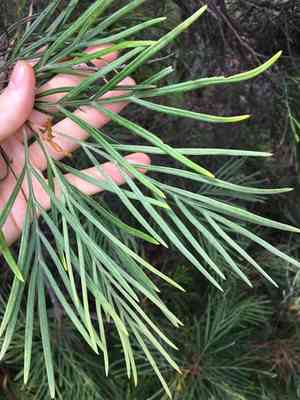
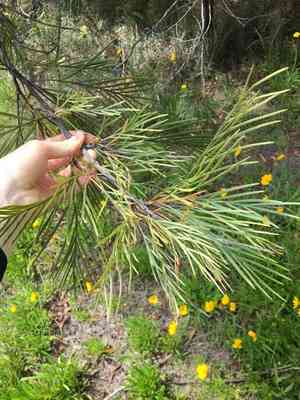
Quickly Identify Spider Flowers (Grevillea)
1
Look for elongated leaves, often dissected or fern-like. Grevillea flowers are typically arranged in a \'spider-like\' formation with long, curved styles. These plants often have proteoid roots, which are dense clusters of rootlets.
Scientific Classification of Spider Flowers (Grevillea)
Phylum
Magnoliophyta
Class
Magnoliopsida
Order
Proteales
Family
Proteaceae
Genus
Grevillea
Planting and Growing of Spider Flowers (Grevillea)
Care Difficulty
Moderate
Watering Schedule
Every 2 days
Sunlight Requirements
Full sun
Sunshine Duration
4-8 hours
Ideal Temperature
60-75℉
Soil Type
Potting Mix, Peat Mix
Soil pH
4.5-7.5
Fertilizer Type
Balanced
Pruning Season
Spring, Summer
Pruning Area
Branches, Leaves
Pruning Frequency
2 times a year
Repotting Season
Spring
Pot Type
Plastic, Terracotta
 How to Water Spider Flowers (Grevillea)?
When watering Grevillea, aim for about 250 ml each time, ensuring the soil is moistened but not saturated. The key is to keep the soil slightly moist, as overwatering can lead to root rot. Ideally, water until you see it begin to drain out of the bottom, but avoid leaving the plant sitting in water. This mimics its natural environment where rainfall is occasional but significant.
What are the symptoms of an underwatered Spider Flowers (Grevillea)?
›
What should I do if my Spider Flowers (Grevillea) is not getting enough water?
›
What are the symptoms of an overwatered Spider Flowers (Grevillea)?
›
How to save an overwatered Spider Flowers (Grevillea)?
›
 What Are the Sunlight Requirements for Spider Flowers (Grevillea)?
Grevillea flourishes best in full sun to partial sun conditions, benefiting from at least five to eight hours of direct sunlight daily. This ensures optimal photosynthesis and resistance to pests and diseases.
What is the ideal light intensity for Grevillea?
›
How to position Grevillea for best light exposure?
›
What are the benefits of ideal lighting for Grevillea?
›
 What Is the Ideal Temperature Range for Spider Flowers (Grevillea)?
The ideal temperature range for Grevillea is between 60°F and 75°F. This range provides the plant with optimal conditions for growth and flowering, ensuring it remains healthy and vibrant. In this temperature range, Grevillea can photosynthesize effectively, maintain cellular functions, and resist pest infestations.
 What Soil is Best for Spider Flowers (Grevillea)?
Grevillea thrives in soils with excellent drainage. This requirement prevents waterlogging, which can lead to root rot and other diseases. Well-drained soil helps maintain optimal root health and supports vibrant growth. These plants prefer low-fertility soils. In nutrient-rich environments, they may grow excessively lush foliage at the expense of flowering. Minimal fertilization encourages robust flowering and maintains the plant's natural low-maintenance appeal. A slightly acidic soil pH of around 5.0 to 6.5 mimics Grevillea’s natural habitat. This range enhances nutrient absorption, promoting healthy development and vibrant flowering.
 How to Fertilize Spider Flowers (Grevillea)?
For Grevillea, it is essential to apply fertilizers sparingly as they are sensitive to phosphorus. A small amount of low-phosphorus fertilizer is ideal. Use about half the recommended dose on the fertilizer label, ensuring not to overwhelm the plant’s root system, which could otherwise cause damage.
 How to Prune Spider Flowers (Grevillea)?
Always wear gloves when pruning Grevillea, as its sap can be an irritant to some people's skin. Additionally, ensure you're wearing protective eyewear to guard against debris. Before you begin pruning, inspect your Grevillea for signs of pests or diseases. Pruning infected sections can worsen the plant's health or spread issues, so treat any problems beforehand. When trimming, aim to cut just above a node to encourage new growth from this point. The fresh shoots that grow will be denser and provide a fuller appearance once mature.
 How to Propagate Spider Flowers (Grevillea) plant?
1
For seed propagation, collect mature seeds from dried seed pods. For cuttings, select healthy, semi-hard stems from the current season's growth.
2
Mix a well-draining growing medium, such as a combination of peat and perlite, to provide a suitable environment for seed germination or rooting of cuttings.
3
Plant seeds just below the surface, or place cuttings in the medium with at least two nodes buried. Water lightly to keep the medium moist but not waterlogged.
 How to Repot Spider Flowers (Grevillea) plant?
1
Grevilleas need repotting when their roots begin to fill the pot, often visible when roots start emerging from drainage holes or when growth slows. Spring or autumn is the best time due to moderate temperatures.
2
Choose a pot that is only 1-2 inches larger in diameter to prevent overwatering. A pot with good drainage holes ensures root health by preventing waterlogged soil, which can lead to rot.
3
Opt for a well-draining potting mix, ideally mixed with sand or perlite, to simulate the plant's native habitat. This prevents root rot by allowing excess water to escape easily.
Toxicity
Ingestion
WARNING
The judgment on toxicity and danger is for reference only. We DO NOT GUARANTEE any accuracy of such judgment. Therefore, you SHALL NOT rely on such judgment. It is IMPORTANT TO SEEK PROFESSIONAL ADVICE in advance when necessary.
Learn More About Spider Flowers (Grevillea) Diseases
Anthracnose
Bacterial Leaf Spot
Black Spot
Chemical Injury
Crown Gall
Damping-off
Downy Mildew
Drought Stress
Fusarium Wilt
Gray Mold
Leaf Curl
Leaf Spot
Mosaic
Nutrient Deficiency
Nutrient Toxicity
Powdery Mildew
Root Rot
Root-knot Nematode
Rusts
Sooty Mold
Spider Mites
Temperature Stress
Thrips Damage
White Mold

