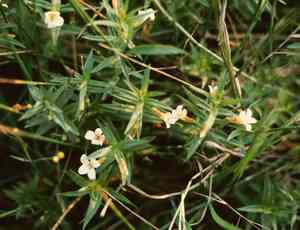
Gratiola (Gratiola) (Gratiola)
Also known as: Hedgehyssop
Gratiola is a genus of flowering plants in the family Plantaginaceae. These plants are commonly found in wet, marshy areas and are known for their small, tubular flowers. They are often used in traditional medicine for their purported healing properties.
In This Article
Attributes of Gratiola (Gratiola)
Lifespan
Perennial
Plant Height
10-30 cm
Spread
15-20 cm
Leaf Color
Green
Flower Size
1-2 cm
Flower Color
White, Pink
Images of Gratiola (Gratiola)
Quickly Identify Gratiola (Gratiola)
1
Gratiola can be identified by its small, opposite leaves and singular, tubular flowers which are usually white or pink. The plant often grows low to the ground in clumps.
Scientific Classification of Gratiola (Gratiola)
Phylum
Magnoliophyta
Class
Magnoliopsida
Order
Lamiales
Family
Plantaginaceae
Genus
Gratiola
Planting and Growing of Gratiola (Gratiola)
Care Difficulty
Moderate
Watering Schedule
Every 4 days
Sunlight Requirements
Partial sun
Sunshine Duration
6-10 hours
Ideal Temperature
68-77℉
Soil Type
Potting Mix, Peat Mix
Soil pH
6.5-7.5
Fertilizer Type
Balanced
Pruning Season
Spring, Summer
Pruning Area
Branches, Leaves
Pruning Frequency
2 times a year
Repotting Season
Spring
Pot Type
Plastic, Ceramic
 How to Water Gratiola (Gratiola)?
Gratiola enjoys a moderate watering approach—enough to keep the soil consistently moist without becoming waterlogged. Ideally, provide about 250 ml per watering session, ensuring the soil is wetted thoroughly but excess water is drained away.
What are the symptoms of an underwatered Gratiola (Gratiola)?
›
What should I do if my Gratiola (Gratiola) is not getting enough water?
›
What are the symptoms of an overwatered Gratiola (Gratiola)?
›
How to save an overwatered Gratiola (Gratiola)?
›
 What Are the Sunlight Requirements for Gratiola (Gratiola)?
Gratiola thrives within the ideal range of partial sunlight, enjoying morning or late afternoon sun. This light range supports optimal photosynthetic activity, promoting vigorous growth, dense foliage, and maintaining plant health long-term.
What is the best location for Gratiola?
›
How much light does Gratiola need daily?
›
Why is partial sun exposure ideal for Gratiola?
›
 What Is the Ideal Temperature Range for Gratiola (Gratiola)?
The ideal temperature range for cultivating Gratiola is between 68 and 77 degrees Fahrenheit. This range supports optimal physiological processes including photosynthesis and respiration, ensuring vibrant growth and healthy foliage. Maintaining this temperature range will promote the plant's development and help prevent issues related to both heat and cold stress.
 What Soil is Best for Gratiola (Gratiola)?
Gratiola thrives in soil that is rich in nutrients, providing essential elements that promote healthy growth and vibrant foliage. Nutrient-rich soil improves the plant's resilience against pests and diseases. This plant requires well-drained soil to prevent root rot and maintain optimal growth conditions. Proper drainage allows for air exchange and maintains healthy root systems. Soil with moderate moisture retention helps Gratiola to remain hydrated without becoming waterlogged, ensuring steady growth and development. This balance is crucial for root health.
 How to Fertilize Gratiola (Gratiola)?
Gratiola plants generally benefit from moderate fertilization. Use a balanced fertilizer at one-quarter the recommended strength for indoor plants. Apply no more than 200 ml of diluted liquid fertilizer per application. This ensures that the plant receives enough nutrients without the risk of over-fertilization, which can damage roots and impair growth.
 How to Prune Gratiola (Gratiola)?
Look for stems that are longer than desired. Identify areas of growth that seem to cluster or thicken without leaving room for new growth. These are prime targets for careful pruning. Make clean cuts at a 45-degree angle about a quarter-inch above a leaf node. This will encourage new growth at the cut site while preventing water from settling on the wound, which could lead to rot. Trim the tips of branches to maintain a balanced shape and prevent the plant from becoming too bushy. Remove stems growing toward the plant’s center to improve airflow and light penetration.
 How to Propagate Gratiola (Gratiola) plant?
1
Fill a seed tray with a well-draining seed-starting mix. Scatter Gratiola seeds evenly over the surface and cover them lightly with soil. Keep the tray in a warm spot with indirect sunlight and maintain consistent moisture.
2
Choose healthy, non-flowering stems for cuttings. Cut a section about 3-4 inches long below a node, remove the lower leaves, and plant it in a rooting medium. Maintain high humidity by covering with plastic.
3
For division, gently dig up a mature Gratiola plant. Carefully separate the root mass into smaller sections, ensuring each has viable roots. Replant these divisions in suitable pots or garden locations.
 How to Repot Gratiola (Gratiola) plant?
1
Gratiola plants need repotting when you notice roots poking out of the drainage holes or when water takes too long to drain after watering. These signs indicate that the plant has outgrown its current pot, and the root system needs more space.
2
Select a pot just one size larger than the current one to allow for growth without overwhelming the plant with too much space. A pot with excellent drainage holes is essential to prevent waterlogging, which can cause root rot. Opt for terracotta for its breathability, promoting a healthier root system.
3
A well-draining sandy mix is ideal for Gratiola. This soil ensures that excess water drains quickly, preventing root rot and other moisture-related issues. A gritty texture mimics the plant's natural habitat, providing the right mineral balance.
Toxicity
Ingestion, Contact with skin
WARNING
The judgment on toxicity and danger is for reference only. We DO NOT GUARANTEE any accuracy of such judgment. Therefore, you SHALL NOT rely on such judgment. It is IMPORTANT TO SEEK PROFESSIONAL ADVICE in advance when necessary.
Learn More About Gratiola (Gratiola) Diseases
Anthracnose
Bacterial Leaf Spot
Bacterial Soft Rot
Bacterial Wilt
Chemical Injury
Damping-off
Downy Mildew
Drought Stress
Fusarium Wilt
Gray Mold
Leaf Spot
Mosaic
Nutrient Deficiency
Nutrient Toxicity
Powdery Mildew
Root Rot
Root-knot Nematode
Rusts
Sooty Mold
Spider Mites
Temperature Stress
Thrips Damage
White Mold

