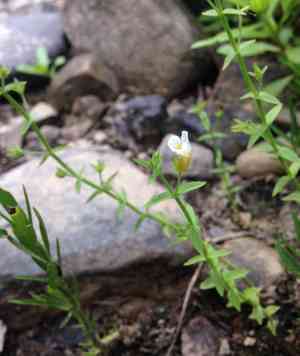
Sticky hedgehyssop (Gratiola brevifolia)
Also known as: Shortleaf Hedgehyssop, Gratiole
Sticky hedgehyssop, a low-growing perennial herb, features small, pale leaves and fragile white or pink blossoms. It is well-suited to wetland areas, flourishing in moist, nutrient-rich soils typically found at the water's edge. Known for its slender stems and dense leaf clusters, sticky hedgehyssop thrives in environments where water and land converge, making it a resilient and adaptable plant in such habitats.
In This Article
Attributes of Sticky hedgehyssop
Lifespan
Perennial
Plant Type
Herb
Plant Height
10-30 cm
Spread
Not typically measured; plant is small and spreading
Leaf Color
Green
Flower Size
0.5-1 cm
Flower Color
White to pale violet
Images of Sticky hedgehyssop
Quickly Identify Sticky hedgehyssop
1
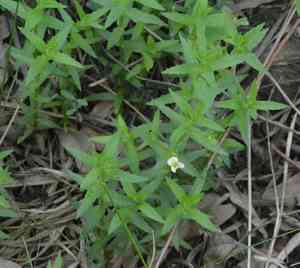
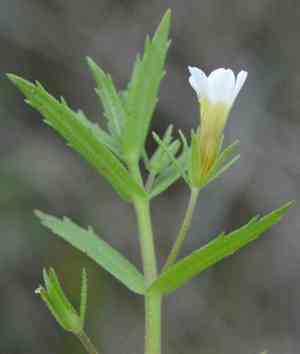
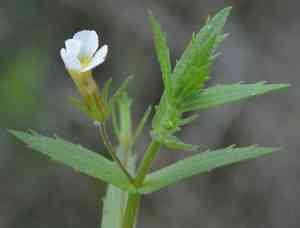
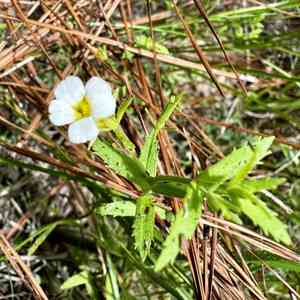
Gratiola brevifolia can be identified by its short, narrow leaves and small white to pale violet flowers with a tubular shape. The leaves are sessile and typically arranged oppositely along the stem.
Scientific Classification of Sticky hedgehyssop
Phylum
Vascular plants
Class
Dicotyledons
Order
Lamiales
Family
Plantain
Genus
Gratiola
Species
Sticky hedgehyssop
Planting and Growing of Sticky hedgehyssop
Care Difficulty
Moderate
Watering Schedule
Every 4 days
Sunlight Requirements
Partial sun
Sunshine Duration
6-10 hours
Ideal Temperature
60-75℉
Soil Type
Potting Mix, Peat Mix
Soil pH
6.5-7.5
Fertilizer Type
Balanced
Pruning Season
Spring, Summer
Pruning Area
Branches, Leaves
Pruning Frequency
2 times a year
Repotting Season
Spring
Pot Type
Plastic, Ceramic
 How to Water Sticky hedgehyssop?
Gratiola brevifolia appreciates a consistent watering routine, ensuring the soil is moist but not waterlogged. Aim to give it about 150 ml of water each session, providing a gentle soak that reaches the root zone.
What are the symptoms of an underwatered Sticky hedgehyssop?
›
What should I do if my Sticky hedgehyssop is not getting enough water?
›
What are the symptoms of an overwatered Sticky hedgehyssop?
›
How to save an overwatered Sticky hedgehyssop?
›
 What Are the Sunlight Requirements for Sticky hedgehyssop?
Gratiola brevifolia thrives best in partial sun, where it benefits from a balance of shade and sunlight, ensuring balanced growth and preventing the negative consequences of excessive light exposure while promoting robust foliage.
What is the best lighting solution for Gratiola brevifolia?
›
How can I ensure my plant gets its ideal lighting conditions?
›
What are the benefits of ideal lighting for Gratiola brevifolia?
›
 What Is the Ideal Temperature Range for Sticky hedgehyssop?
Gratiola brevifolia thrives in a temperature range between 60°F and 75°F. This range ensures optimal enzymatic activity and metabolic processes, encouraging healthy growth and reproductive development. Maintaining this temperature promotes resilience against pests and diseases.
 What Soil is Best for Sticky hedgehyssop?
Gratiola brevifolia thrives in soils with excellent drainage. This prevents waterlogging, which is crucial for avoiding root rot and promoting healthy growth. Adequate drainage ensures that the plant roots receive the necessary air circulation, leading to robust plant development. The plant prefers nutrient-rich loamy soil, offering a balance of clay, silt, and sand. Such soil provides the necessary nutrients and moisture retention, contributing to the overall health and vitality of Gratiola brevifolia. While the plant needs good drainage, it also benefits from soil that retains moisture without becoming waterlogged. This balance supports the plant's water needs and prevents stress during dry periods, promoting lush foliage.
 How to Fertilize Sticky hedgehyssop?
For Gratiola brevifolia, ensure you use a balanced 10-10-10 or 20-20-20 fertilizer. Dilute liquid fertilizer to half the recommended strength when applying, as this plant prefers not to be overwhelmed by nutrients. Ensure the soil is moist before applying to prevent root burn.
 How to Prune Sticky hedgehyssop?
To effectively prune Gratiola brevifolia, you will need a pair of sharp scissors or pruning shears. Make sure they are clean and possibly sterilized to prevent any disease transmission. Wearing gloves can also help protect your hands from cuts. Observe your plant to identify any dead, yellowing, or diseased leaves. Also, look for any branches that have grown out of the desired shape. It’s important to focus on these areas to ensure the plant remains healthy and aesthetically pleasing. When you make cuts, ensure they are clean and execute them at a slight angle above a leaf node. This encourages new growth and prevents water from sitting on the cut surface which could invite disease. Also, avoid cutting more than a third of the plant at once.
More About Pruning Techniques→
 How to Propagate Sticky hedgehyssop plant?
1
Choose a suitable seed tray and fill it with a high-quality seed-starting mix. Sow the Gratiola brevifolia seeds evenly on the surface, lightly covering them with a thin layer of soil. Keep the medium consistently moist without overwatering for optimal germination.
2
Select healthy stems from the parent plant for cuttings, making a clean cut just below a node. Each cutting should be 2-3 inches long and include at least a couple of leaves. Avoid using stems that show signs of disease or pest infestation.
3
When the plant becomes crowded, gently dig up the clump, and using a sharp knife, divide it into sections. Each division should have at least one section of roots and shoots. Replant immediately to prevent the roots from drying out.
 How to Repot Sticky hedgehyssop plant?
1
For Gratiola brevifolia, repotting is essential when you notice roots emerging from the drainage holes or the soil becomes tightly compacted, hindering water absorption. Additionally, if the plant's growth starts to slow down or it looks cramped in its current pot, these are signs it’s time to upgrade to a larger home.
2
Select a pot that is one size larger than the current one, ensuring it has adequate drainage holes. Clay or ceramic pots work well as they provide stability and better moisture regulation, mimicking the plant's natural habitat. The right pot will help prevent root rot and allow the plant to expand comfortably.
3
Choose a moist, well-draining soil mix containing peat, perlite, and a bit of coarse sand. This blend mimics its natural environment, facilitating good aeration and moisture retention, enabling Gratiola brevifolia to thrive while preventing waterlogging or root rot.
Toxicity
Ingestion, Skin contact
WARNING
The judgment on toxicity and danger is for reference only. We DO NOT GUARANTEE any accuracy of such judgment. Therefore, you SHALL NOT rely on such judgment. It is IMPORTANT TO SEEK PROFESSIONAL ADVICE in advance when necessary.
Learn More About Sticky hedgehyssop Diseases
Anthracnose
Bacterial Leaf Spot
Bacterial Soft Rot
Bacterial Wilt
Chemical Injury
Crown Gall
Cyst Nematode
Damping-off
Downy Mildew
Drought Stress
Fusarium Wilt
Gray Mold
Leaf Spot
Mosaic
Nutrient Deficiency
Nutrient Toxicity
Powdery Mildew
Root Rot
Root-knot Nematode
Rusts
Sooty Mold
Spider Mites
Temperature Stress
Thrips Damage
White Mold


