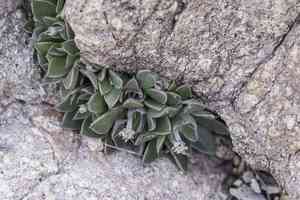
San Francisco river leather-petal (Graptopetalum rusbyi)
Also known as: San francisco river leatherpetal
The San Francisco river leather-petal (Graptopetalum rusbyi) typically thrives on shaded cliff faces. Its usually pale rosettes can turn red or violet at the tips under certain conditions. This color change is often triggered by increased sunlight, which induces pigmentation for protection, and cooler temperatures can enhance the color as well. Additionally, factors like nutrient availability and water stress might influence this coloration. In spring, this plant produces clusters of flowers on stems that can reach up to six inches tall. Interestingly, if a rosette detaches from the main plant, it can root and grow into a new plant.
In This Article
Attributes of San Francisco river leather-petal
Lifespan
Perennial
Plant Type
Herb
Plant Height
15 cm
Spread
30 cm
Leaf Color
Purple
Flower Size
1.5 cm to 2 cm
Flower Color
White Yellow Variegated
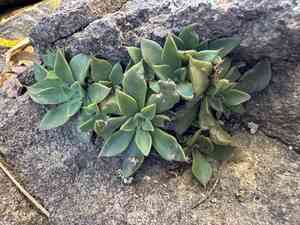
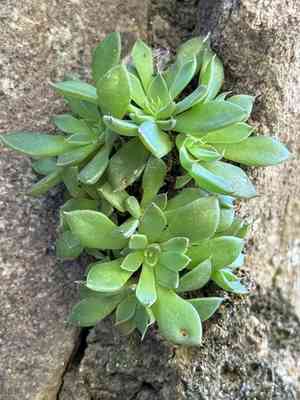
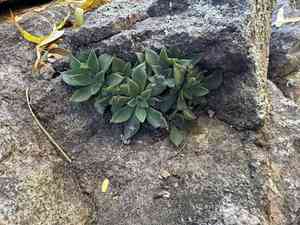
Images of San Francisco river leather-petal
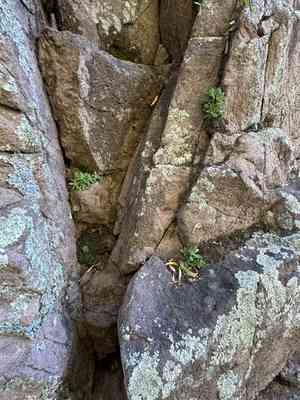
Quickly Identify San Francisco river leather-petal
1
To identify Graptopetalum rusbyi, look for fleshy, spoon-shaped leaves that form tight rosettes. The leaves are usually a pale green or grayish color, often with a powdery coating. The plant produces small, white to pale pink flowers with star-shaped petals, typically blooming in the spring.
Scientific Classification of San Francisco river leather-petal
Phylum
Vascular plants
Class
Dicotyledons
Order
Saxifragales
Family
Stonecrop
Genus
Leatherpetal
Species
San Francisco river leather-petal
Planting and Growing of San Francisco river leather-petal
Care Difficulty
Easy
Watering Schedule
Every 2 days
Sunlight Requirements
Full sun
Sunshine Duration
6-10 hours
Ideal Temperature
65-75℉
Soil Type
Potting Mix, Peat Mix
Soil pH
6.5-7.5
Fertilizer Type
Balanced
Pruning Season
Spring, Summer
Pruning Area
Branches, Leaves
Pruning Frequency
2 times a year
Repotting Season
Spring
Pot Type
Plastic, Ceramic
 How to Water San Francisco river leather-petal?
Graptopetalum rusbyi should be watered with approximately 50 milliliters of water per session. The key is to water until the soil is moistened throughout but not saturated. This succulent requires a delicate balance to thrive, mimicking its arid natural environment.
What are the symptoms of an underwatered San Francisco river leather-petal?
›
What should I do if my San Francisco river leather-petal is not getting enough water?
›
What are the symptoms of an overwatered San Francisco river leather-petal?
›
How to save an overwatered San Francisco river leather-petal?
›
 What Are the Sunlight Requirements for San Francisco river leather-petal?
This plant prefers full sun to partial sun conditions. Ideal light boosts photosynthesis, promoting brighter foliage and a more compact, appealing growth habit.
More About Sunlight Requirements Techniques→
What is the best light condition for Graptopetalum rusbyi?
›
How can I provide ideal lighting to Graptopetalum rusbyi indoors?
›
What are the benefits of ideal lighting for Graptopetalum rusbyi?
›
 What Is the Ideal Temperature Range for San Francisco river leather-petal?
Graptopetalum rusbyi thrives best in temperatures ranging from 65°F to 75°F. Within this range, the plant is most active and exhibits optimal growth and vibrant colors. This temperature range mimics its natural habitat, where the environment is neither too hot nor too cold, providing a balanced growth condition. Ensuring these temperatures are maintained can lead to a healthier plant with better resistance to diseases and better overall growth performance.
 What Soil is Best for San Francisco river leather-petal?
Graptopetalum rusbyi thrives in soil with excellent drainage. Well-drained soil prevents waterlogging, which is crucial for preventing root rot and ensuring the plant remains healthy and vibrant. The plant prefers a balanced nutrient profile in its soil. Essential nutrients like nitrogen, phosphorus, and potassium should be adequately available, promoting robust growth and vibrant foliage. Good soil aeration is essential for Graptopetalum rusbyi as it ensures that the roots receive sufficient oxygen. This is particularly important for the respiration process, ensuring a healthy root system and overall plant health.
 How to Fertilize San Francisco river leather-petal?
When fertilizing Graptopetalum rusbyi, use a balanced liquid fertilizer at half-strength to avoid over-fertilization. Dilute the fertilizer in water to keep it mild, as succulents are sensitive to high concentrations. For slow-release fertilizers, apply them sparingly as per the manufacturer’s instructions, ensuring the granules are well-dispersed in the soil.
 How to Prune San Francisco river leather-petal?
Before you start, gather sharp pruning shears, gloves, and a disinfectant for your tools. Ensuring that your tools are clean will prevent the spread of diseases. Look for leggy, stretched stems or any dead or discolored leaves. These are the primary targets for pruning, as removing them will encourage healthy growth and a more compact plant. Make clean cuts at the base of the stem or leaf you are removing. Ensure the cut is at a slight angle to prevent water from settling on the cut surface, which can lead to rot. After pruning, give your Graptopetalum rusbyi time to recover by placing it in indirect sunlight and ensuring minimal watering until you see new growth.
More About Pruning Techniques→
 How to Propagate San Francisco river leather-petal plant?
1
Start by selecting a well-draining soil mix ideal for succulents. Ensure the soil is dry and free from pests before planting seeds or cuttings to promote healthy root development.
2
Use a clean pair of pruning shears to take cuttings from a healthy adult plant. Allow the cut end to dry and callous over for a few days before planting to prevent rot.
3
Scatter seeds thinly over the surface of the prepared soil. Cover with a thin layer of soil or sand to secure them in place. Keep the soil slightly moist until germination occurs.
 How to Repot San Francisco river leather-petal plant?
1
It's time to consider repotting your Graptopetalum rusbyi when you notice the roots creeping out of the drainage holes, or when the soil dries out too quickly. Another clear signal is when the plant's growth appears stunted, suggesting that the current pot may be too cramped for the roots to expand freely.
2
Opt for a pot that is slightly larger than the current one, with ample drainage holes to prevent waterlogging. A terracotta pot is an excellent choice as it allows excess moisture to evaporate more quickly, thus keeping the soil well-aerated and preventing root rot.
3
Use a soil mix specifically designed for succulents and cacti. This blend usually contains materials like perlite or sand to improve drainage, ensuring that the roots do not remain in soggy conditions, which could lead to rot or fungal issues.



