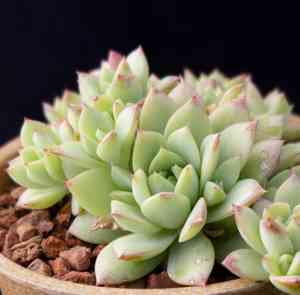
Graptopetalum macdougallii (Graptopetalum macdougallii)
Also known as: Laxmi Kamal
Graptopetalum macdougallii (Graptopetalum macdougallii) produces ground-hugging rosettes and five-petaled blossoms. Any rosette that separates from the main plant has the potential to sprout if properly planted; it will grow roots and start a new, independent plant.
In This Article
Attributes of Graptopetalum macdougallii
Lifespan
Perennial
Plant Type
Succulent
Plant Height
15 cm
Spread
30 cm
Leaf Color
Green
Flower Size
2.5 cm
Flower Color
Yellow Red
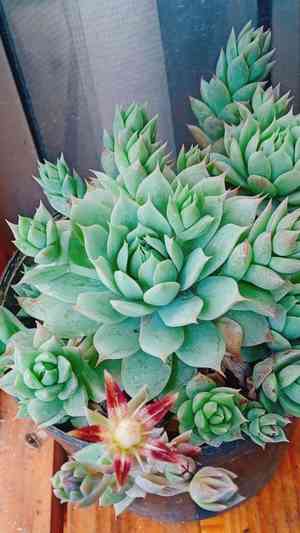
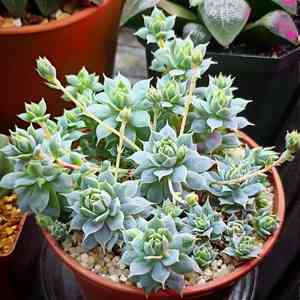
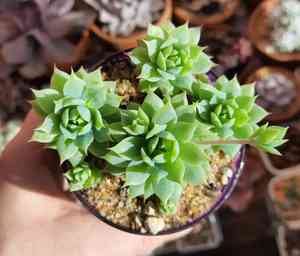
Images of Graptopetalum macdougallii
Quickly Identify Graptopetalum macdougallii
1
Graptopetalum macdougallii can be identified by its rosette-shaped leaf arrangement, thick, fleshy leaves that are a dusty green color, and its star-shaped flowers with pinkish petals. Its leaves often appear covered in a powdery bloom.
Scientific Classification of Graptopetalum macdougallii
Phylum
Vascular plants
Class
Dicotyledons
Order
Saxifragales
Family
Stonecrop
Genus
Leatherpetal
Species
Graptopetalum macdougallii
Planting and Growing of Graptopetalum macdougallii
Care Difficulty
Easy
Watering Schedule
Every 2 days
Sunlight Requirements
Full sun
Sunshine Duration
4-8 hours
Ideal Temperature
65-75℉
Soil Type
Potting Mix, Peat Mix
Soil pH
6.5-7.5
Fertilizer Type
Balanced
Pruning Season
Spring, Summer
Pruning Area
Branches, Leaves
Pruning Frequency
Once a year
Repotting Season
Spring
Pot Type
Terracotta, Plastic
 How to Water Graptopetalum macdougallii?
When watering Graptopetalum macdougallii, aim to provide about 100 milliliters of water. It prefers a thorough soaking to ensure the soil is moistened adequately. Always allow the topsoil, about an inch deep, to dry out before the next watering. This mimics its natural habitat and encourages healthy root development.
What are the symptoms of an underwatered Graptopetalum macdougallii?
›
What should I do if my Graptopetalum macdougallii is not getting enough water?
›
What are the symptoms of an overwatered Graptopetalum macdougallii?
›
How to save an overwatered Graptopetalum macdougallii?
›
 What Are the Sunlight Requirements for Graptopetalum macdougallii?
Graptopetalum macdougallii thrives in conditions offering partial sun to full sun. This range helps maintain healthy leaf coloration and flowering. Ideal light is crucial for the plant's photosynthetic efficiency, enabling robust growth and a resistance to environmental stresses.
More About Sunlight Requirements Techniques→
What type of sunlight is preferable?
›
Solutions for ideal light exposure?
›
Benefits of proper light exposure?
›
 What Is the Ideal Temperature Range for Graptopetalum macdougallii?
The ideal temperature range for Graptopetalum macdougallii is between 65°F and 75°F. This range provides the optimal condition for the plant's growth and health, promoting efficient photosynthesis and maintaining vibrant foliage. Keeping the temperature within this range helps the plant to grow steadily and remain resilient against pests and diseases.
 What Soil is Best for Graptopetalum macdougallii?
Graptopetalum macdougallii thrives in well-draining soil, which prevents waterlogging and root rot. This quality allows the roots to access air and nutrients effectively, promoting healthier growth and resilience against diseases. The plant prefers soil with moderate fertility, ensuring it receives adequate nutrients without encouraging overly lush, weak growth. Such conditions support balanced development, enhancing durability and vibrant foliage. A soil that maintains a good aerated structure ensures the roots have ample oxygen. This is crucial for nutrient absorption and overall plant health, reducing the risk of suffocation in dense soil types.
 How to Fertilize Graptopetalum macdougallii?
Graptopetalum macdougallii requires a balanced approach when it comes to fertilization. Use a diluted solution, ideally at half the strength of a standard houseplant fertilizer. This ensures that the nutrients are readily absorbed without overwhelming the roots.
 How to Prune Graptopetalum macdougallii?
Before pruning Graptopetalum macdougallii, ensure you have sharp and sterilized pruning shears to prevent disease transmission. Gather all necessary tools and prepare a clean workspace to easily collect and dispose of plant debris. Start by removing any dead or diseased leaves, cutting them off at the base. Next, trim leggy or etiolated stems back to shorter lengths to encourage bushier growth. Ensure cuts are clean and subtle to the natural growing pattern of the plant. Following pruning, keep the Graptopetalum macdougallii in a well-lit area but shield it from intense sunlight. Reduce watering briefly to allow the plant to recover and prevent fungal infections at cut sites.
 How to Propagate Graptopetalum macdougallii plant?
1
Choose healthy, mature leaves or stem segments from the mother plant. Ensure the cuttings are free from disease and pest infestations to improve success rates.
2
Allow the cut cuttings or leaves to dry in a shaded area for a few days. This process, known as callousing, helps prevent rot when the cuttings are planted.
3
Insert the calloused cuttings into the prepared propagation medium, burying them just enough to be stable. Water lightly to enhance rooting, but avoid over-watering.
 How to Repot Graptopetalum macdougallii plant?
1
Repot Graptopetalum macdougallii when it shows signs of being root-bound, which means roots are peeking through the drainage holes or circling the pot's bottom. Another indicator is when the soil dries out faster than usual. These signals mean that the plant needs more space to grow healthily.
2
Select a pot that is one size larger than the current one, with ample drainage holes. Ceramic or terracotta pots are ideal as they allow excess moisture to escape, which helps prevent root rot—a common issue if excess water is trapped.
3
Use a well-draining cactus mix to ensure proper aeration and moisture levels. This type of soil mimics their natural rocky habitats, reducing the risk of overwatering and root issues. Adding perlite helps improve drainage performance further.



