Rattlesnake plantain (Goodyera) (Goodyera)
Also known as: Ladies' tresses
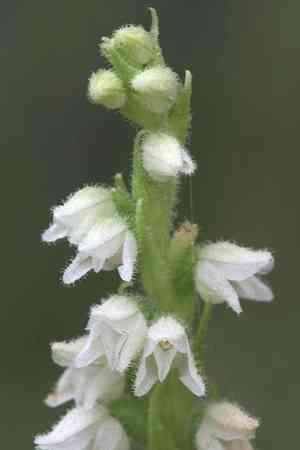
The plant you're describing is likely a species of rattlesnake plantain (Goodyera). These terrestrial orchids feature tiny, sticky hairs and have attractive evergreen leaves arranged in a rosette at the base. Their flowers are generally white, occasionally showing hints of brown or green. Although found globally, many rattlesnake plantain species are considered threatened in their natural environments.
In This Article
Attributes of Rattlesnake plantain (Goodyera)
Lifespan
Perennial
Plant Height
10-50 cm
Spread
N/A
Leaf Color
Green with white or silvery veins
Flower Size
0.5-1 cm
Flower Color
White or greenish
Images of Rattlesnake plantain (Goodyera)
Quickly Identify Rattlesnake plantain (Goodyera)
1
Goodyera can be identified by their basal rosette of leaves with distinctive whitish or silvery venation. The flowers are small, usually white or greenish, and arranged in a spiral on a slender stalk.
Scientific Classification of Rattlesnake plantain (Goodyera)
Phylum
Magnoliophyta
Class
Liliopsida
Order
Asparagales
Family
Orchidaceae
Genus
Goodyera
Planting and Growing of Rattlesnake plantain (Goodyera)
Care Difficulty
Moderate
Watering Schedule
Every 2 days
Sunlight Requirements
Partial sun
Sunshine Duration
6-8 hours
Ideal Temperature
60-75℉
Soil Type
Potting Mix, Peat Mix
Soil pH
5.5-6.8
Fertilizer Type
Balanced
Pruning Season
Spring, Summer
Pruning Area
Branches, Leaves
Pruning Frequency
Once a year
Repotting Season
Spring
Pot Type
Plastic, Terracotta
 How to Water Rattlesnake plantain (Goodyera)?
For Goodyera, watering thoroughly but infrequently is key. Each watering should involve slowly pouring approximately 200 milliliters of water. This ensures the medium is moist but not waterlogged, promoting healthy root systems.
What are the symptoms of an underwatered Rattlesnake plantain (Goodyera)?
›
What should I do if my Rattlesnake plantain (Goodyera) is not getting enough water?
›
What are the symptoms of an overwatered Rattlesnake plantain (Goodyera)?
›
How to save an overwatered Rattlesnake plantain (Goodyera)?
›
 What Are the Sunlight Requirements for Rattlesnake plantain (Goodyera)?
Partial sun or full shade is ideal. This range helps ensure balanced photosynthesis, supporting both growth and health while enhancing leaf variegation.
What is the best lighting condition?
›
How to achieve these conditions?
›
What benefits come from ideal lighting?
›
 What Is the Ideal Temperature Range for Rattlesnake plantain (Goodyera)?
The ideal temperature range for Goodyera typically falls between 60°F and 75°F. These conditions mimic their natural habitat, providing the warmth required for optimal growth and cellular functions. Consistent exposure to this temperature range can encourage healthy leaf production and overall vitality.
 What Soil is Best for Rattlesnake plantain (Goodyera)?
Loam and peat soils are great at retaining moisture without becoming waterlogged, providing Goodyera with the hydration it needs to thrive without risking root rot. A nutrient-rich environment is crucial for Goodyera, and soils like loam and peat are naturally rich in organic matter that feed the plant, enhancing its growth and vigor. Sandy loam provides excellent aeration, preventing soil compaction and allowing oxygen to reach the roots, which is essential for healthy Goodyera development.
 How to Fertilize Rattlesnake plantain (Goodyera)?
The Goodyera genus is known for its delicate requirements, so a balanced liquid fertilizer diluted to half strength should be used. Apply about 1/4 cup of this diluted solution per plant to avoid over-fertilization.
 How to Prune Rattlesnake plantain (Goodyera)?
Begin by assessing the plant for any dead or yellowing leaves, as well as any old flowering stems. Using clean, sharp scissors or pruning shears, carefully trim away these parts. Always cut close to the base of the leaf or stem, making sure not to damage any remaining healthy portions of the plant. In cases where the Goodyera has developed long and unruly stems, trim them back to a tidy height. Cut the stems back to a node, which is a point where new growth or flowers can emerge. Ensure your cutting tool is sterilized to prevent infection or disease transmission.
 How to Propagate Rattlesnake plantain (Goodyera) plant?
1
Gather seeds from mature Goodyera plants, ensuring they are fully ripe for better germination. Clean the seeds and allow them to dry before storing in a cool, dry place until planting.
2
Sow seeds evenly in seed starter trays filled with moistened, sterile potting mix. Lightly cover with a fine layer of soil and mist gently to avoid displacing seeds.
3
For division, carefully dig up mature Goodyera clumps in spring. Gently separate the roots, being careful not to damage delicate root structures, and replant divisions in suitable locations.
 How to Repot Rattlesnake plantain (Goodyera) plant?
1
Goodyera needs repotting when you notice roots crowding the pot or if the mix starts to degrade visibly. Also, when the growth seems stunted or leaves appear discolored, it's time to check the roots and consider repotting. Early signs of mold or unpleasant odor from the potting mix also warrant a repot.
2
Opt for a pot slightly larger in diameter than the current one, with good drainage holes. A breathable material like terracotta can manage moisture and prevent root rot. Coming with a matching saucer can help manage excess water and keep the surfaces clean. Ensure the pot construction can withstand the plant's weight and environmental conditions.
3
Use an orchid mix that includes bark, perlite, and charcoal. This setup ensures adequate aeration and drainage, crucial for preventing root rot. Such a mix resembles the plant's natural habitat, allowing roots to 'breathe' and access necessary moisture and nutrients effectively, promoting healthy growth.

