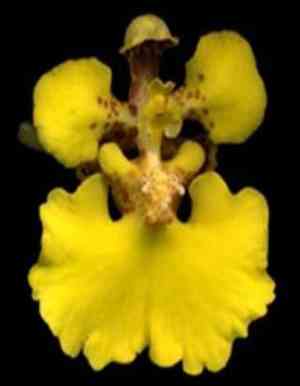
Western rattlesnake plantain (Goodyera oblongifolia)
Also known as: Giant rattlesnake plantain, Menzies' rattlesnake plantain
Western rattlesnake plantain (Goodyera oblongifolia) is a perennial orchid that typically flowers in August, producing clusters of greenish-white blooms. It thrives in shady coniferous forests. The plant's fruit is a dry capsule filled with millions of tiny seeds. White-tailed deer and caribou often feed on it, and bumblebees are attracted for pollination.
In This Article
Attributes of Western rattlesnake plantain
Lifespan
Perennial
Plant Type
Herb
Plant Height
18 cm to 36 cm
Spread
20 cm
Leaf Color
Green Blue White
Flower Size
2.5 cm
Flower Color
White Green Brown
Images of Western rattlesnake plantain
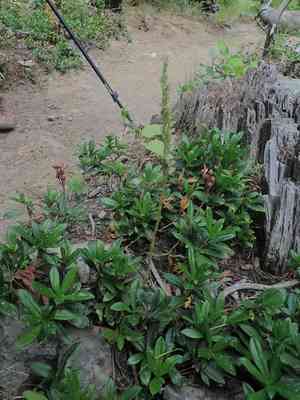
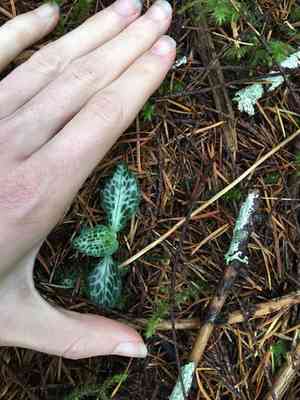
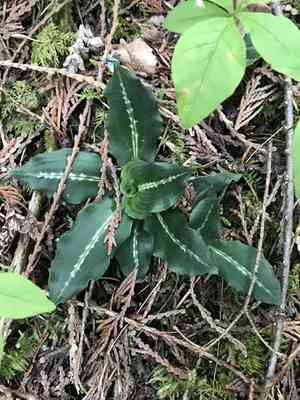
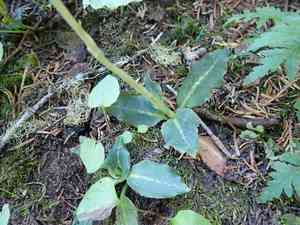
Quickly Identify Western rattlesnake plantain
1
Look for a basal rosette of dark green leaves with distinctive silvery-white veining. In the flowering season, it produces spikes of small white flowers. The leaves remain evergreen, which helps in identification even when the plant is not in bloom.
Scientific Classification of Western rattlesnake plantain
Phylum
Vascular plants
Class
Monocotyledons
Order
Asparagales
Family
Orchid
Genus
Rattlesnake plantain
Species
Western rattlesnake plantain
Planting and Growing of Western rattlesnake plantain
Care Difficulty
Hard
Watering Schedule
Every 4 days
Sunlight Requirements
Partial sun
Sunshine Duration
4-6 hours
Ideal Temperature
60-75℉
Soil Type
Potting Mix, Peat Mix
Soil pH
6.5-7.5
Fertilizer Type
Balanced
Pruning Season
Spring, Summer
Pruning Area
Branches, Leaves
Pruning Frequency
2 times a year
Repotting Season
Spring
Pot Type
Plastic, Ceramic
 How to Water Western rattlesnake plantain?
When watering Goodyera oblongifolia, it is important to moisten the soil evenly, with around 200 milliliters per watering session. The key is to ensure that the soil is neither too dry nor waterlogged, maintaining a slight dampness that can be tested by touching the topsoil. This approach mimics the moist forest environments where this orchid naturally thrives.
What are the symptoms of an underwatered Western rattlesnake plantain?
›
What should I do if my Western rattlesnake plantain is not getting enough water?
›
What are the symptoms of an overwatered Western rattlesnake plantain?
›
How to save an overwatered Western rattlesnake plantain?
›
 What Are the Sunlight Requirements for Western rattlesnake plantain?
For Goodyera oblongifolia, a partially sunlit area that replicates woodland conditions is ideal, helping it maintain its natural growth patterns and leaf coloration. This promotes long-term health and increases its flowering potential.
More About Sunlight Requirements Techniques→
Optimal Conditions
›
Solution for Lighting
›
Effects of Ideal Light
›
 What Is the Ideal Temperature Range for Western rattlesnake plantain?
The ideal temperature range for Goodyera oblongifolia, a species of orchid, is between 60°F and 75°F. This range replicates its native understorey environment, providing sufficient warmth while avoiding stress from excessive heat. Maintaining such temperatures ensures optimal growth and flowering conditions, contributing to the plant’s health.
 What Soil is Best for Western rattlesnake plantain?
Goodyera oblongifolia thrives in soil that retains moisture well but doesn't become waterlogged. Adequate moisture support is beneficial for maintaining the plant's hydration, crucial for its growth and vibrant leaves. This plant prefers a nutrient-rich soil, abundant in organic matter. Such soil supports robust growth, ensuring that the plant receives all essential nutrients for strong root and foliage development. While moisture is important, the soil must also provide excellent drainage. This prevents root rot and promotes a healthy root system, allowing the plant to take up nutrients efficiently.
 How to Fertilize Western rattlesnake plantain?
For Goodyera oblongifolia, fertilizer should be applied sparingly. During the growing season, use a diluted liquid fertilizer with a concentration of 1/4 strength, ensuring that you do not oversaturate the plant's environment. Excessive nutrient concentration can damage the delicate roots.
 How to Prune Western rattlesnake plantain?
Examine the plant for dead or damaged leaves. Use your clean pruning shears to cut these back to the base of the plant. Removing these can improve the overall appearance and health of your Goodyera oblongifolia. Check for excessive growth that might be causing other leaves to be overshadowed. Trim back these sections to allow light and air to penetrate, promoting better overall growth. As the plant grows, it might develop an uneven shape. Prune strategically to encourage a symmetrically balanced shape, enhancing both the aesthetic and health of the plant.
More About Pruning Techniques→
 How to Propagate Western rattlesnake plantain plant?
1
Begin by collecting mature seeds from the plant. Clean them by removing any pulp and debris. Let them dry in a cool, dry place before storing until you're ready to plant.
2
Use a well-draining potting mix, ideally containing equal parts of perlite, sphagnum moss, and fine orchid bark. Moisten the mixture without making it soggy to promote seed germination.
3
Carefully dig out the plant, gently shake off soil from the roots, and use shears to divide the rhizomes. Each section should have roots and a few leaves. Plant divisions into pots with fresh, moist soil.
 How to Repot Western rattlesnake plantain plant?
1
Goodyera oblongifolia, also known as the rattlesnake plantain, doesn't require frequent repotting, but you'll know it's time when you see roots growing out of the pot's drainage holes. This is an indication that the plant has outgrown its current home and needs a roomier container to continue thriving. Repot early in the spring to coincide with its natural growth cycle.
2
Select a pot that is slightly larger than its current one, with adequate drainage holes to prevent water accumulation. A pot that's too big can retain moisture and cause root rot, while a pot that's too small can stunt the plant's growth. Choose a ceramic or clay pot for added stability and optional glazing for aesthetics.
3
For Goodyera oblongifolia, a well-draining orchid mix works best because it mimics the plant’s natural forest floor environment. This type of soil holds the right amount of moisture while allowing excess water to drain away, preventing root rot and allowing sufficient airflow to the roots.



