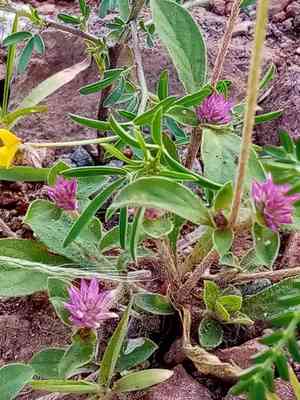
Arrasa con todo (Gomphrena serrata)
Also known as: Prostrate gomphrena
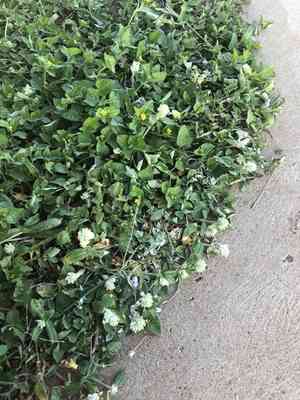
Gomphrena serrata, commonly known as Arrasa con todo, is a low-growing, mound-forming plant native to Central America and the southern United States. It blooms throughout the year and is commonly found in open sandy areas, along roadsides, in dry disturbed sites, lawns, and open woods. This plant is often regarded as a weed.
In This Article
Attributes of Arrasa con todo
Lifespan
Perennial, Annual
Plant Type
Herb
Plant Height
75 cm
Spread
90 cm
Leaf Color
Green
Flower Size
2.5 cm
Flower Color
White Yellow Pink Green Purple
Images of Arrasa con todo
Quickly Identify Arrasa con todo
1
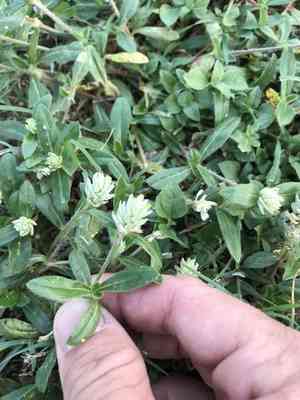
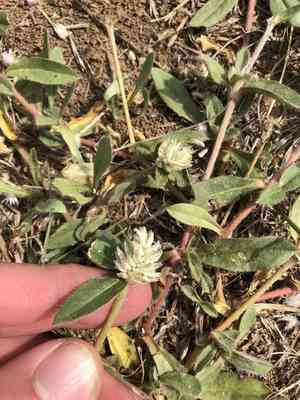
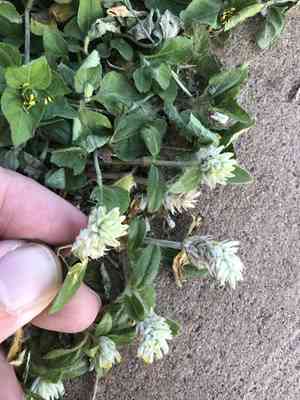
Identification of Gomphrena serrata can be done by noting its small, globular flower heads and opposite, simple leaves. The flowers are densely packed in rounded heads and are papery and dry to touch. The plant\'s leaves are oblong to lanceolate in shape.
Scientific Classification of Arrasa con todo
Phylum
Vascular plants
Class
Dicotyledons
Order
Caryophyllales
Family
Amaranth
Genus
Globe amaranths
Species
Arrasa con todo
Planting and Growing of Arrasa con todo
Care Difficulty
Easy
Watering Schedule
Every 2 days
Sunlight Requirements
Full sun
Sunshine Duration
6-10 hours
Ideal Temperature
70-85℉
Soil Type
Potting Mix, Peat Mix
Soil pH
6-7.5
Fertilizer Type
Balanced
Pruning Season
Spring, Summer
Pruning Area
Branches, Leaves
Pruning Frequency
2 times a year
Repotting Season
Spring
Pot Type
Plastic, Ceramic
 How to Water Arrasa con todo?
For Gomphrena serrata, a moderate amount of water is ideal. This typically means about 150 milliliters per watering. The goal is to moisten the soil without making it soggy. Ensure that water penetrates the soil evenly and allows for proper drainage to maintain healthy roots.
What are the symptoms of an underwatered Arrasa con todo?
›
What should I do if my Arrasa con todo is not getting enough water?
›
What are the symptoms of an overwatered Arrasa con todo?
›
How to save an overwatered Arrasa con todo?
›
 What Are the Sunlight Requirements for Arrasa con todo?
Gomphrena serrata prefers full to partial sun, with an adequate 6 to 8 hours of light ensuring optimal blooming and pigmentation development.
How much light is ideal for Gomphrena serrata?
›
How can we achieve these lighting conditions?
›
What are the benefits of ideal lighting?
›
 What Is the Ideal Temperature Range for Arrasa con todo?
The ideal temperature range for Gomphrena serrata is between 70°F and 85°F. Within this range, the plant thrives and exhibits optimal growth, producing vibrant flowers and healthy foliage. Temperatures within this range ensure adequate metabolic processes and minimize stress factors, leading to a robust plant development.
 What Soil is Best for Arrasa con todo?
Gomphrena serrata thrives in well-draining soil, which helps prevent root rot by allowing excess water to escape quickly. Ensuring good drainage is essential for promoting healthy root growth and overall plant vitality. While it can tolerate poor soil, Gomphrena serrata prefers soil enriched with organic matter. This provides essential nutrients, resulting in more vigorous growth and brighter blooms. This plant requires moderate moisture levels in the soil. Consistent watering without waterlogging keeps the plant hydrated and supports sustained flowering throughout the growing season.
 How to Fertilize Arrasa con todo?
For Gomphrena serrata, use a balanced liquid fertilizer diluted to half strength. A typical concentration would be 10 ml of liquid fertilizer per liter of water. Avoid high concentrations to prevent root burn.
 How to Prune Arrasa con todo?
Begin by removing spent or wilting flowers to encourage more blooms. Pinch or snip the flower stems back to a set of leaves or a new bud. This simple action not only beautifies the plant but also channels energy into new growth. If your Gomphrena serrata becomes leggy, trim the stems back by up to one-third of their length. Target areas where branching is sparse to stimulate a fuller, more rounded shape. This encourages lateral growth and prevents the plant from looking sparse. To maintain a compact and aesthetically pleasing form, regularly shape the plant, cutting back any wayward or excessively long branches. Focus on maintaining symmetry and clearing the center for good air circulation, helping prevent fungal diseases.
 How to Propagate Arrasa con todo plant?
1
Collect seeds from mature Gomphrena serrata flowers when they have fully dried. Gently shake the flower heads over a paper or container to release the seeds, ensuring they are dry to avoid mold.
2
Sow the collected seeds in a tray filled with well-draining potting mix. Cover them lightly with soil, and keep the soil consistently moist but not waterlogged. Position the tray in a bright area away from direct sunlight.
3
Select healthy stems from Gomphrena serrata for cuttings. Use sterilized pruning shears to cut 4- to 6-inch sections. Remove the lower leaves and dip the cut ends into rooting hormone to promote root development before planting in potting mix.
 How to Repot Arrasa con todo plant?
1
Repotting Gomphrena serrata is best signaled when you observe roots protruding from drainage holes or if its growth seems stunted despite proper conditions. This typically indicates that the existing pot has become too cramped for the plant's root system. Repotting during spring or summer allows the plant ample time to recover and adjust to its new pot before the dormant months.
2
Selecting the right pot for Gomphrena serrata is crucial. Opt for a pot that's one size larger than the current one, with adequate drainage holes to prevent waterlogging. This choice ensures that there's enough room for root expansion, while the drainage holes keep the roots dry and healthy, reducing the risk of root rot.
3
Use a well-draining potting mix to ensure the roots receive enough oxygen and nutrients without sitting in water. Such a soil mix is typically light, often containing materials like perlite or sand, which are excellent for drainage. They provide a balanced environment, promoting healthy root growth and vibrant plant development.
Learn More About Arrasa con todo Diseases
Anthracnose
Bacterial Leaf Spot
Bacterial Soft Rot
Bacterial Wilt
Black Spot
Chemical Injury
Damping-off
Downy Mildew
Drought Stress
Fusarium Wilt
Gray Mold
Leaf Spot
Mosaic
Nutrient Deficiency
Nutrient Toxicity
Powdery Mildew
Root Rot
Root-knot Nematode
Rusts
Sooty Mold
Spider Mites
Temperature Stress
Thrips Damage
White Mold


