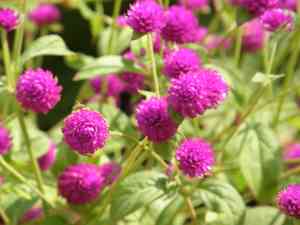
Common globe amaranth (Gomphrena globosa)
Also known as: Globe Flower, Globe amaranth, Makhmali, Thousand Day Red
Common globe amaranth (Gomphrena globosa), also known as makhmali or vadamalli, is a flowering plant native to Central America. It is widely grown for its vibrant hues, making it a favorite in landscaping and garden design. In Hawaii, its colorful blooms are often used to create leis. This plant is also known for attracting pollinators such as butterflies and bees, contributing to a healthy ecosystem. Additionally, the flowers are edible and are sometimes used in teas and traditional remedies.
In This Article
Attributes of Common globe amaranth
Lifespan
Annual
Plant Type
Herb
Plant Height
20 cm to 60 cm
Spread
15 cm to 30 cm
Leaf Color
Green
Flower Size
2 cm to 3 cm
Flower Color
White Purple Pink Red Orange Yellow Violet
Images of Common globe amaranth
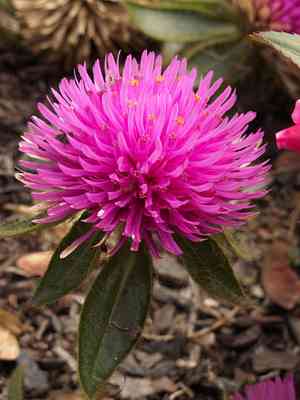
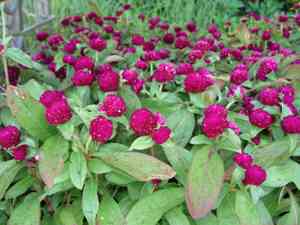
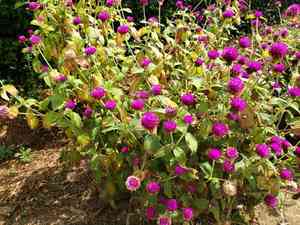
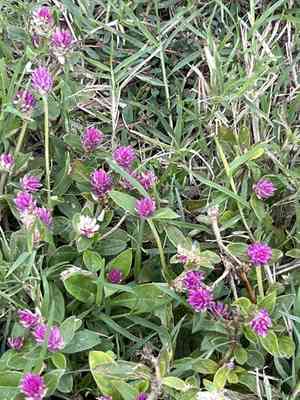
Quickly Identify Common globe amaranth
1
Opposite oblong leaves, woolly-white to green transition, 0.8-5 inches (2-13 cm).
2
Clover-like flower heads, 1 inch (2.5 cm), pink, purple, white, and red hues.
3
Erect, stout stem with grey strigose hairs, bushy branching, robust structure.
4
Tiny white to yellow flowers in globose heads, bracts with acuminate tips.
5
Closed utricle fruit, shiny reddish-brown kidney-shaped seed with protective coating.
Scientific Classification of Common globe amaranth
Phylum
Vascular plants
Class
Dicotyledons
Order
Pinks, cacti, and allies
Family
Amaranth
Genus
Globe amaranths
Species
Common globe amaranth
Planting and Growing of Common globe amaranth
Care Difficulty
Easy
Watering Schedule
Every 4 days
Sunlight Requirements
Full sun
Sunshine Duration
4-6 hours
Ideal Temperature
70-85℉
Soil Type
Potting Mix, Peat Mix
Soil pH
6.5-7.5
Fertilizer Type
Balanced
Pruning Season
Spring, Summer
Pruning Area
Leaves, Branches
Pruning Frequency
2 times a year
Repotting Season
Spring
Pot Type
Plastic, Ceramic
 How to Water Common globe amaranth?
For Gomphrena globosa, ensure you water the plant deeply but infrequently. Each watering session should aim to soak the soil thoroughly, allowing the water to reach the root zone. Typically, 250ml per watering session is adequate, ensuring proper hydration without causing waterlogging.
More About Watering Techniques→
What are the symptoms of an underwatered Common globe amaranth?
›
What should I do if my Common globe amaranth is not getting enough water?
›
What are the symptoms of an overwatered Common globe amaranth?
›
How to save an overwatered Common globe amaranth?
›
 What Are the Sunlight Requirements for Common globe amaranth?
Gomphrena globosa thrives under full sun conditions. Ideal light conditions promote healthy foliage, abundant flowering, and prevent issues like leggy growth and poor blooming.
More About Sunlight Requirements Techniques→
What is Gomphrena globosa's preferred lighting condition?
›
What solutions ensure Gomphrena globosa receives optimal light?
›
What benefits does Gomphrena globosa gain from ideal lighting?
›
 What Is the Ideal Temperature Range for Common globe amaranth?
For optimal growth, Gomphrena globosa thrives in an environment where the temperature ranges between 70°F and 85°F. This range ensures that the plant can perform photosynthesis efficiently and maintain robust growth. Temperatures within this range also promote strong flowering, which is a key characteristic of this species.
 What Soil is Best for Common globe amaranth?
Gomphrena globosa thrives in well-draining soil, which helps prevent root rot by allowing excess water to drain away swiftly. This promotes healthy growth and vibrant blooms, ensuring your plants remain robust throughout the growing season. A light, aerated soil texture supports root growth by allowing roots to penetrate easily and access nutrients efficiently. This enhances the plant's ability to establish itself and sustain its growth, leading to a more resilient Gomphrena globosa. This plant prefers soil with moderate fertility, supplying essential nutrients without the risk of over-fertilization. This balance encourages steady growth and abundant flowering, while also minimizing the risk of pest problems associated with overly nutrient-rich soils.
More About Soil→
 How to Fertilize Common globe amaranth?
Gomphrena globosa thrives on a balanced nutrient supply. Use liquid fertilizers at half the recommended strength to avoid over-fertilization. For slow-release granules, use about 2 tablespoons per plant per application in the spring.
More About Fertilizing Techniques→
 How to Prune Common globe amaranth?
Start by removing spent flowers. Hold the flower stem and cut just above the first set of leaves below the bloom. This process, known as deadheading, promotes more blooms and maintains the plant’s attractive appearance. Trim the plant back by a third to maintain its shape and encourage bushier growth. Focus on cutting back any overgrown or leggy stems. Cut above a leaf node to stimulate new branching, which will result in a fuller plant. Remove any yellowing or damaged leaves to keep the plant healthy and looking its best. Clearing away dead or diseased foliage decreases the chance of pests and diseases, fostering a thriving environment for your Gomphrena globosa.
More About Pruning Techniques→
 How to Propagate Common globe amaranth plant?
1
Begin by obtaining healthy Gomphrena globosa seeds. Soak them in water for 24 hours to soften the seed coat, which can enhance germination rates. After soaking, plant them in seed trays filled with a well-draining, sterile potting mix. Cover lightly with soil and water thoroughly.
2
Select a healthy mother plant and cut a 4-6 inch section from a non-flowering shoot. The cut should be just below a node, where leaf meets stem. Remove the lower leaves to prevent rot and treat the cut end with rooting hormone to encourage faster root formation.
3
Fill small pots with a well-draining potting mix and insert the cutting about halfway into the soil. Water lightly to settle the soil around the cutting, ensuring it remains upright. Place the pots in a warm, bright area but out of direct sunlight to reduce stress.
 How to Repot Common globe amaranth plant?
1
Repot your Gomphrena globosa when you notice roots emerging from the drainage holes, indicating the plant is becoming root-bound. Also, if growth slows significantly or the potting mix seems compacted, it's time for a change. Aim to repot during the growing seasons to minimize stress, preferably in spring or summer when the plant is actively growing.
2
Select a pot that is one or two sizes larger than the current one, with ample drainage holes at the base. The extra space will allow roots to expand, while good drainage prevents waterlogged roots and promotes healthy growth. A clay pot can be beneficial as it helps wick moisture away, but a lightweight plastic pot is also suitable for ease of handling.
3
Choose a well-draining, sandy soil mix to prevent root rot and provide aeration. A mix designed for cacti or succulents works well, as Gomphrena globosa thrives in loose, dry conditions. This type of soil encourages strong, robust root systems and mimics their natural growth environment.



