
Rose-Painted Calathea (Goeppertia roseopicta)
Also known as: Calathea
The **Dumb Cane** (Dieffenbachia) is a popular houseplant native to Central America. When grown in optimal conditions, this plant can produce striking cream-colored flower cones.
In This Article
Attributes of Rose-Painted Calathea
Lifespan
Perennial
Plant Type
Herb
Plant Height
30 cm to 61 cm
Spread
60 cm
Leaf Color
Green Variegated
Flower Size
2.5 cm
Flower Color
White Purple
Images of Rose-Painted Calathea
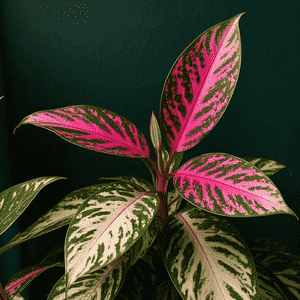


Quickly Identify Rose-Painted Calathea
1
The plant can be identified by its large, ovate leaves with striking patterns. The upper surface of the leaves has vivid pink or red markings, while the underside is typically in shades of deep purple or burgundy.
Scientific Classification of Rose-Painted Calathea
Phylum
Vascular plants
Class
Monocotyledons
Order
Gingers, bananas, and allies
Family
Arrowroot
Genus
Calatheas
Species
Rose-Painted Calathea
Planting and Growing of Rose-Painted Calathea
Care Difficulty
Hard
Watering Schedule
Every 8 days
Sunlight Requirements
Partial sun
Sunshine Duration
4-8 hours
Ideal Temperature
65-75℉
Soil Type
Potting Mix, Peat Mix
Soil pH
6-7
Fertilizer Type
Balanced
Pruning Season
Spring, Summer
Pruning Area
Branches, Leaves
Pruning Frequency
2 times a year
Repotting Season
Spring
Pot Type
Plastic, Ceramic
 How to Water Rose-Painted Calathea?
Goeppertia roseopicta thrives when its soil is kept consistently moist but not waterlogged. A good rule of thumb is to provide water until you see it beginning to drain from the pot's bottom. About 500 ml is generally appropriate, depending on pot size and soil composition.
More About Watering Techniques→
What are the symptoms of an underwatered Rose-Painted Calathea?
›
What should I do if my Rose-Painted Calathea is not getting enough water?
›
What are the symptoms of an overwatered Rose-Painted Calathea?
›
How to save an overwatered Rose-Painted Calathea?
›
 What Are the Sunlight Requirements for Rose-Painted Calathea?
Partial sun, preferably 2 to 4 hours, provides the best balance between energy absorption and leaf protection, enhancing the plant's vibrant colors and robust growth.
More About Sunlight Requirements Techniques→
What is the best lighting condition for Goeppertia roseopicta?
›
How can I provide ideal lighting for Goeppertia roseopicta?
›
What are the benefits of providing ideal lighting?
›
 What Is the Ideal Temperature Range for Rose-Painted Calathea?
What is the ideal temperature range for Goeppertia roseopicta? The plant thrives best in temperatures between 65°F and 75°F. This range mimics its natural habitat, providing warmth without excessive heat. It is critical for optimal growth and vibrant foliage.
 What Soil is Best for Rose-Painted Calathea?
Goeppertia roseopicta requires a soil that is good at retaining moisture without becoming waterlogged. The loam soil is ideal due to its perfect balance of moisture retention and drainage, which helps maintain the plant's hydration needs. This plant thrives in nutrient-rich soils. Using a peat-based soil mix can provide the necessary nutrients that support its vibrant foliage and healthy growth. Regular fertilization also boosts nutrient levels, benefiting the overall plant vitality. An aerated soil structure is crucial for Goeppertia roseopicta to thrive, as it ensures good airflow to the roots. Aeration prevents root rot and other infections, maintaining the plant's overall health.
More About Soil→
 How to Fertilize Rose-Painted Calathea?
For Goeppertia roseopicta, it's crucial to apply a balanced fertilizer at half strength. This helps to avoid over-fertilizing, which can lead to root burn. An optimal amount would be around 1/4 teaspoon per gallon of water, ensuring the plant receives nutrients without excess concentration.
More About Fertilizing Techniques→
 How to Prune Rose-Painted Calathea?
Begin by inspecting the plant thoroughly. Look for any leaves that are diseased, discolored, or simply past their prime. These should be the primary targets for your pruning. When making cuts, do so just above a leaf node. This encourages new growth at these points. Avoid cutting too close, as this might damage the node and impede growth. Once pruning is complete, keep an eye on the plant for any signs of stress or dehydration. Adjust watering accordingly, ensuring the soil remains evenly moist but not waterlogged.
More About Pruning Techniques→
 How to Propagate Rose-Painted Calathea plant?
1
Choose a robust parent plant with multiple stems or rhizomes. Ensure the plant shows no signs of disease or pest infestation, which could affect the success of propagation.
2
Gently remove the plant from its pot and shake off excess soil. With clean tools, divide the plant's roots and rhizomes into sections, ensuring each section has at least one healthy stem and sufficient roots.
3
Plant each division in a well-draining potting medium suitable for Goeppertia roseopicta. Water the new plants lightly to help them establish and place them in a location with high humidity and indirect light.
 How to Repot Rose-Painted Calathea plant?
1
Keep an eye out for roots growing through the drainage holes, soil that dries out very quickly, or stunted growth, as these are signals your Goeppertia roseopicta needs a new pot. Spring and summer are the best times to repot when the plant is in its growth phase.
2
Select a pot that is one size larger than the current one, with sufficient drainage holes to prevent waterlogging. The right pot ensures ample space for root growth, helping the plant to thrive and reducing the risk of root rot.
3
Opt for a well-draining potting mix that retains some moisture but doesn’t stay soggy. A mix that includes peat moss, perlite, or coarse sand helps maintain the moisture balance crucial for the plant's health and prevents root problems.



