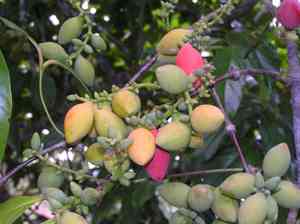
Gnetum (Gnetum) (Gnetum)
Also known as: Gnetum gnemon, Melinjo
Gnetum includes tropical evergreen trees, shrubs, and woody vines (lianas).
In This Article
Attributes of Gnetum (Gnetum)
Lifespan
Perennial
Plant Height
1 to 3 meters for shrubs; vines can grow several meters long
Spread
Varies; not typically measured in vines
Leaf Color
Dark green
Flower Size
N/A (Produces cones)
Flower Color
N/A (Produces cones)
Images of Gnetum (Gnetum)
Quickly Identify Gnetum (Gnetum)
1
Gnetum can be identified by its evergreen leaves, which are opposite and leathery. The leaves have a characteristic net-veined structure, and the plants produce cones rather than flowers.
Scientific Classification of Gnetum (Gnetum)
Phylum
Gnetophyta
Class
Gnetopsida
Order
Gnetales
Family
Gnetaceae
Genus
Gnetum
Planting and Growing of Gnetum (Gnetum)
Care Difficulty
Moderate
Watering Schedule
Every 2 days
Sunlight Requirements
Partial sun
Sunshine Duration
4-8 hours
Ideal Temperature
65-80℉
Soil Type
Potting Mix, Peat Mix
Soil pH
6.5-7.5
Fertilizer Type
Balanced
Pruning Season
Spring, Summer
Pruning Area
Branches, Leaves
Pruning Frequency
2 times a year
Repotting Season
Spring
Pot Type
Plastic, Ceramic
 How to Water Gnetum (Gnetum)?
When watering Gnetum, aim to saturate the soil thoroughly, allowing the water to reach the root zone but ensuring excess doesn't pool at the bottom. Consider the plant’s natural habitat—typically moist yet well-drained forest floors—and simulate this condition by balancing moisture and drainage.
What are the symptoms of an underwatered Gnetum (Gnetum)?
›
What should I do if my Gnetum (Gnetum) is not getting enough water?
›
What are the symptoms of an overwatered Gnetum (Gnetum)?
›
How to save an overwatered Gnetum (Gnetum)?
›
 What Are the Sunlight Requirements for Gnetum (Gnetum)?
Partial sun, ideally receiving morning light and some afternoon shade, ensures Gnetum grows robustly with healthy, vibrant foliage. This light balance prevents stress from overexposure.
What is the ideal light condition for Gnetum?
›
How can I achieve ideal lighting for Gnetum?
›
What benefits result from providing ideal light conditions for Gnetum?
›
 What Is the Ideal Temperature Range for Gnetum (Gnetum)?
The ideal temperature range for Gnetum plants is between 65°F and 80°F. This range provides optimal conditions for growth, photosynthesis, and metabolic activities. Maintaining temperatures within this range ensures healthy foliage and robust development.
 What Soil is Best for Gnetum (Gnetum)?
Gnetum thrives in nutrient-rich soil that is well-balanced, providing essential minerals that foster strong growth and vibrant foliage, ensuring the plant’s overall health. Having well-draining soil is crucial for Gnetum, as this prevents root rot by avoiding water stagnation, which can damage the plant roots and hinder its development. Gnetum benefits from soil that retains adequate moisture but doesn't become waterlogged, helping maintain the right environment for steady growth and leaf vitality.
 How to Fertilize Gnetum (Gnetum)?
Gnetum plants prefer a balanced approach to fertilization. Use a liquid fertilizer diluted to half strength, around 20-20-20 NPK ratio, and apply evenly to avoid over-concentration. Solid, slow-release fertilizers should be used sparingly, ensuring not to exceed label recommendations.
 How to Prune Gnetum (Gnetum)?
Look for branches that are crossing, dead, or diseased; also consider trimming those that disrupt the desired shape of the plant. Removing unwanted branches strengthens the core and allows better air circulation. Cut at a 45-degree angle just above a leaf node or bud. This method prevents water from accumulating on the cut surface, reducing the likelihood of fungal infections and promoting faster healing. Start by removing dead or damaged branches. 2) Proceed with thinning out crowded areas to enhance airflow. 3) Finally, shape the plant by trimming for aesthetics and balance, ensuring overall harmonious growth.
 How to Propagate Gnetum (Gnetum) plant?
1
Choose ripe seeds from a mature Gnetum plant. Ensure they are free from damage or disease. This initial step is crucial as the health of the seed directly impacts the success of germination.
2
Use a well-draining soil mix rich in organic matter. The medium should support good aeration and moisture retention. Proper preparation ensures optimal conditions for seed or cutting development.
3
Plant seeds just below the surface of the soil and firm down gently. For cuttings, insert them into the soil at a slight angle to promote root growth. Proper planting depth and spacing are essential for development.
 How to Repot Gnetum (Gnetum) plant?
1
Gnetum needs repotting when roots start circling the pot or growth appears stunted. This typically happens every couple of years. Look for new growth signs or yellowing leaves, which might indicate root congestion.
2
Select a pot that is 2 inches larger in diameter than the current one, with drainage holes. This ensures adequate space for roots to expand without waterlogging, helping to prevent root rot and promote healthy growth.
3
Opt for a well-draining potting mix that combines equal parts peat moss, perlite, and pine bark. This mix retains moisture without becoming waterlogged, offering essential nutrients while allowing excellent root aeration.
Learn More About Gnetum (Gnetum) Diseases
Anthracnose
Bacterial Leaf Spot
Bacterial Soft Rot
Bacterial Wilt
Black Spot
Chemical Injury
Crown Gall
Cyst Nematode
Damping-off
Downy Mildew
Drought Stress
Fusarium Wilt
Gray Mold
Leaf Curl
Leaf Spot
Mosaic
Nutrient Deficiency
Nutrient Toxicity
Powdery Mildew
Root Rot
Root-knot Nematode
Rusts
Sooty Mold
Spider Mites
Temperature Stress
Thrips Damage
White Mold

