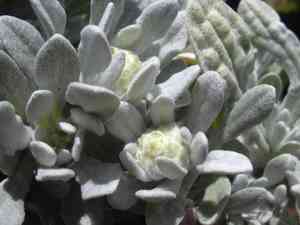
Cudweeds (Gnaphalium) (Gnaphalium)
Also known as: Cudweed, Everlasting, Rabbit-tobacco
Thistles are a group of widely distributed plants known for their hairy and often woolly parts. They can be either annual or perennial and typically have spiny leaves and stems. Many thistle species are crucial for the larvae of the Painted Lady Butterfly, providing a key food source.
In This Article
Attributes of Cudweeds (Gnaphalium)
Lifespan
Perennial
Plant Height
15-60 cm
Spread
N/A
Leaf Color
Grayish-green
Flower Size
0.5-1 cm
Flower Color
White or yellowish
Images of Cudweeds (Gnaphalium)
Quickly Identify Cudweeds (Gnaphalium)
1
Gnaphalium can be identified by their hairy or woolly leaves, small and inconspicuous flowers, and their tendency to grow in clusters. The leaves are usually grayish-green in color.
Scientific Classification of Cudweeds (Gnaphalium)
Phylum
Tracheophyta
Class
Magnoliopsida
Order
Asterales
Family
Asteraceae
Genus
Gnaphalium
Planting and Growing of Cudweeds (Gnaphalium)
Care Difficulty
Easy
Watering Schedule
Every 2 days
Sunlight Requirements
Full sun
Sunshine Duration
4-8 hours
Ideal Temperature
65-75℉
Soil Type
Potting Mix, Peat Mix
Soil pH
6-8
Fertilizer Type
Balanced
Pruning Season
Spring, Summer
Pruning Area
Branches, Leaves
Pruning Frequency
2 times a year
Repotting Season
Spring
Pot Type
Plastic, Ceramic
 How to Water Cudweeds (Gnaphalium)?
Gnaphalium, commonly known as cudweed, prefers a measured watering approach. The soil should be evenly moist but never soaked, aiming for about 150 ml of water each time to prevent waterlogging and encourage healthy growth.
What are the symptoms of an underwatered Cudweeds (Gnaphalium)?
›
What should I do if my Cudweeds (Gnaphalium) is not getting enough water?
›
What are the symptoms of an overwatered Cudweeds (Gnaphalium)?
›
How to save an overwatered Cudweeds (Gnaphalium)?
›
 What Are the Sunlight Requirements for Cudweeds (Gnaphalium)?
Gnaphalium prefers full to partial sun, enjoying the benefits of robust photosynthesis, leading to better foliage density and growth. Ideal lighting fosters strong stems and vibrant leaf color.
Optimal Sunlight Duration
›
Balancing Sun Intensity
›
Ensuring Adequate Light
›
 What Is the Ideal Temperature Range for Cudweeds (Gnaphalium)?
The ideal temperature range for Gnaphalium is between 65°F and 75°F. This range provides optimal conditions for photosynthesis and metabolism. Having consistent temperatures within this range helps to ensure healthy growth, vibrant foliage, and successful reproduction.
 What Soil is Best for Cudweeds (Gnaphalium)?
Gnaphalium thrives in well-drained soil, which helps prevent root rot by ensuring that water does not pool around the roots. This requirement is essential as it emulates the plant's natural habitat, leading to robust growth and reduced stress. A soil rich in organic matter but not overly fertile is ideal. The plant benefits from a balance that supports growth without leading to spindly, weak structures typical in overly rich soils. Gnaphalium is adapted to slightly dry soil conditions, which can enhance its drought resistance. This tolerance reduces the need for frequent watering, thus conserving resources and time for gardeners.
 How to Fertilize Cudweeds (Gnaphalium)?
For Gnaphalium, a balanced and light hand with fertilizer is essential. Use a liquid fertilizer with an N-P-K ratio of 10-10-10, diluted to half strength, about 100 ml per plant. This ensures that the plants receive nourishment without risk of burning the roots.
 How to Prune Cudweeds (Gnaphalium)?
Begin pruning by identifying and removing any dead or wilting stems. This allows the plant to focus its energy on healthy growth. Cut these stems at the base using sharp, sterilized scissors to prevent disease spread. To achieve a bushy appearance, trim the tips of the outer branches. This encourages lateral growth. Consider removing branches that excessively cross over each other to avoid tangling and to improve light penetration.
 How to Propagate Cudweeds (Gnaphalium) plant?
1
Prepare sterile seed trays filled with a well-draining potting mix. Scatter seeds evenly and cover them lightly with soil. Keep the trays in a warm location with indirect sunlight and maintain moisture through gentle watering.
2
Select healthy, non-flowering shoots for cuttings. Use sharp pruning shears to cut a segment about 4-6 inches long. Remove the lower leaves, leaving a couple of leaves at the top, and dip the cut end into rooting hormone before planting in potting mix.
3
When dividing mature Gnaphalium plants, carefully dig up the plant and gently separate the root clumps. Ensure each division has a section of roots and shoots before replanting them in suitable locations with fresh soil.
 How to Repot Cudweeds (Gnaphalium) plant?
1
Repotting Gnaphalium becomes necessary when you notice roots growing out of the drainage holes or the plant seems too large for its pot. Another signal is if the plant's growth has noticeably slowed despite favorable conditions. These are clear signs it's time for a change.
2
Choose a pot that's only slightly larger than the current one, with good drainage holes. This choice prevents overwatering and allows roots to expand gradually. A terracotta pot is ideal as it allows moisture and air exchange, which benefits Gnaphalium's root health.
3
Opt for a well-draining, sandy soil mix to prevent waterlogging. Such soil mimics the plant's natural habitat, ensuring it thrives by facilitating proper air circulation to the roots and allowing excess water to drain efficiently, preventing root rot.
Learn More About Cudweeds (Gnaphalium) Diseases
Anthracnose
Bacterial Leaf Spot
Bacterial Soft Rot
Bacterial Wilt
Chemical Injury
Damping-off
Downy Mildew
Drought Stress
Fusarium Wilt
Gray Mold
Leaf Spot
Mosaic
Nutrient Deficiency
Nutrient Toxicity
Powdery Mildew
Root Rot
Root-knot Nematode
Rusts
Sooty Mold
Spider Mites
Temperature Stress
Thrips Damage
White Mold

