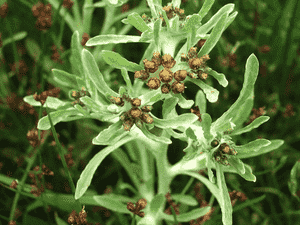
Marsh Cudweed (Gnaphalium uliginosum)
Also known as: Low Cudweed, Mud Cudweed, Cudweed
Common chickweed (Stellaria media) is a small annual wildflower. Originally from Europe, it has spread to North America, where it is now considered an invasive and noxious weed. This plant can quickly dominate native vegetation in various habitats, including gardens and agricultural fields. Additionally, some farmers incorporate common chickweed into the diets of dairy cows to help improve their digestion.
In This Article
Attributes of Marsh Cudweed
Lifespan
Annual
Plant Type
Herb
Plant Height
2.5 cm to 25 cm
Spread
20 cm
Leaf Color
Green Blue
Flower Size
3 mm to 4 mm
Flower Color
White Yellow
Images of Marsh Cudweed
Quickly Identify Marsh Cudweed
1
Identify this plant by its small, woolly, grayish-green leaves that are alternate and sessile. The flower heads are tiny, yellowish, and clustered.
Scientific Classification of Marsh Cudweed
Phylum
Vascular plants
Class
Dicotyledons
Order
Asterales
Family
Daisy
Genus
Cudweeds
Species
Marsh Cudweed
Planting and Growing of Marsh Cudweed
Care Difficulty
Easy
Watering Schedule
Every 3 days
Sunlight Requirements
Full sun
Sunshine Duration
4-8 hours
Ideal Temperature
60-75℉
Soil Type
Potting Mix, Peat Mix
Soil pH
5.5-7
Fertilizer Type
Balanced
Pruning Season
Spring, Summer
Pruning Area
Branches, Leaves
Pruning Frequency
2 times a year
Repotting Season
Spring
Pot Type
Ceramic, Plastic
 How to Water Marsh Cudweed?
Gnaphalium uliginosum prefers soil that is consistently moist but not waterlogged. It's ideal to provide around 200ml of water per watering to ensure the soil remains damp without pooling at the bottom. This balance helps in maintaining its natural habitat-like environment, ensuring healthy growth.
What are the symptoms of an underwatered Marsh Cudweed?
›
What should I do if my Marsh Cudweed is not getting enough water?
›
What are the symptoms of an overwatered Marsh Cudweed?
›
How to save an overwatered Marsh Cudweed?
›
 What Are the Sunlight Requirements for Marsh Cudweed?
Gnaphalium uliginosum does well in full sun to partial sun, with around four to six hours of sunlight daily. Ideal lighting promotes vigorous growth and flowering.
What is the best amount of sunlight for Gnaphalium uliginosum?
›
How can I ensure my Gnaphalium uliginosum gets ideal sunlight?
›
What benefits will the right amount of light provide?
›
 What Is the Ideal Temperature Range for Marsh Cudweed?
The optimal temperature range for growing Gnaphalium uliginosum is between 60°F and 75°F. This range provides the plant with adequate warmth without causing heat stress, promoting healthy growth and development. It's important to maintain consistent temperatures within this range to ensure the plant's metabolic processes function efficiently.
 What Soil is Best for Marsh Cudweed?
Gnaphalium uliginosum thrives in soils that retain a moderate amount of moisture. Adequate moisture is crucial for the plant’s growth as it mimics its natural habitat, allowing for better root development and nutrient uptake. The plant requires a soil environment that is rich in organic matter. The availability of essential nutrients facilitates robust foliage and flower development, crucial for the plant's lifecycle. While moisture is important, excessive water retention can be detrimental. Well-draining soils prevent root rot and ensure that the plant does not suffer from waterlogging, promoting healthier growth.
 How to Fertilize Marsh Cudweed?
For Gnaphalium uliginosum, using a balanced fertilizer at a quarter of the recommended amount is sufficient. This plant is relatively undemanding, so over-fertilization must be avoided to prevent damage.
 How to Prune Marsh Cudweed?
When you prune Gnaphalium uliginosum, always make your cuts just above a leaf node. This encourages new growth from the node, leading to a fuller, healthier plant over time. Trim back excessive growth to manage the plant's size and shape. This kind of pruning should focus on the oldest and least productive stems, ensuring the core of the plant receives ample sunlight and air.
 How to Propagate Marsh Cudweed plant?
1
Fill seed trays with potting soil, ensuring it's lightly packed and even. Water the soil so it is moist but not saturated, which helps seeds stick and absorb moisture for germination.
2
Scatter Gnaphalium uliginosum seeds thinly over the surface of the soil. Cover lightly with a thin layer of potting soil, as they require light to germinate. Make sure the layer is not too dense to block light.
3
Cover the seed trays with a plastic lid or wrap to retain moisture. Place trays in a warm spot with indirect sunlight. Check regularly to ensure the soil remains moist but not waterlogged.
 How to Repot Marsh Cudweed plant?
1
Look for signs like roots growing out of the drainage holes or a noticeable lack of growth during the growing season. These indicate that Gnaphalium uliginosum needs a larger space to flourish.
2
Select a pot that is slightly larger than the current one with ample drainage holes. This prevents root rot and ensures the plant has sufficient space to expand.
3
Opt for a sandy loam that allows for excellent drainage and aeration. This type of soil mimics the plant's natural habitat, ensuring healthy growth and reducing the risk of waterlogged roots.


